

The cold doesn’t knock—it just slips in, stealing the comfort of the patio, the workshop, the quiet corners of the house. When the air starts biting, you don’t need a heater that just sits there. You need one that senses, adjusts, and puts warmth where you actually feel it. That’s what we set out to deliver with the 2026 smart infrared electric heater.
What’s going on under the hood
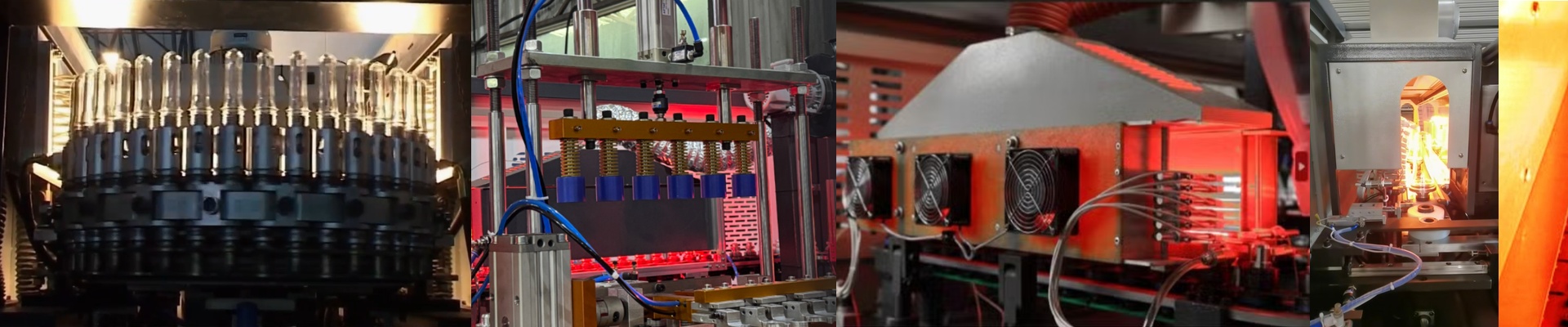
We built this around radiant infrared heat, running a carbon fiber element inside a quartz tube. It throws fast, directional warmth that hits people and surfaces first—instead of trying to heat all the air around you. The result is an electric heater that feels immediate, not distant.
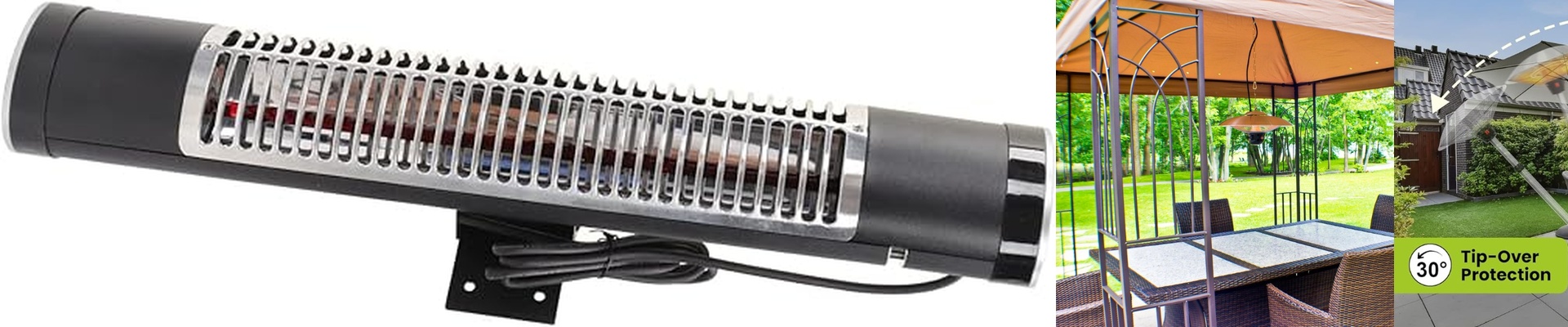
It runs on standard household voltage, pulls a precise draw, and pairs a built-in thermostat with an environment-adaptive sensor that reads ambient conditions and smooths output on the fly. For outdoor use, the housing is rated high for rain and dust—IP rating done right. Safety is baked in: tip-over protection kills the unit if it gets bumped, and the exterior stays cool enough to touch near the front grille.
Why this approach fits real spaces
Outdoor living has one consistent headache: uneven warmth and lag. You wait, the evening slips away. This smart infrared heater reacts to temperature shifts and airflow, so comfort arrives sooner and holds steady as the night cools. You get a more consistent patio feel—without the harsh blast of a fan heater or the noise of a combustion unit.
Indoors, the same adaptive control avoids that dry, overheated air that makes you reach for a blanket. The radiant warmth supports better circulation and helps muscles relax, whether you’re hosting friends or just reading in a chilly corner.
What to keep in mind
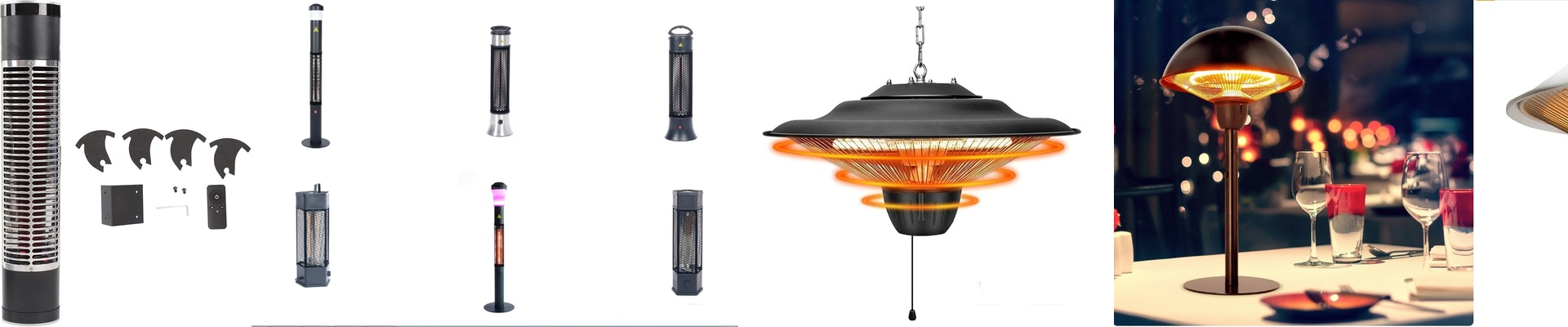
Infrared is directional, so placement matters. Mount or position the heater to cover the main seating area, and keep it high enough to avoid glare. It’s designed for covered outdoor spaces; even with a strong IP rating, direct heavy rain or snow exposure is a no.
Installation is straightforward, but it has to be on a properly rated circuit. If you plan to run multiple units, check your panel capacity and stick to dedicated outlets.