
Why Low Heat Inertia Infrared Heaters Are the Secret Weapon in Smart, Energy-Smart Homes
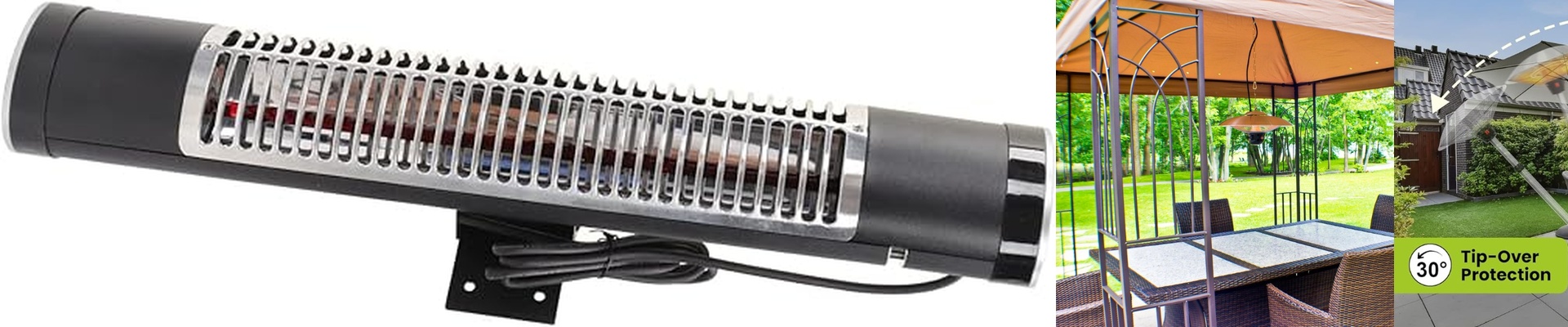
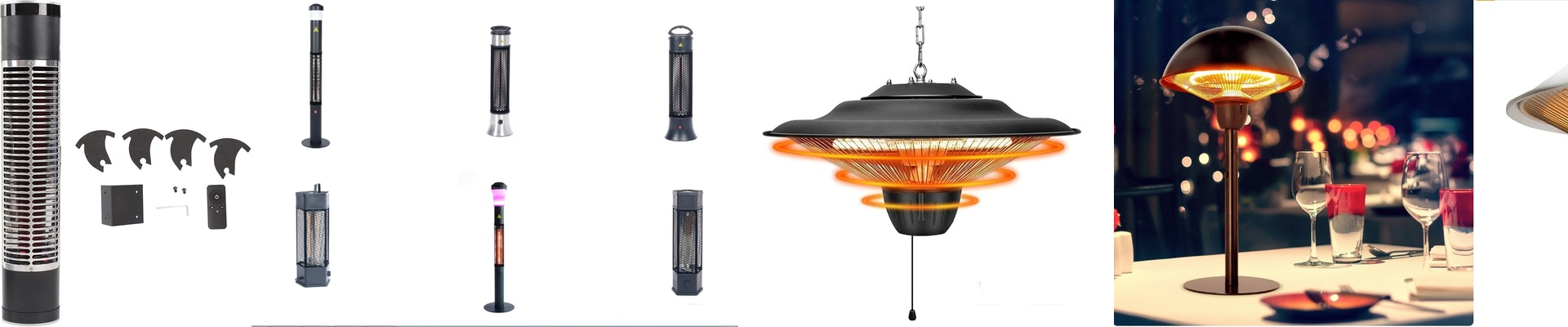
Let’s talk bathroom warmth—the kind that feels just right, right when you need it. We built our bathroom infrared heaters for smart home climate setups, where speed and precision are everything. And the magic behind that performance? Low heat inertia. Basically, it means the heater warms up and cools down almost instantly. So when your smart controller says “go,” it goes. No waiting, no lag. And when it says “stop,” it stops—no wasted energy hanging around in standby.
What Makes It So Fast? It’s Physics, Plain and Simple
Low heat inertia isn’t some buzzword. It’s real, measurable, and it comes down to how the heater is built. Our infrared elements turn electricity into radiant heat with hardly any extra mass in the way. So the moment you flip the switch, you get heat. The moment the signal drops, the heat fades. For your bathroom, that means the heater doesn’t need to run in long, steady stretches. It can work in quick, focused bursts—delivering power only when you actually need it. Smart controllers love this because it responds fast. That means tighter control over temperature and humidity, and more comfort with less waste. Of course, there’s a trade-off. To keep things that nimble, we have to keep the element’s mass low. That means careful design to make sure the parts inside can handle rapid on/off cycles without wearing out.
The Build: Built to Keep Up With Your Life
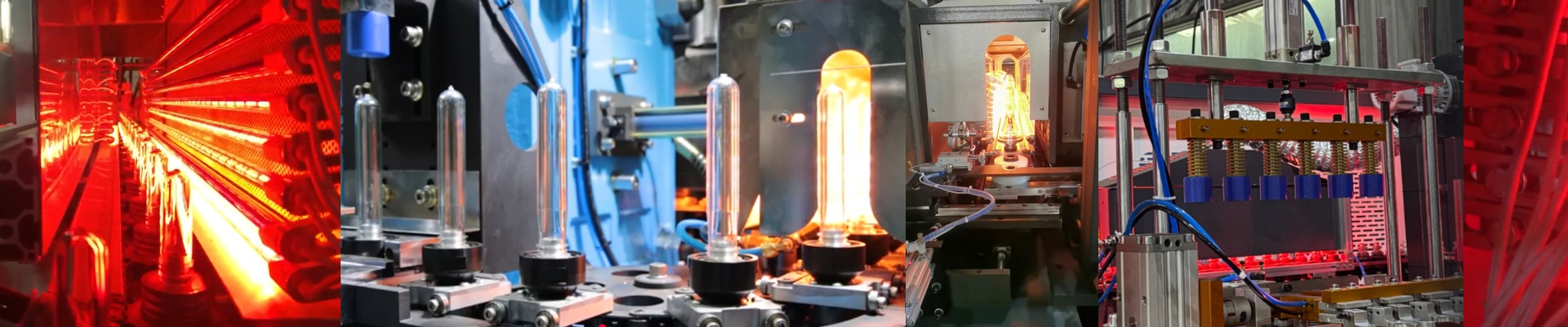
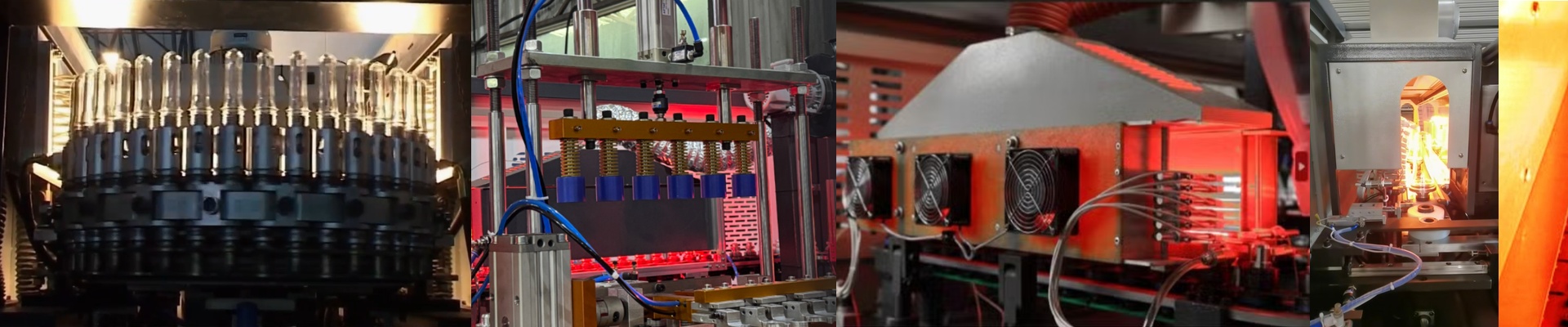
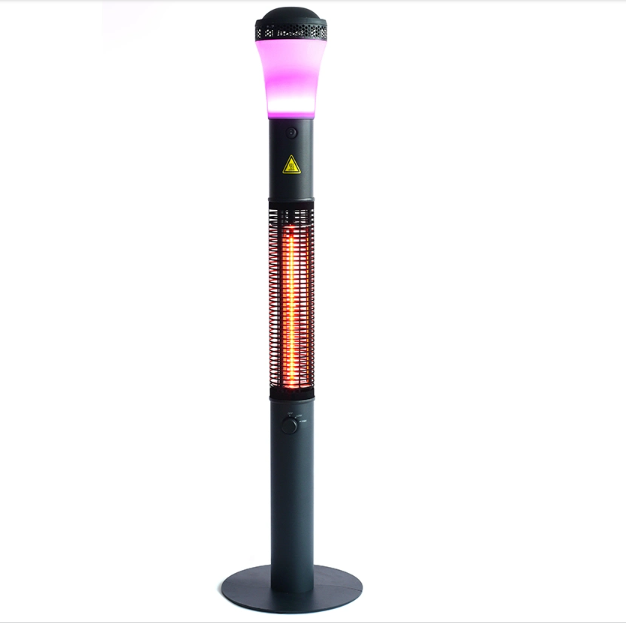
We use shortwave infrared tech, wrapped in high-purity quartz. It’s tough enough to handle sudden temperature swings without cracking—even when you’re turning the heat on and off constantly. Because the design has low thermal mass, the heater hits its target output fast, then shuts off clean. No lingering warmth. No power drain while it “idles.” It works smoothly with smart thermostats and occupancy sensors, so you get heat when you want it—and nothing when you don’t. Predictable, effortless control.
What This Means for You: Smarter Heat, Real Savings
In a smart home climate system, your bathroom heater needs to react—fast. It has to respond to sensors, changing settings, and your habits. Low heat inertia makes that happen. Think of it like a fast-acting valve. It delivers heat on demand and cuts it off the instant things change. That cuts out a lot of the energy waste you get with traditional heaters—especially all that time spent in partial-load and standby mode. Shorter cycles, quicker preheat, and comfort that doesn’t overshoot. Now, here’s the reality check: the faster the response, the more you need control logic that matches it. But if you plan your system to keep up with the heater’s speed, you’ll see it in your energy use—lower kWh, without giving up comfort.