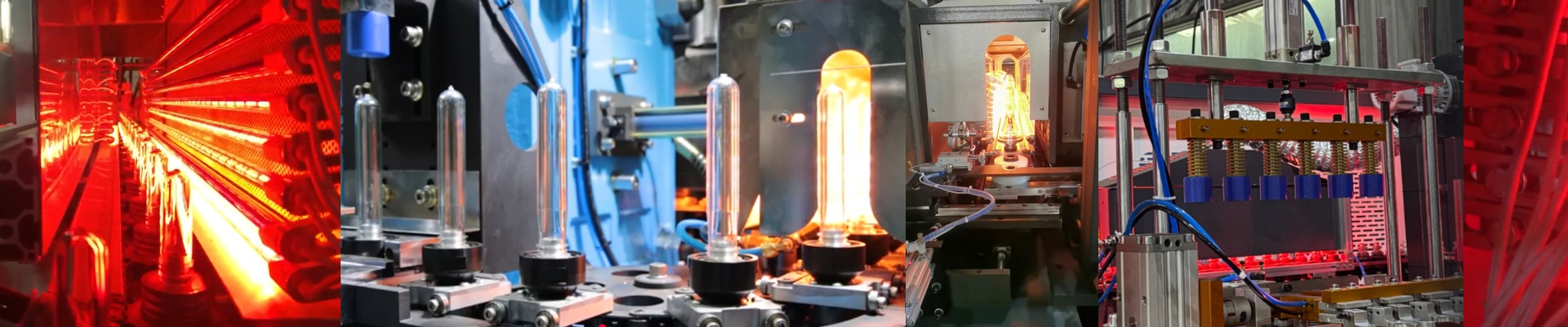
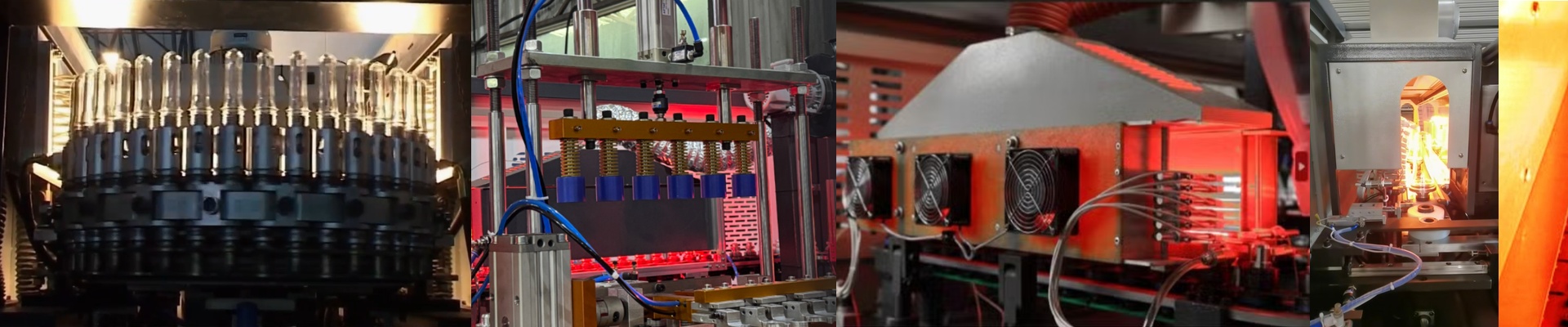
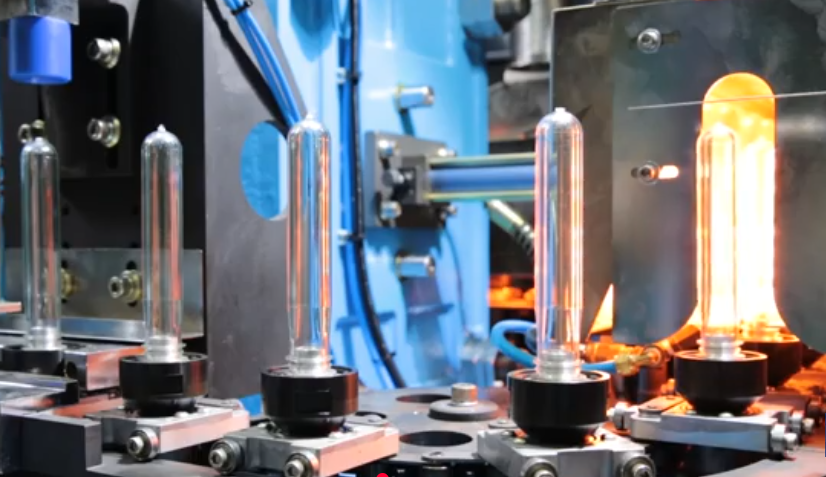
On a PET line, the heating tunnel is where the pressure cooks. Preforms have to land in a tight temperature window before they ever see the mold. When a heating bulb dims or dies, you don’t just lose a lamp—you lose rate, you lose control, and suddenly you’re chasing scrap. What matters under the hood We build PETC blow molding heating module spare bulbs as engineered emitters, not generic replacements. They’re short-wave infrared quartz, running a high filament temperature so the heating zone snaps back fast after a door cycle. Specs are matched to the OEM heating module: standard voltages (230V/460V), the right wattage per lamp, and R7s connectors that drop straight into the existing sockets. Dimensions are held tight, too, so the bulb seats square in the reflector. That keeps the focal point on the preform shoulder—right where it needs to be. Why it holds up in stretch blow molding The real payoff is repeatable heating. When parameters are matched, the heating profile stays stable shift after shift, and you stop fighting overheating and cold spots. The result? Fewer rejects, more consistent bottle weight, and less downtime spent tweaking temperatures. Energy use comes down because the emitter heats on demand and the reflector geometry stays aligned. For you, that translates into more bottles per hour off the same blow molder, with fewer interruptions. Field notes that save headaches Installation is straightforward, but alignment is not optional. Even a slight off-axis bulb shifts the heat map and can create thin points. Double-check the connector type, wattage, and overall length against your machine’s lamp schedule. Make sure the reflector is clean and not warped. And keep spares stored dry—handle quartz with clean gloves. Oils and contamination shorten life and can drive hot spots.