Walk into any busy bakery or pizza shop at 8:00 a.m., and you know exactly where the pressure hits: the sterilizer cabinet. It has to be ready—right now—every single time. Pans need to be warm. Prep surfaces need to be sanitized. Tools have to come out bone-dry so moisture doesn’t wreck dough or sauce. When that cabinet heats slow or throws uneven warmth, the line backs up, trays sit damp, and the first bake of the day starts already behind. We built our Sterilizer Cabinet IR Emitter for that reality. It isn’t a showpiece. It’s a workhorse that turns a slow, unpredictable warm-up into a repeatable step you can count on.
What matters, technically
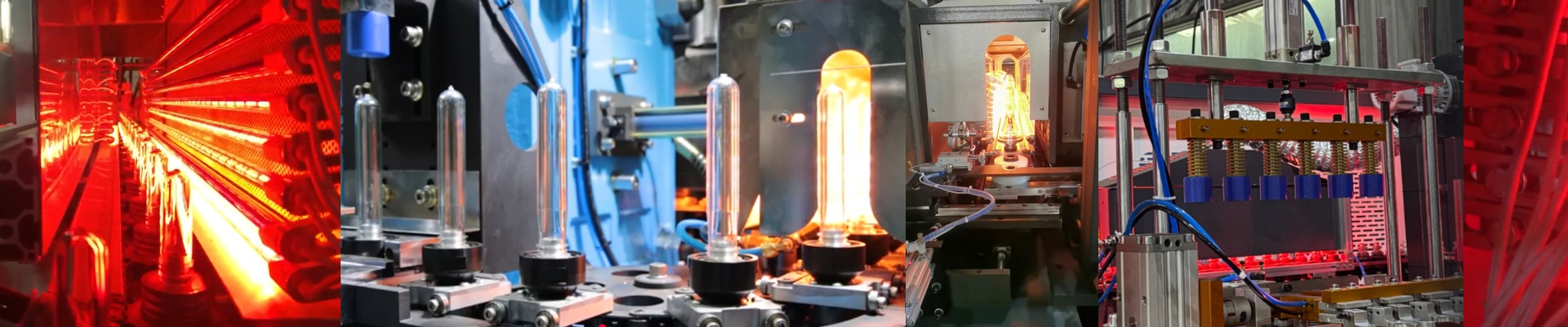
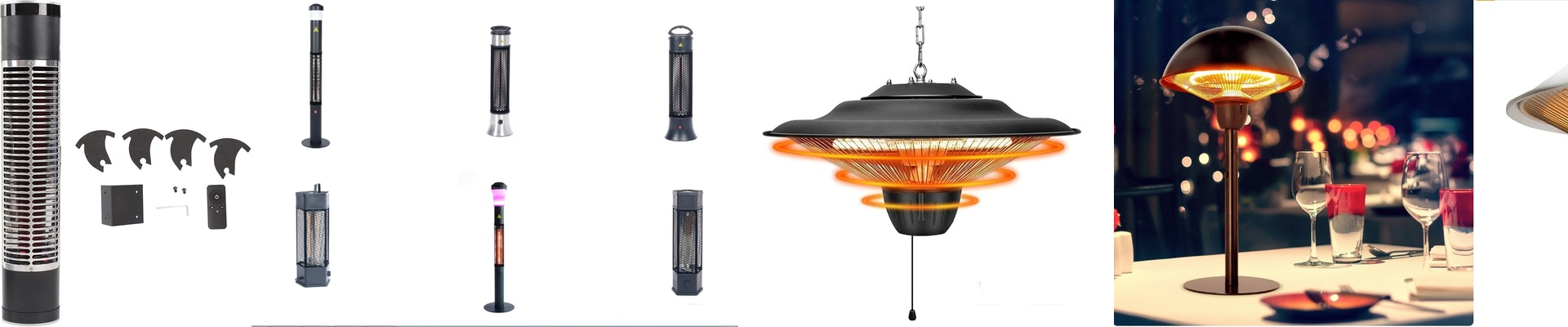
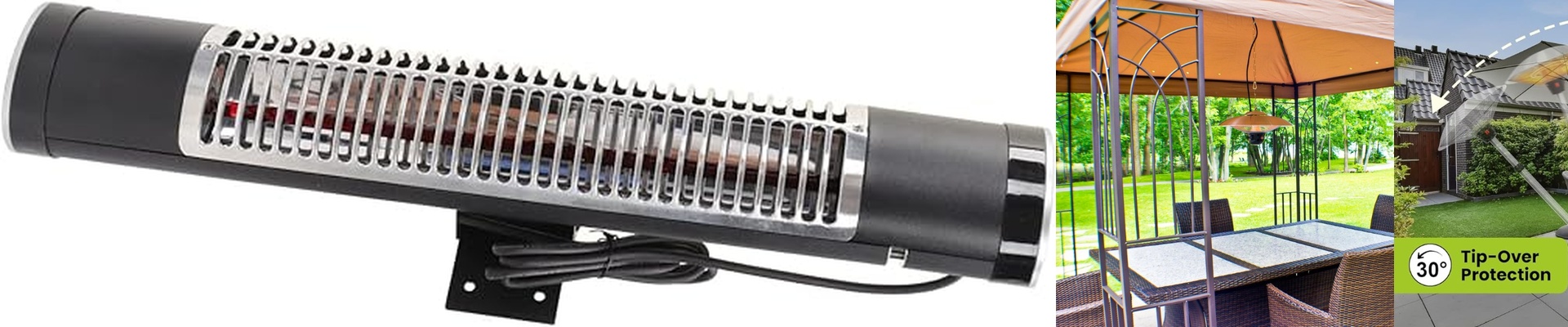
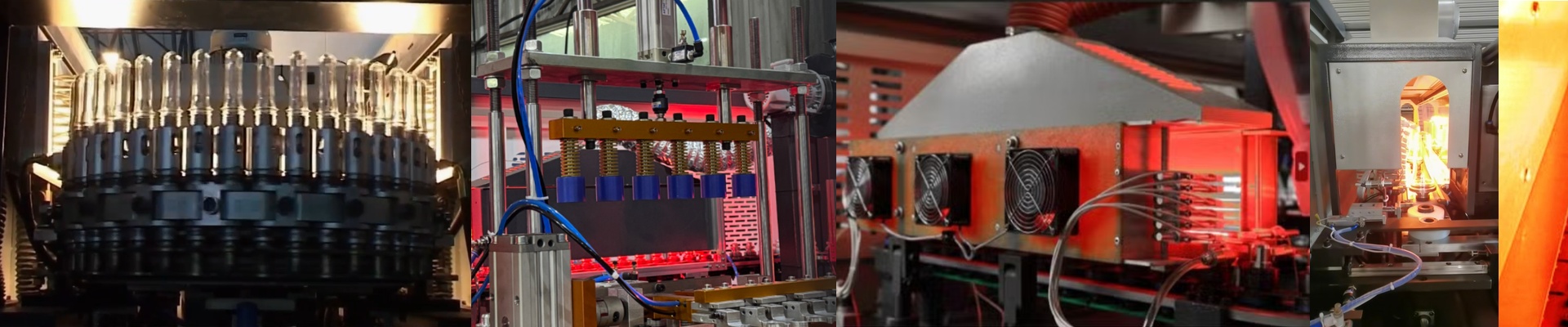
Infrared heat in a sterilizer cabinet only does its job when the output is stable, controllable, and consistent across the chamber. Here’s what we spec—and why it matters once the doors start opening and closing. **Quartz short-wave emitters.**Quartz delivers intense radiant heat with a fast response. In a cabinet that has to hold set temperature while doors open and close, that responsiveness keeps the temperature from collapsing. Short-wave output penetrates surfaces quickly, helping water evaporate off tools and pans without leaving cold spots. **Wattage and temperature control.**Our emitters come in standard commercial wattages matched to cabinet size and duty cycle—so you can spec enough heat without overdriving the system. Pair them with a thermostat that reads the chamber (not just the element housing), and you get stable holding temperature instead of wild swings. **Fast warm-up, repeatable cycles.**In a sterilizer cabinet, “fast” means minutes, not tens of minutes. The emitters reach operating temperature quickly, so you can turn the cabinet on between prep waves and have it ready when you need it. That predictability matters when service starts and your staff is moving at full speed. **Mounting and electrical.**The emitters are designed for straightforward integration into cabinet assemblies, with mounting options that let you place the heat where it evenly covers shelves and trays. Standard terminals and wiring compatibility simplify installation for oven and cabinet manufacturers—and for kitchen teams retrofitting an existing unit. **Built for heat and the daily wipe-down.**The quartz tube is housed in a protected assembly that can take high ambient temperatures, repeated thermal cycling, and the scrub of a commercial kitchen. The design focuses on reliability over time, because a sterilizer cabinet that goes down at peak hours costs way more than the part.
Why this works in a sterilizer cabinet
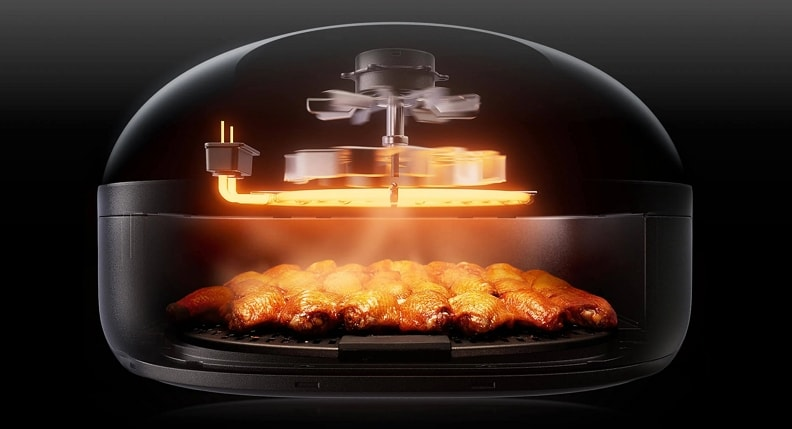
Sterilizer cabinets live at the intersection of sanitation, speed, and consistency. The IR emitter has to support all three. **You get faster turnover.**When pans, proofing baskets, or cutting boards come out dry and at the right temperature, staff can work immediately. No waiting for residual moisture to evaporate. No re-warming a batch because the cabinet couldn’t hold temperature. **You get even results.**Uneven heat creates uneven drying—one corner stays damp while another overheats. Radiant heat from properly placed emitters spreads across the chamber, so every tray sees the same environment. That matters when you’re running multiple racks and need the same outcome from the first tray to the last. **You get energy use you can plan around.**Quartz emitters deliver heat directly to the load and chamber surfaces, instead of wasting energy heating a large volume of air that escapes when the door opens. That targeted heating helps keep operating costs predictable, especially in kitchens that run the sterilizer cabinet for long stretches. **You get fewer interruptions.**A sterilizer cabinet that fails mid-prep doesn’t just slow one task—it delays the whole station. We design these emitters to handle the daily on/off rhythm of a commercial kitchen, because downtime is measured in lost covers, not just lost minutes.
The practical details that make it run
IR emitters are straightforward, but real kitchens have real constraints. Here are the things that make the installation—and the daily operation—go smoothly. **Clearance matters.**Infrared emitters radiate intense heat, so proper spacing from trays, pans, and cabinet walls is necessary for even performance and to protect materials. The cabinet needs to be designed or adjusted so the heat distributes without hot spots and without contact risk. **Controls have to match the chamber.**The thermostat or controller should be mounted to sense chamber air temperature, not element temperature. If the sensing location is wrong, you can get overshoot or drift, and the cabinet won’t behave the same from one shift to the next. **Ventilation and moisture handling.**Sterilizer cabinets evaporate water, and that vapor has to go somewhere. If the cabinet is too sealed, steam condenses and defeats drying. If ventilation is excessive, the cabinet struggles to hold temperature. Balance airflow with heating capacity so the system works as a complete unit. **Heat plus cleaning.**Quartz emitters tolerate high heat, but like any heating component, they need space to operate and protection from direct contact with cleaning tools. Spec the emitter location so it stays out of the line of heavy scrubbing and impact, and the cabinet becomes easier to maintain without risking the heating system. If you’re spec’ing a new sterilizer cabinet or upgrading an existing one, match the emitter to the workload: number of racks, how often the door opens, the target dryness, and daily runtime. When those line up, the cabinet stops being a bottleneck and becomes a reliable step in the flow.