
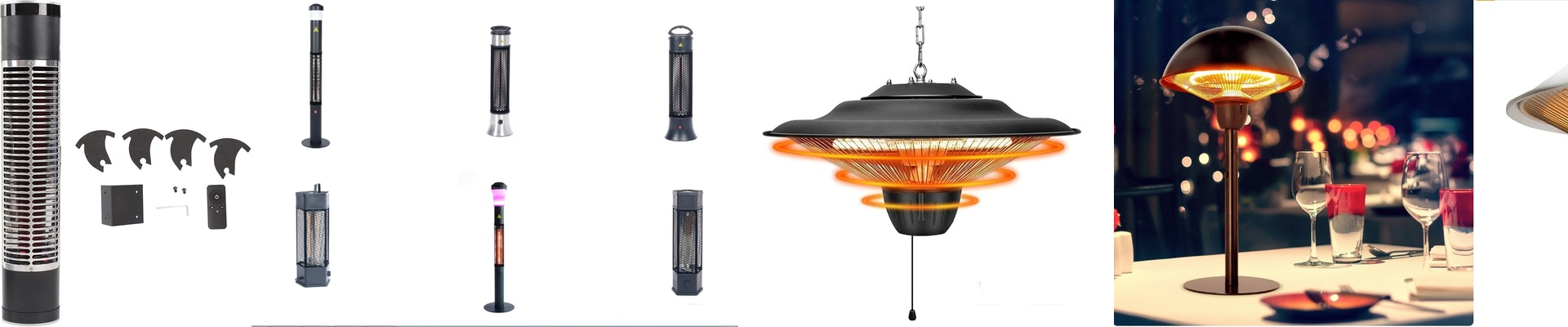
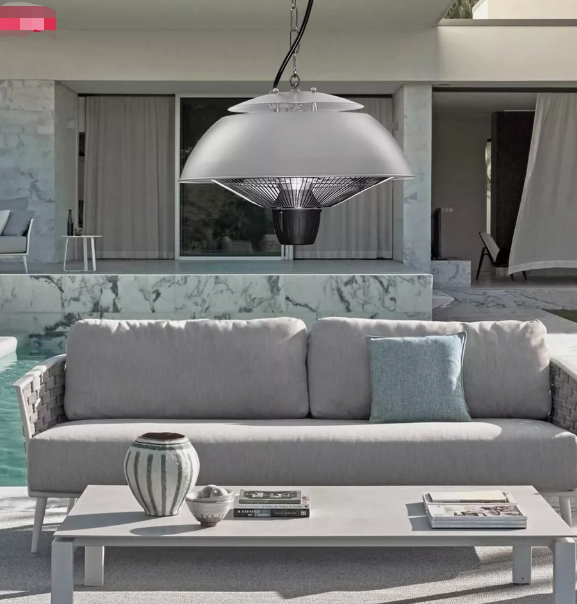
Step outside on a crisp evening and the air bites. Flip on an infrared heater, and the cold backs off in seconds. You feel it like a gentle wave of warmth, not a blast of hot air. That’s the whole point: radiant heat warms people and objects directly, instead of chasing the empty air around them.
What Matters Technically
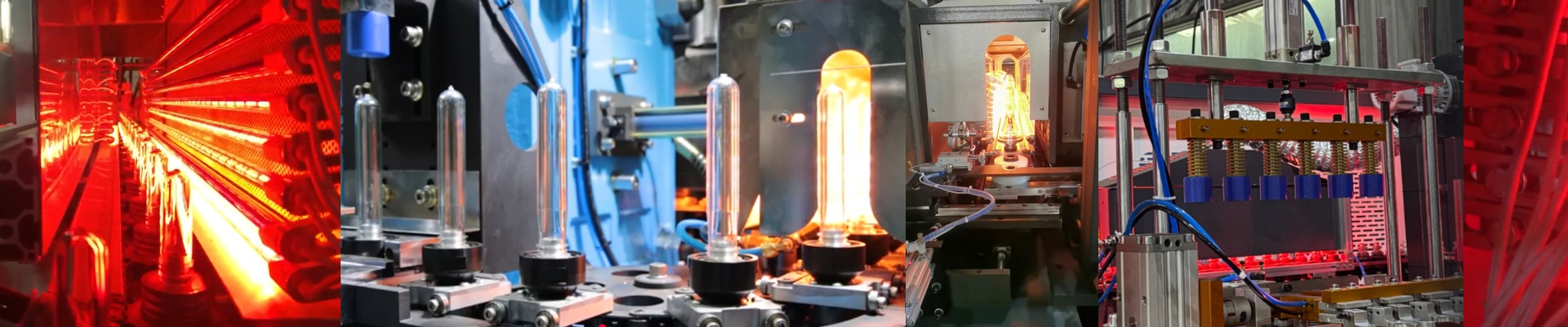
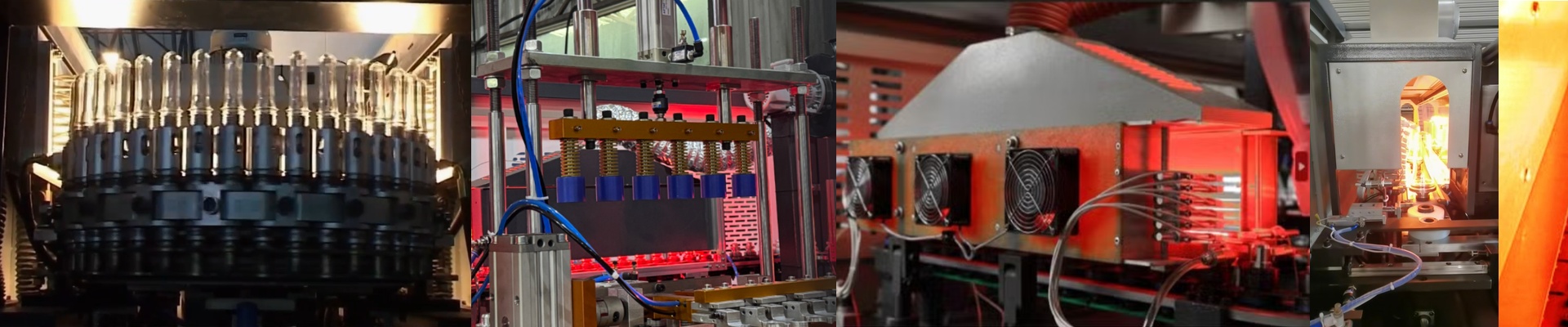
We build these around the physics of electromagnetic radiation. Inside, a halogen or quartz element comes up to temperature fast, then emits short-wave infrared. That energy travels in straight lines and gets absorbed by skin and clothing. So you feel the warmth the instant the unit is switched on.
Most models run on standard household voltage, pull 1.2–1.5 kW, and deliver output tuned to a comfortable band—warming without glare. Controls are straightforward: an on/off switch and a thermostat that keeps the surrounding air from overheating while maintaining steady radiant comfort.
Why It Works Here
Outdoor living spaces cool down fast once the sun dips. Forced-air heaters push warm air around, and it gets scattered. Infrared heats what matters—your body, the chairs, the table. You get fast comfort without waiting for the air to warm up.
That means longer evenings, fewer interruptions to grab a blanket, and a more natural feel. If you’re hosting dinner or just reading under the stars, the payoff is quiet and immediate: warmth when you want it, where you want it.
Things to Know
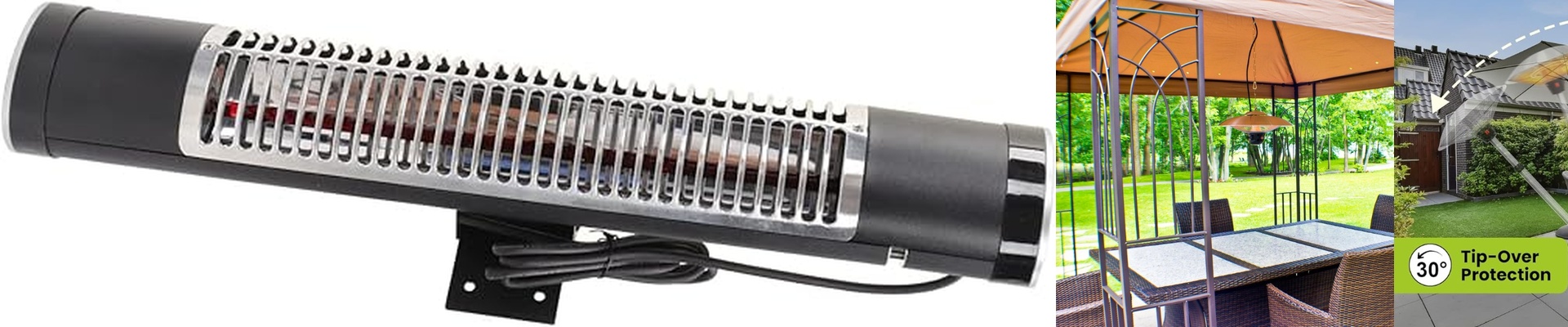
Infrared warmth is directional, so placement matters. Face the heater toward the seating area and mount it high enough to spread the beam without glare. For outdoor use, look for a unit with an appropriate IP rating and tip-over protection.
Clearances matter, and the heater performs best in sheltered spots. Strong wind can scatter the radiant pattern, and very damp conditions call for extra protection.