Fixing Those Annoying Heat Spots in KHS Blow Molding
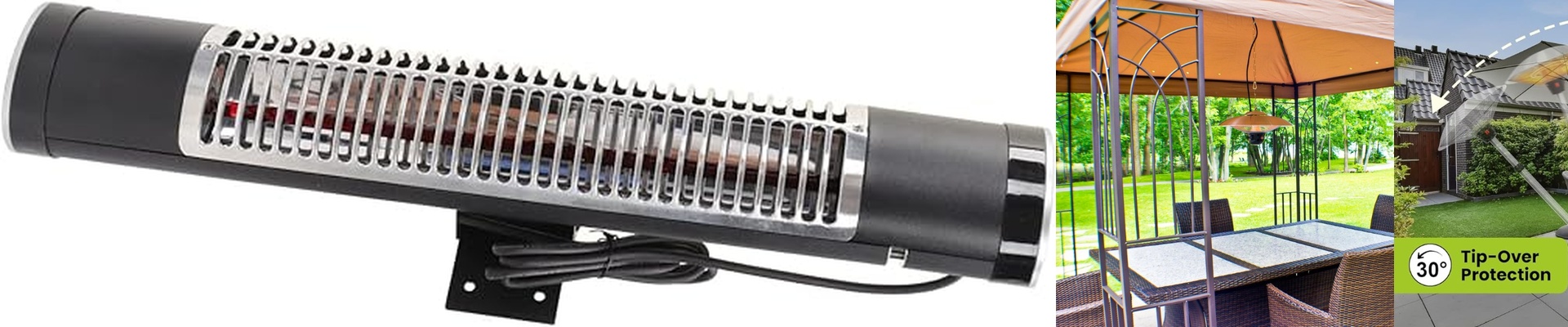
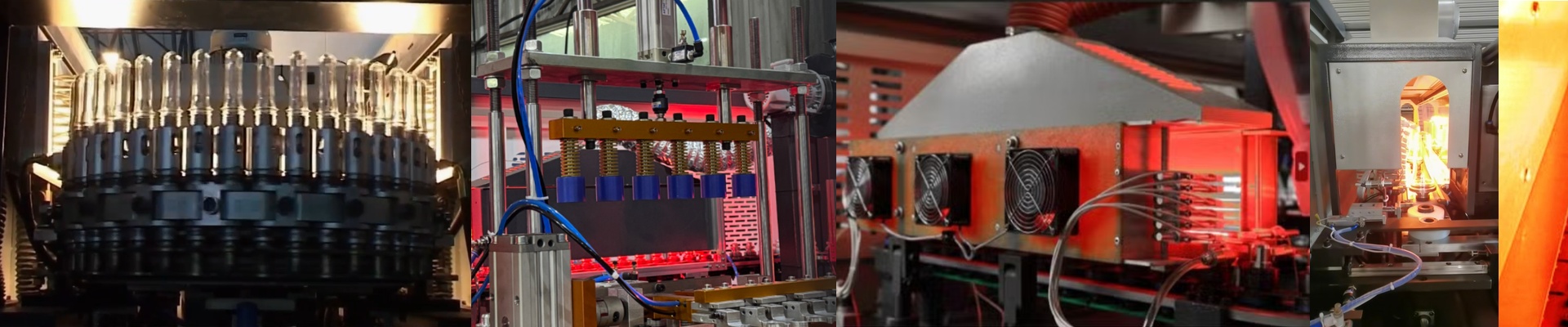
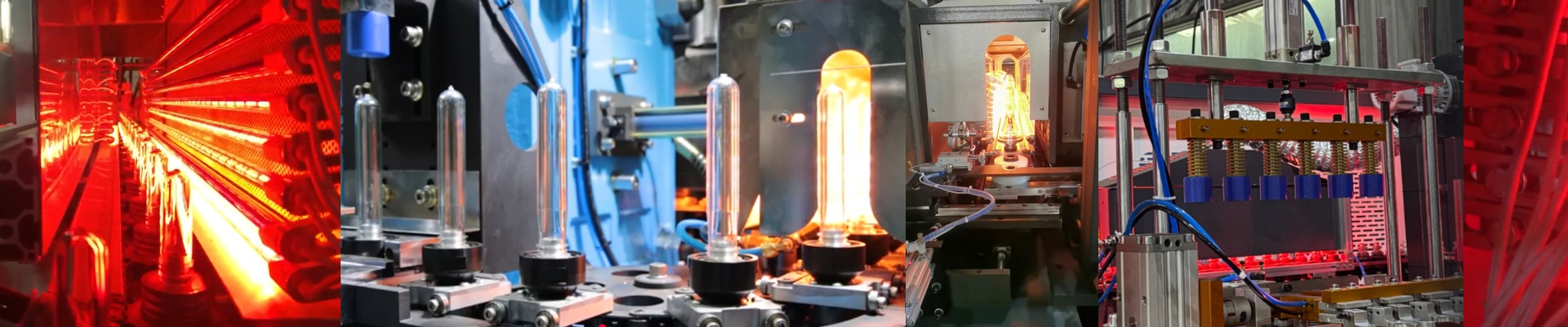
Ever pull a batch of PET bottles off the line only to find some parts are way too thin while others have that weird, cloudy pearlescence? It’s frustrating. Usually, it comes down to one thing: your infrared lamps aren’t hitting the preform evenly. We’ve been there. That’s why we make drop-in replacement quartz lamps. They fit your KHS footprint perfectly, but we’ve tweaked the internals to kill those hot spots.
Why your current lamps might be failing you
Here is the thing about standard lamps: they suffer from “end-loss.” Basically, the heat just drops off a cliff near the connectors. You end up with a bottle where the base is overheating but the shoulder is still cold. Not ideal. We fixed this by changing how the filament is wound. We put a bit more tungsten coil toward the ends and thinned it out in the middle. The result? A flat, steady line of heat across the whole tube. No more guessing games with your wall thickness.
The nitty-gritty stuff
We use high-purity quartz glass because this stuff has to take a beating from rapid heating and cooling cycles. We also fill them with halogen gas. This stops the tungsten from evaporating and clouding up the glass, so your lamps stay clear and efficient for thousands of hours. As for the hardware, we stick with R7s or Sk15 connectors. They’re the gold standard for a reason—they don’t melt when things get hot. Just a quick tip: if you’re running high-wattage tubes, double-check your wiring. If your wires can’t handle the peak load, you’ll get voltage drops, and your heating consistency goes right out the window.
Getting them installed
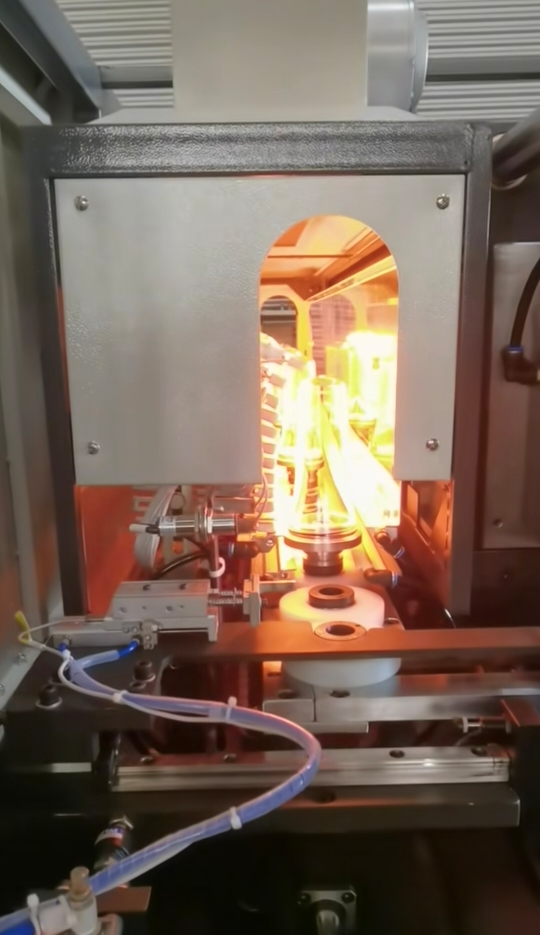
These lamps pack a punch. They put out a lot of heat, which means you need to make sure your oven’s ventilation is actually doing its job. If the air isn’t moving, the oven gets too hot and you risk warping your reflectors. Installing them is the easy part. They’re direct replacements, so you don’t have to modify your machine. Just swap them in, wire them up, and tweak your PID controllers to match the new heat profile. That’s it. You’re back in business.