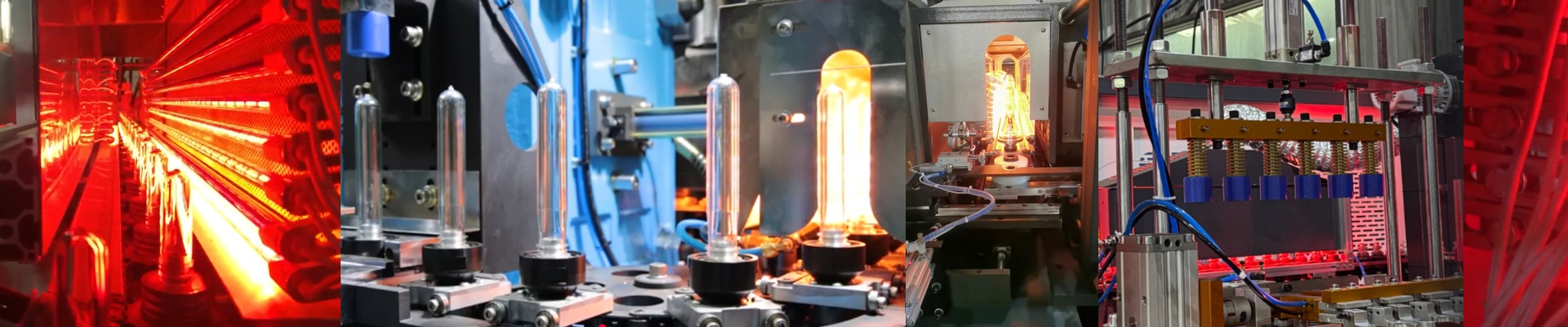
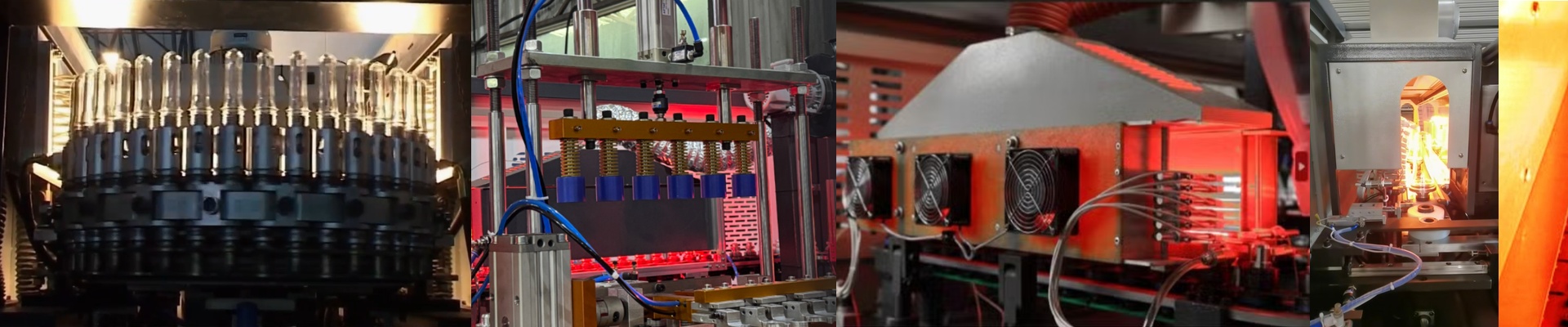
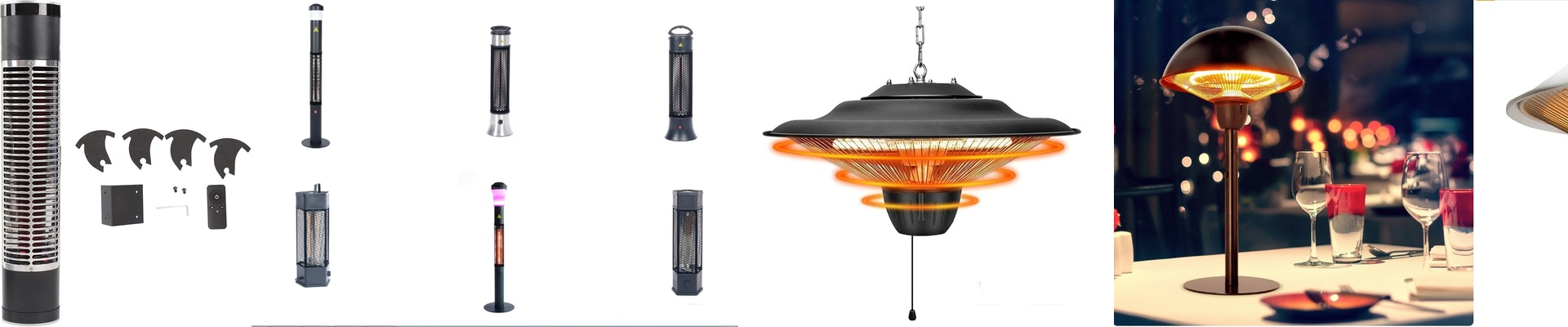
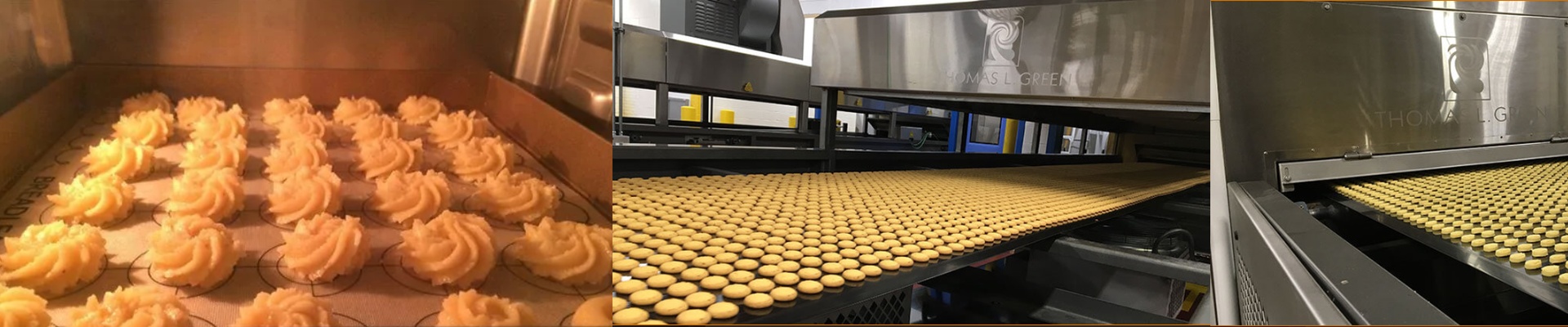
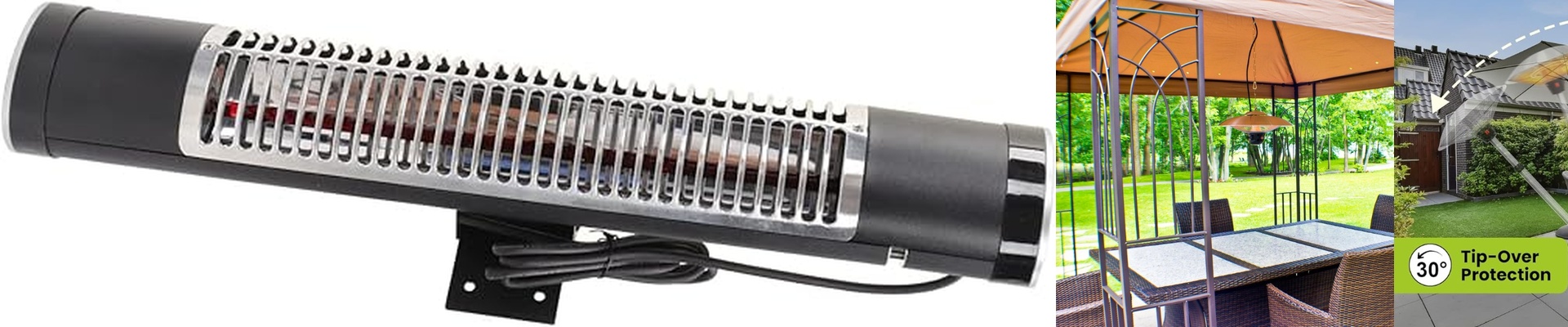
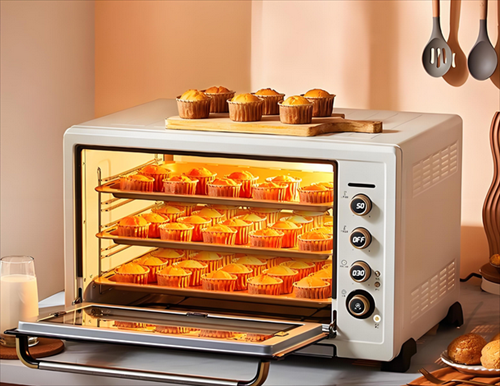
When service hits, your oven can’t be hesitating. One weak zone and you’re staring at underdone crusts, slow recovery after the door swings, and tickets backing up. The single-tube quartz heating element is the practical way to get controllable, repeatable heat back into the baking chamber—whether you’re running a deck oven, rotary oven, convection, or a holding cabinet.
What actually matters, technically
A single quartz tube element throws out rapid radiant heat with fast response, so the oven comes up to setpoint quickly and holds steady. Quartz takes the temperature swings without cracking, and the tube geometry spreads heat across a defined zone, which cuts down hot spots. We size the watt density and element length to match the cavity, not just the wattage number. In practice, that means more consistent stone hearth temperature for pizza, more even top/bottom heat for bakery decks, and stable holding temps for finished food.
Why this works in the real world
Pizza needs instant recovery after a door slam—radiant output from the quartz tube keeps the crust lifting and the cheese setting the way it should. Bakery work demands predictable heat for lamination and caramelization; stable element behavior means fewer mid-bake adjustments and fewer trays scrapped. On grills and in holding cabinets, the same element keeps food warm without drying it out, because the heat stays steady instead of spiking. Fewer temperature swings, faster turnaround, and less wasted energy per bake cycle.
What you need to know
Quartz tube elements are straightforward to swap, but they have to be matched to the oven’s voltage, mounting clearances, and thermostat response. Handle the tube by the ends, keep the reflectors clean, and verify the oven’s airflow and insulation—heat loss there will shorten any element’s life. Plan replacements around your service windows; keeping even a single spare tube on hand keeps production moving.