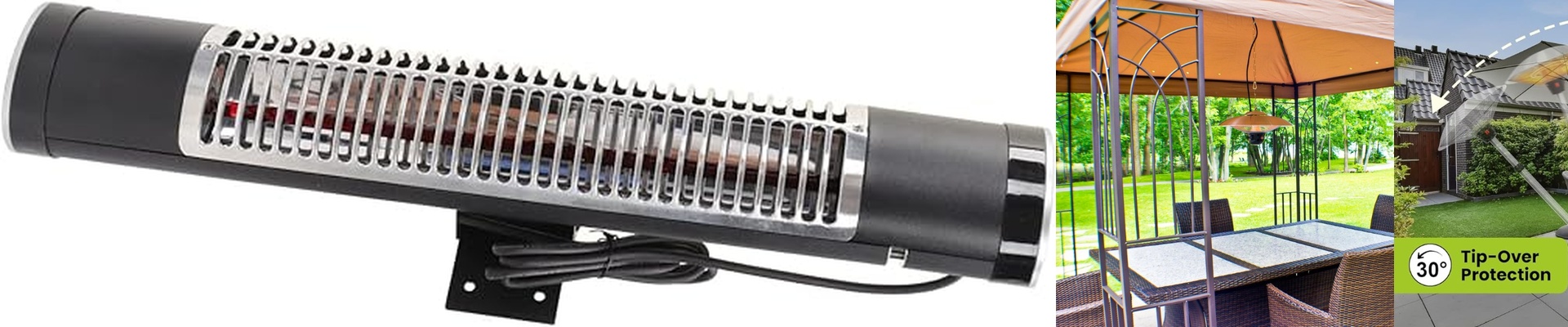
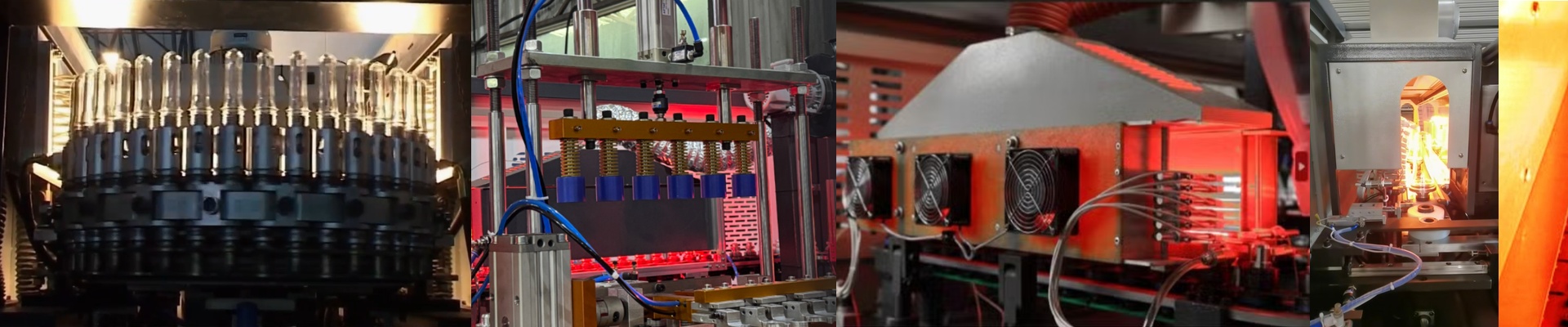
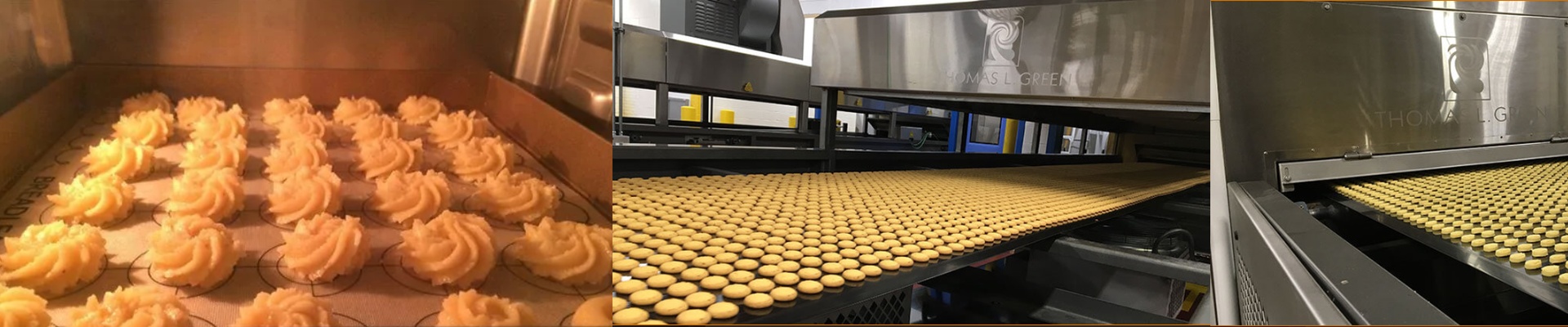
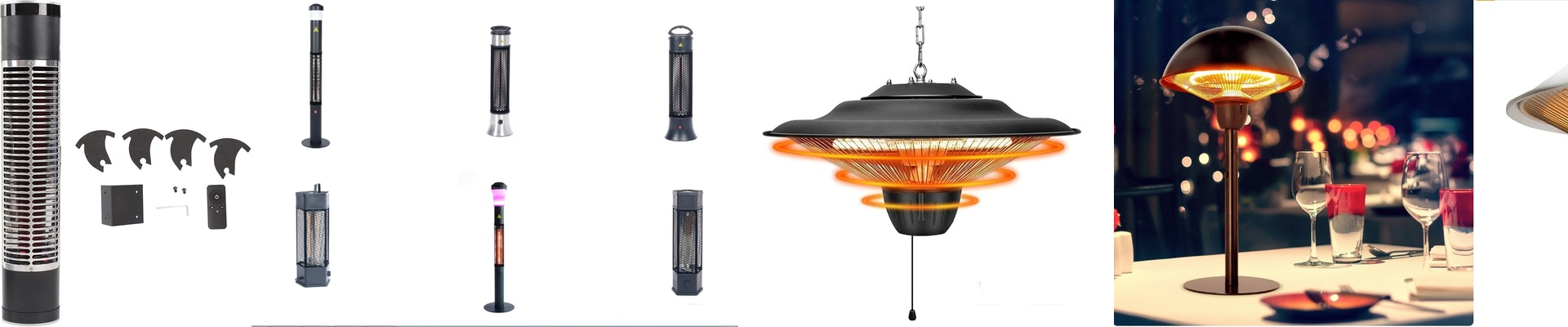
When the rush hits and the ticket rail fills, the deck oven that holds steady heat is the line’s quiet workhorse. Let the heat sag between bakes and you’ll feel it in the crust—lose the snap, watch proofed dough over-expand on a stone that’s gone cool. We built the infrared lamp for heat preservation so the baking chamber stays at the set point, instead of chasing it.
What Matters Technically
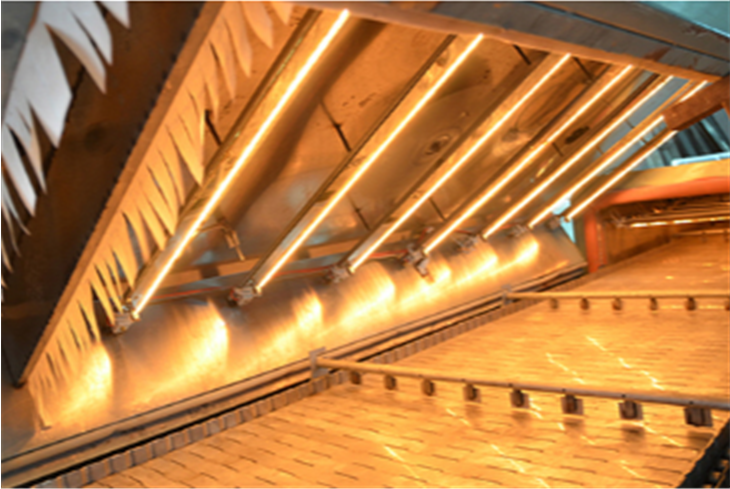
The unit runs a quartz halogen infrared element tuned to short-wave output, so the energy goes straight into the hearth and pans, not the air. The response is immediate: full radiant output in 1.2 seconds, and temperature recovery happens in seconds, not minutes. Control stays tight because the lamp has its own dedicated thermostat with ±1°C accuracy, and the focused beam pattern lays even coverage across the deck. In practice, that means consistent surface heat for consistent caramelization and leopard spotting on pizza—no hot edges, no cold centers.
Why It Works Here
In a busy bakery or pizzeria, the oven spends more time idling between bakes than it does actually baking. The infrared lamp keeps the stone and oven walls at temperature, so you can load right after a bake without waiting on recovery. That cuts idle time, keeps dough timing honest, and protects crust structure. Energy use drops because you aren’t reheating the whole oven mass every time the temperature dips. And since the lamp runs cooler than a full burner, the kitchen heat load stays manageable.
Things to Know
Installation is straightforward on most deck and rotary ovens, but clearance matters. Keep at least 150 mm of free space above the element and avoid any direct contact with uncovered food. Match the lamp to the oven’s voltage and socket type, and confirm the thermostat can be wired independently from the main baking burner. In high-humidity environments, keep steam off the lamp end connections—protecting the circuit keeps it reliable.