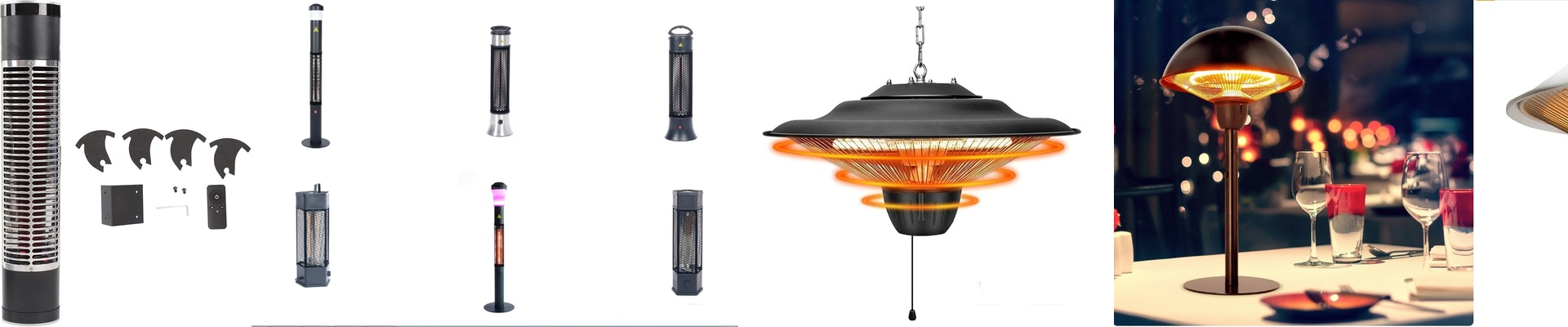

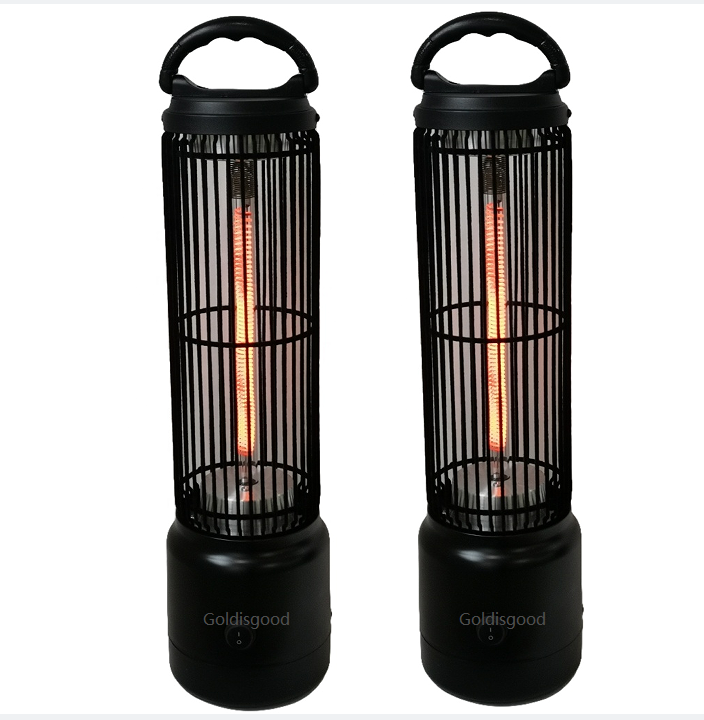
A big warehouse is a stubborn beast to heat. Standard heaters churn air, warming rafters and wide-open aisles while your crew is still shivering. That disconnect bloats energy costs and leaves comfort to luck. Infrared room heaters flip the physics of the space, putting heat where it actually matters.
What matters, technically
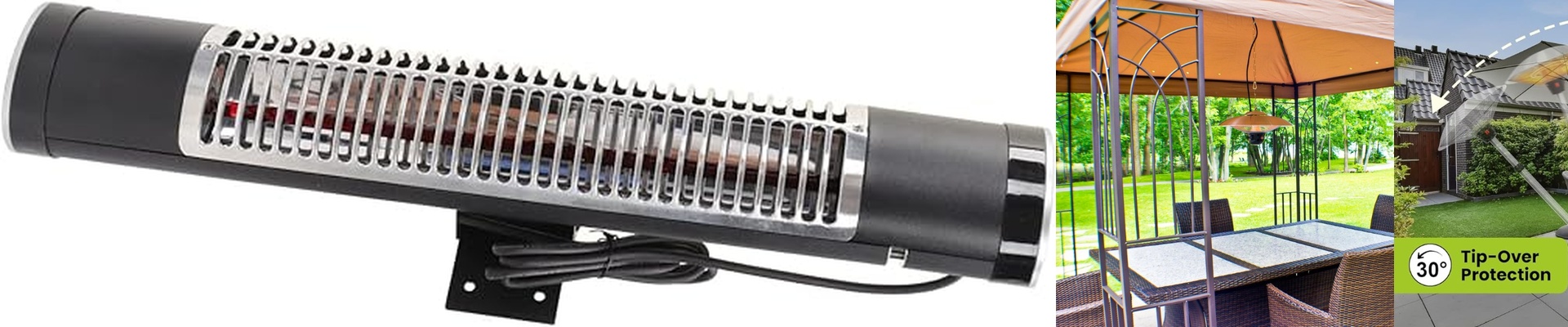
Infrared room heaters radiate warmth straight onto people, floors, and equipment—more like the sun warming surfaces than heating the air between them. We build our units around high-output quartz tubes or carbon fiber elements that deliver short-wave and medium-wave infrared. The payoff is fast response and tight directional control. A focused beam lets you aim warmth down the work lanes and under loading docks, instead of dumping it into the ceiling void. Many models run on standard 240 V circuits, draw 1.5–3 kW, and pair with simple thermostats or occupancy sensors for on-demand comfort. Safety is baked in: tip-over protection, thermal cut-off, and housings built to take industrial use.
Why it works in a warehouse
In a warehouse, heat has to follow the workflow. Infrared warmth reaches people on the move, so comfort is consistent from the first pallet to the last. Because you’re heating people and objects directly, you stop wasting energy on empty air—and the energy use drops. The immediate radiant heat cuts down on cold stress, which can help focus and ease fatigue on night shifts. Zone it so you only power the bays in use, and you stop dock areas and storage rows from burning kilowatts for no reason. The result is steadier comfort, fewer drafts, and operating costs that actually move in the right direction.
The practical details
Infrared room heaters are line-of-sight by nature, so plan mounting height and beam angle to hit aisles and workstations. Keep proper clearances to combustibles and watch forklift traffic—and in many setups, a fixed installation is cleaner than going with portables. In very dusty spaces, pick models with sealed elements and easy maintenance access. Infrared won’t warm the air, but you can team it with low-velocity air movement to improve mixing in high-ceilinged buildings. Match the heater to the task, and you get warmth that shows up exactly where you need it.