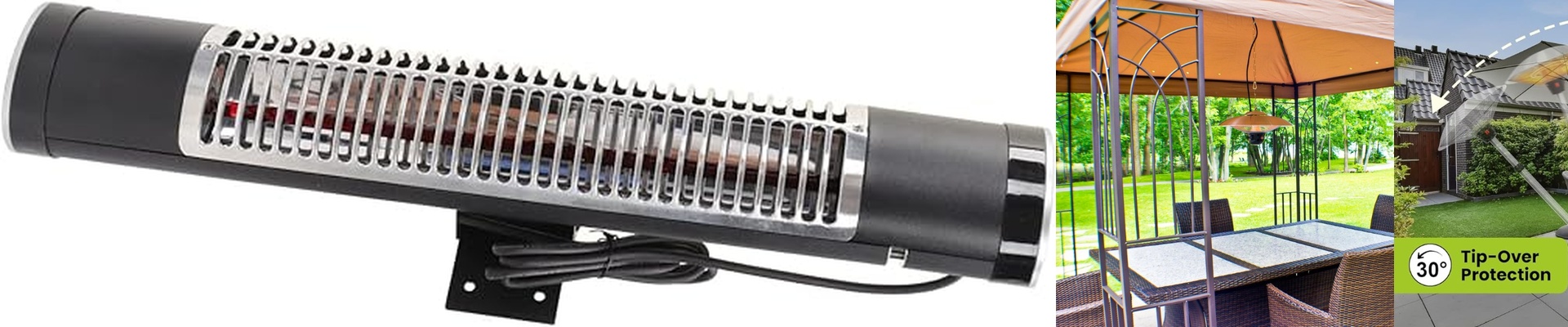


In a semi-open commercial corridor, the cold doesn’t just chase guests away—it drags down comfort, slows traffic, and quietly bloats the energy bill. When the heat can’t keep up, people cut their stay short, and staff feel it at the register. That’s where an infrared space heater with smart sensing earns its keep: it puts warmth exactly where it’s needed, the moment it’s needed, without burning power on empty space.
What matters under the hood
We lean on short-wave infrared heat, radiated straight to people and surfaces instead of wasting time heating air. You feel it almost instantly—no noise, no drafts like you get with forced-air. Pair that with smart sensing, and the unit watches for motion and presence, only firing up when the path is in use. Add the built-in thermostat and programmable settings, and it holds steady without endless cycling. The carbon fiber element responds fast and is built for long service, and the heater runs quietly so conversations and transactions stay natural.
Why this fits a semi-open corridor
The headache here is constant air exchange. Traditional heaters chase the wind, throwing energy at air that just leaks away. Infrared warmth stays local—warming bodies and nearby surfaces—while smart sensing keeps you from heating nothing. For operations watching the bottom line, that means lower draw during lulls and fewer demand charges. Guests feel the warmth the second they arrive, staff stay comfortable through the shift, and you meet sustainability targets without compromising comfort.
The real-world details
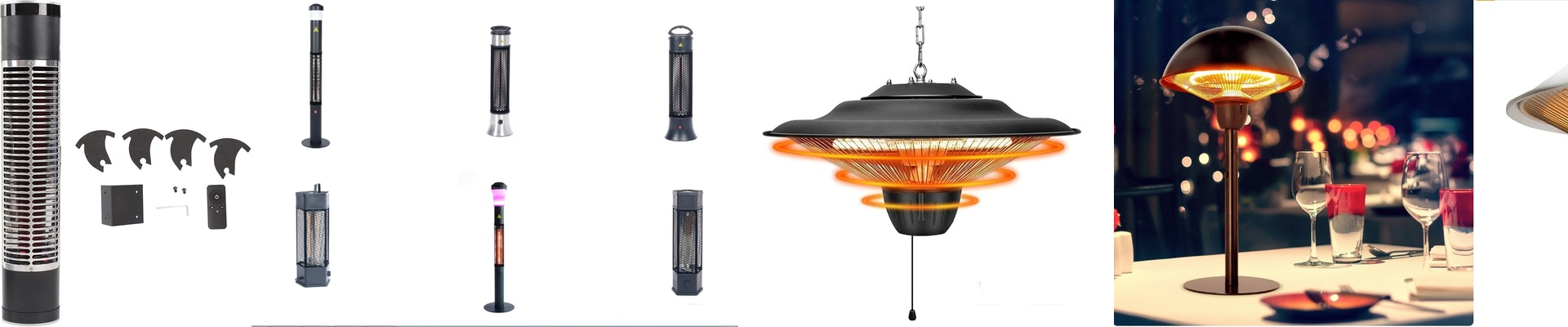
Plan on a dedicated circuit sized to the heater’s draw, and position the unit so it doesn’t glare directly on glass or reflective surfaces. For semi-open areas, pick a heater rated for outdoor or damp locations, and run through local codes for clearances. The trade-off: infrared warmth is most effective on people and surfaces, so it won’t feel as strong in very windy spots unless you add wind shielding.Placement makes the difference.