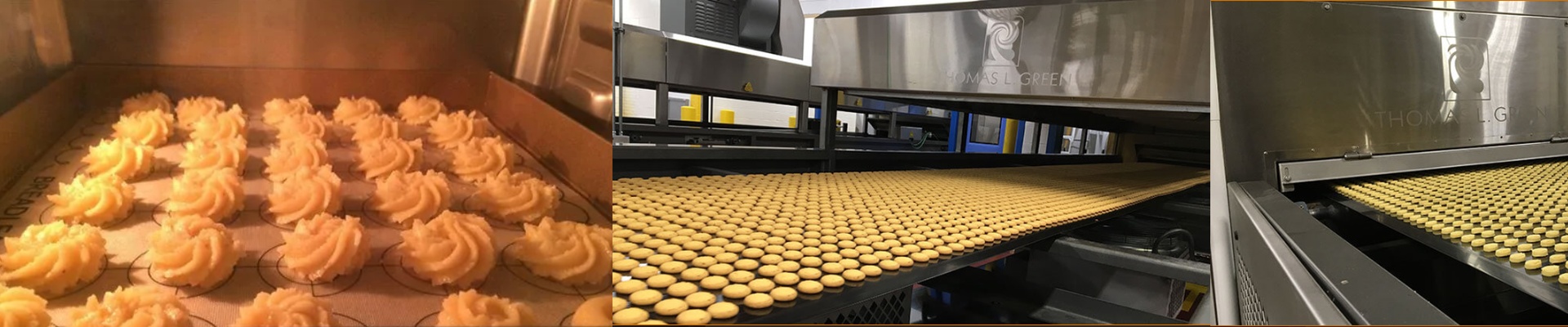
Stop Wasting Energy on Temperature Swings
If you’ve spent any time around industrial bread ovens, you know the frustration of the “overshoot.” You set your temp, the oven climbs, and then it just… keeps going. Traditional heating elements are basically big chunks of metal. They take forever to warm up, and once they’re hot, they stay hot long after the power is cut. You end up fighting that residual heat, wasting kilowatts, and praying your crust doesn’t burn while the oven tries to settle down. We decided to fix that by using carbon fiber halogen bulbs.
Why Speed Actually Matters
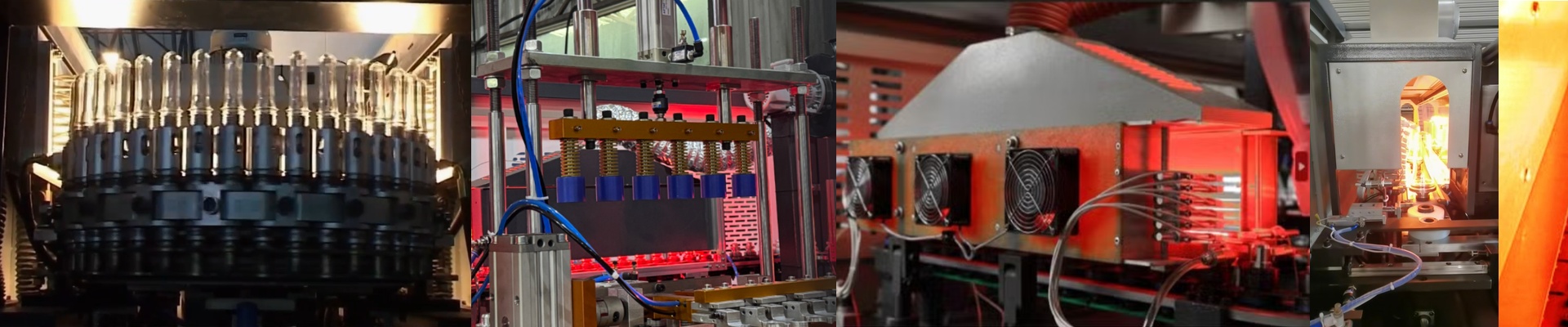
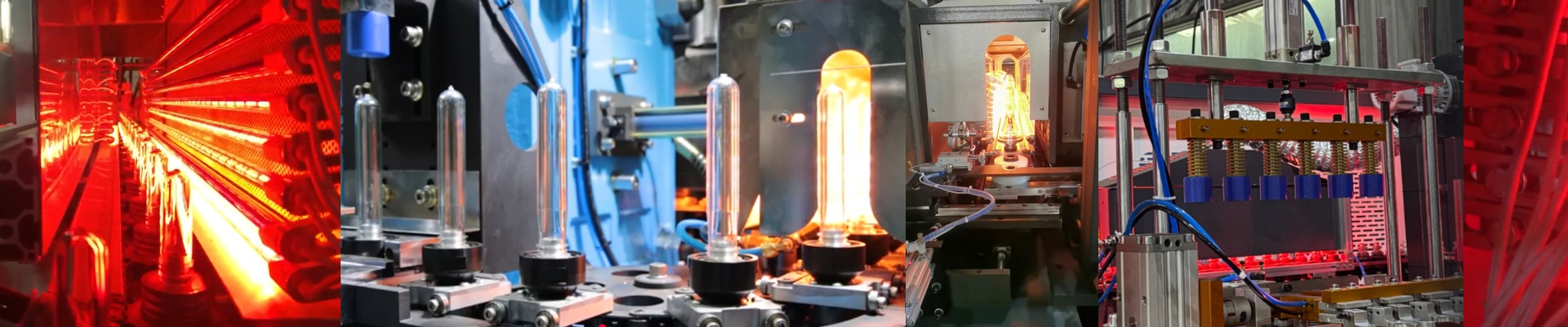
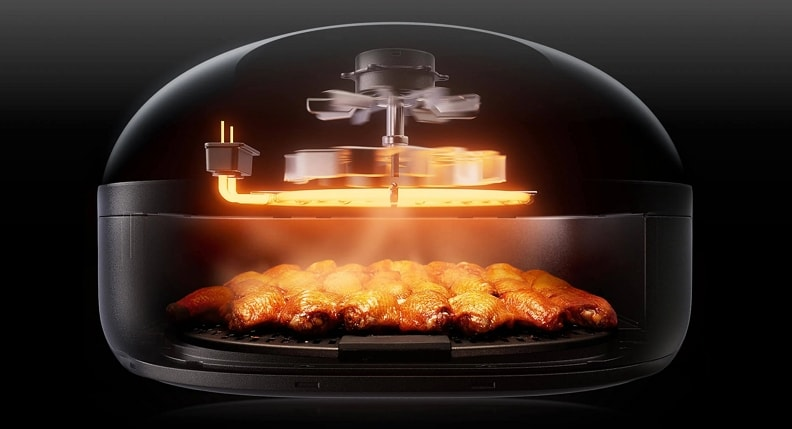
Think of it this way: traditional coils try to heat the air, which then heats the bread. It’s slow. These bulbs work differently. They use short-wave infrared radiation to send energy straight into the dough. The carbon fiber filament hits its target temp in milliseconds. The real magic happens when the controller tells the heat to stop. Instead of slowly cooling down like a hot stone, the heat output drops almost instantly. No lag. No fighting the equipment. Your oven just sits right where you want it.
The Hardware Side of Things
We wrap the carbon filament in a quartz envelope. This keeps the filament safe but lets those IR waves fly through without losing any punch. You get a tiny footprint and a cycle time that’s incredibly fast. But here’s the catch: these bulbs are intense. Because the heat is so concentrated, your reflectors take a beating. If they get dirty or pitted, the heat bounces the wrong way. Suddenly, your energy savings vanish because the heat isn’t hitting the bread. Keep your optics clean, or you’re just paying for electricity you aren’t using.
A Note for the Engineers
If you’re wiring this into a system, don’t use mechanical contactors. They’re just too slow for this kind of precision. You’ll want fast-switching SSRs (Solid State Relays). These bulbs can cycle in milliseconds, and you need hardware that can keep up. Sure, the components cost a bit more upfront. But when you look at your monthly utility bill and see how many kWh you’re saving per bake? It’s a no-brainer.