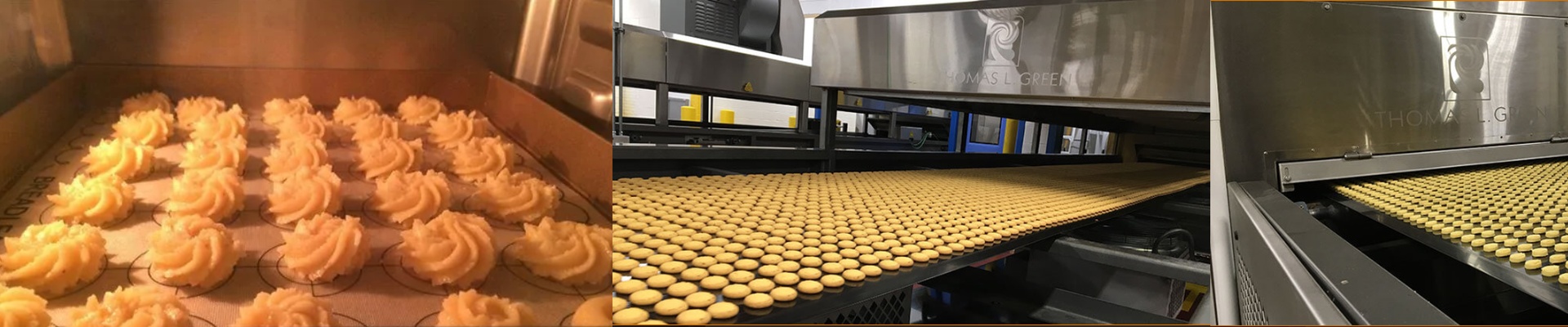
Stop Tossing Out Half-Baked Pizzas
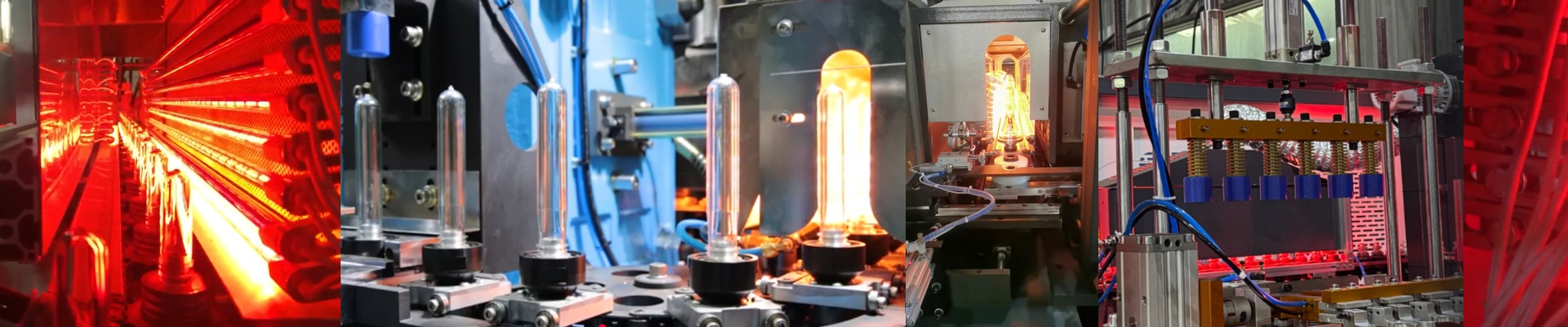
There is nothing more frustrating than pulling a tray of pizzas out of the oven only to realize the edges are charred but the middle is still raw dough. It’s a waste of ingredients, a waste of time, and it makes your kitchen feel chaotic. Usually, this happens because your oven has “cold spots.” Most heating elements just don’t spread heat evenly. That’s why we use high-purity quartz infrared tubes. They aren’t your typical lightbulbs—they’re built to push heat across the entire baking surface so every single pizza gets the same treatment.
Why it actually works
Most ovens just heat up the air and hope for the best. That’s how you end up with those annoying hot zones right next to the coils. Quartz tubes do things differently. They send out short-wave radiation that hits the food directly. By getting the wattage and the length just right, we can spread that heat density out. No more guessing games. Just a consistent, golden crust from the center to the edge.
Built for the chaos of a kitchen
Kitchens are brutal. You’re cranking the power up and down all day, and your equipment takes a beating. We use fused quartz for the outer shell because it doesn’t freak out when the temperature swings wildly. It can handle insane internal heat without warping or melting. It just stays solid. One quick tip:**Check your connectors before you buy.**Whether you’ve got R7s or specific pins, the replacement has to fit perfectly. If the connection is loose, it’ll arc and fry your socket. Not a fun way to spend a Friday night.
A few things to keep in mind
These high-wattage tubes put out a massive amount of heat. That’s great because your pre-heat time drops and the oven recovers almost instantly after you slide in a new load. It keeps the line moving. But, that extra power puts more stress on the oven’s frame. If you’re upgrading to a higher-output tube, just make sure your vents are clear. You don’t want the oven getting so hot that it trips the thermal cut-off switches right in the middle of a rush.