Getting the Center Right: Why Carbon Fiber Heating Actually Works
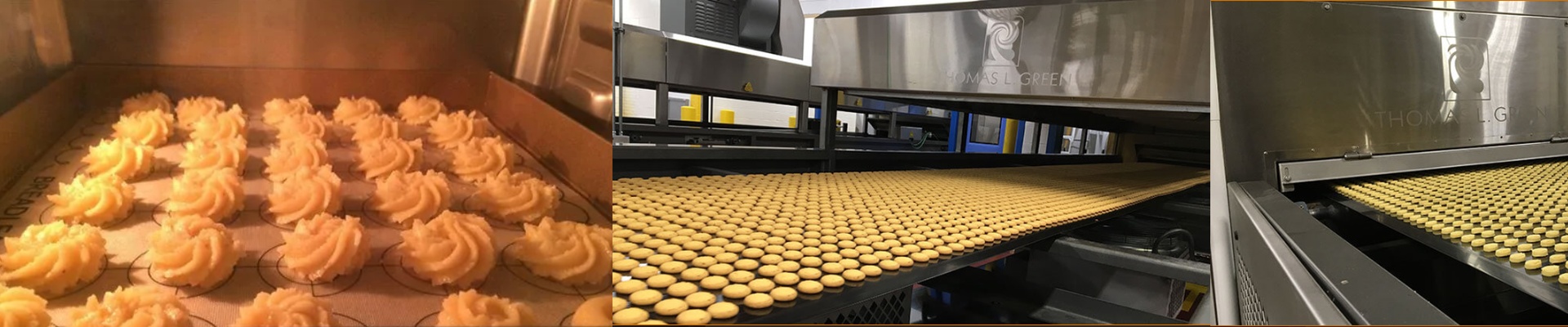
Ever pulled a thick roast out of the oven only to find the outside is charred black while the middle is still practically raw? It’s frustrating. The problem is that most ovens just blast the surface, hoping the heat eventually crawls its way to the center. That’s where carbon fiber comes in.
It’s all about the penetration
Most old-school metal coils just move air around. Carbon fiber is different. It pumps out short-wave infrared radiation that doesn’t just sit on the surface—it actually sinks deep into the meat. Since these waves hit the water and fats in the protein directly, the core starts heating up at the same time as the crust. You get a consistent cook from the edge all the way to the middle. No more guessing games.
No more “overshooting” the temp
One of the best things about carbon fiber is how fast it reacts. Metal tubes are heavy and hold onto heat long after you turn them off, which usually leads to that annoying “temperature overshoot” that ruins a delicate roast. Carbon fiber doesn’t have that baggage. It heats up and cools down almost instantly. If you’ve got a PID controller hooked up and it sees a tiny 2-degree spike, the element just stops. Period. You get a level of precision that makes the whole process feel a lot less stressful.
A few things to keep in mind
These aren’t “plug and play” in every single oven. Because the heat density is so much higher than what you’re used to, you have to make sure your ventilation is on point. If the air can’t move, that reflected energy can build up and actually warp your chassis or fry your boards. It’s powerful stuff, so give it room to breathe. Also, kitchens are greasy, messy places. To keep the carbon filaments from oxidizing or getting damp, we wrap them in high-grade quartz. Just be careful with them. If that quartz envelope cracks, the filament will burn out in seconds. Treat them with a bit of respect, keep them away from heavy impacts, and they’ll do the heavy lifting for you.