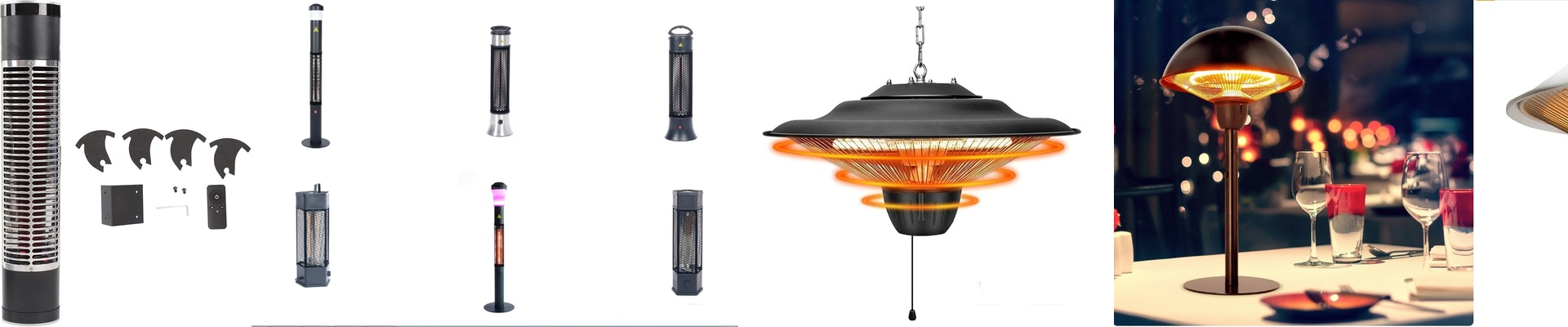
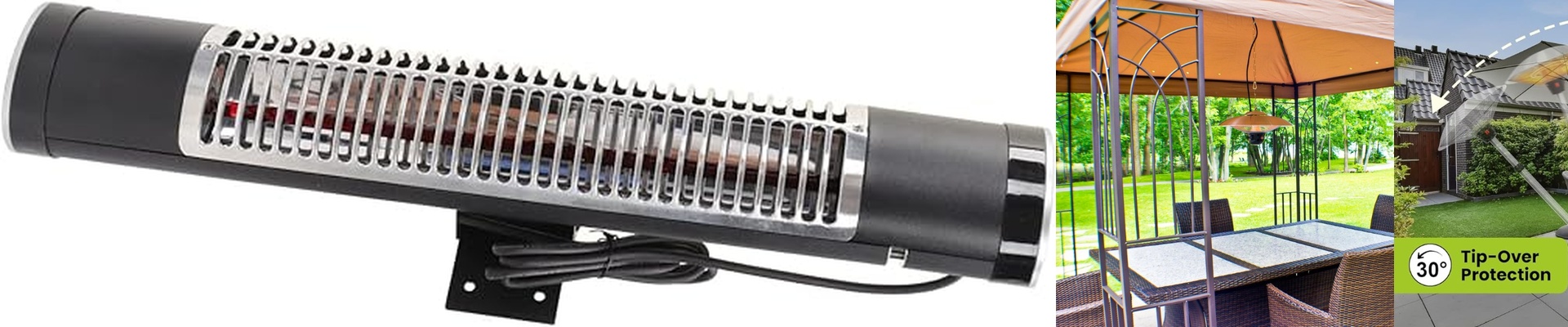


On a job site, that first morning chill isn’t just uncomfortable—it tightens muscles, dulls focus, and stretches every task out longer than it should. We built this CE-certified infrared heater to hit that problem head-on. It throws instant radiant warmth, so work stays safer and steadier, even when the wind is cutting right through the space. What’s actually happening inside This electric infrared heater runs on a quartz tube element, putting out short-wave radiation that warms people and objects directly, instead of trying to heat the air. You feel the heat in seconds, not minutes. On the spec side, it delivers 1.5 kW of focused output and runs on 230 V. No fan means it runs quietly—just the hum of the element, no air noise. It’s built for real work, too. A tip-over protection switch shuts things down if the unit gets knocked over, and the housing is tough enough to sit steady on uneven ground, day after day. Why this approach fits the job In workshops and on construction sites, minutes add up fast. Radiant heat doesn’t get thrown off by drafts, so you can keep working near doorways and open bays without losing the warmth. People stay sharper, fewer breaks are needed just to warm hands, and tools stay steadier in cold fingers. The CE mark matters here. It tells you the heater meets recognized safety requirements for European markets, so you have a clear baseline for compliance and can run it with confidence. A few field notes Infrared works best when you aim it at the people and work areas you actually need to warm, and it performs strongest within its rated coverage zone. Plan on a dedicated circuit that matches the power draw, and keep the heater positioned with proper clearance from combustible materials. The unit is built for tough environments, but it isn’t weatherproof. Keep it out of direct rain and snow—store it under cover or protect it on site. That’s the simplest way to protect the internals and keep performance consistent over time.