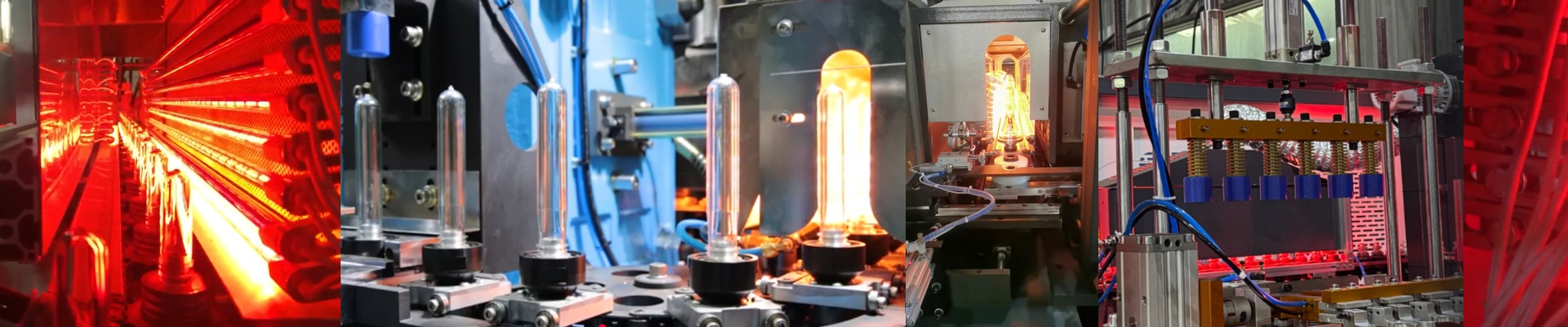
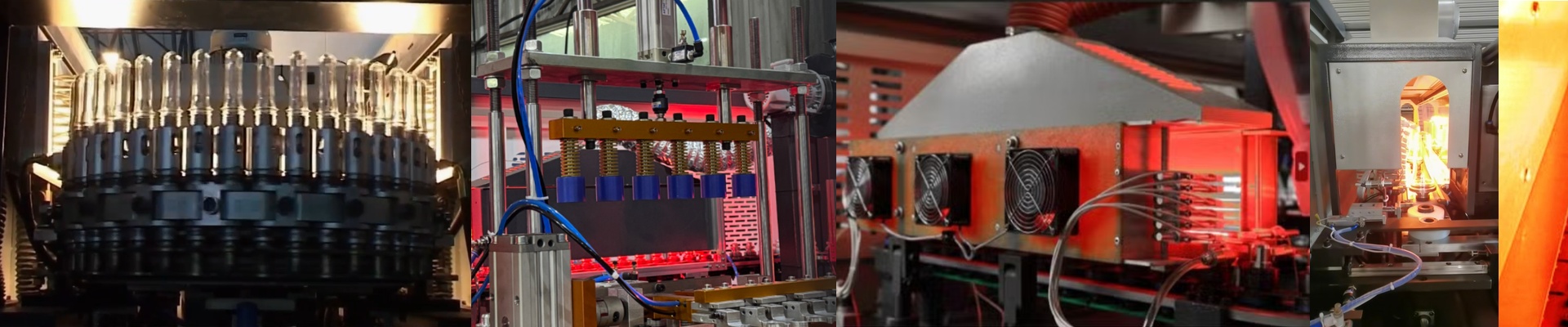
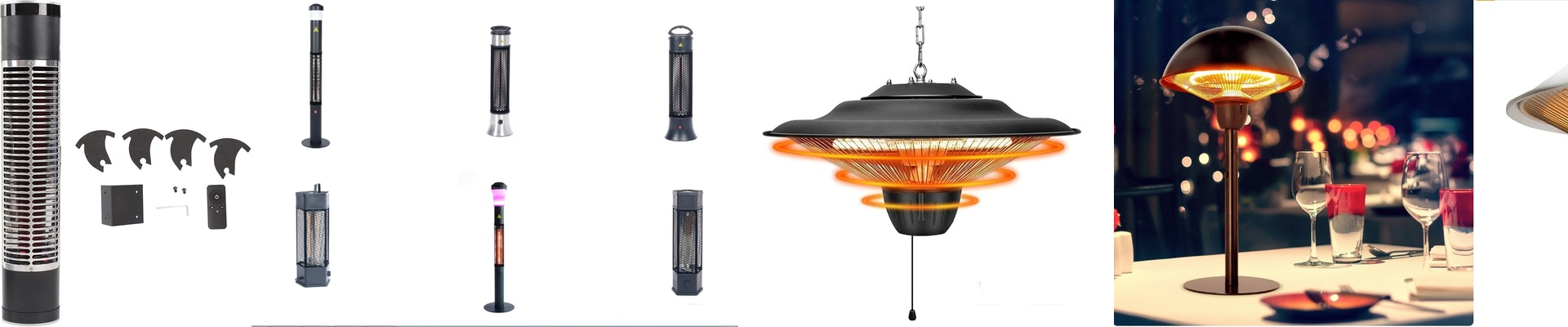
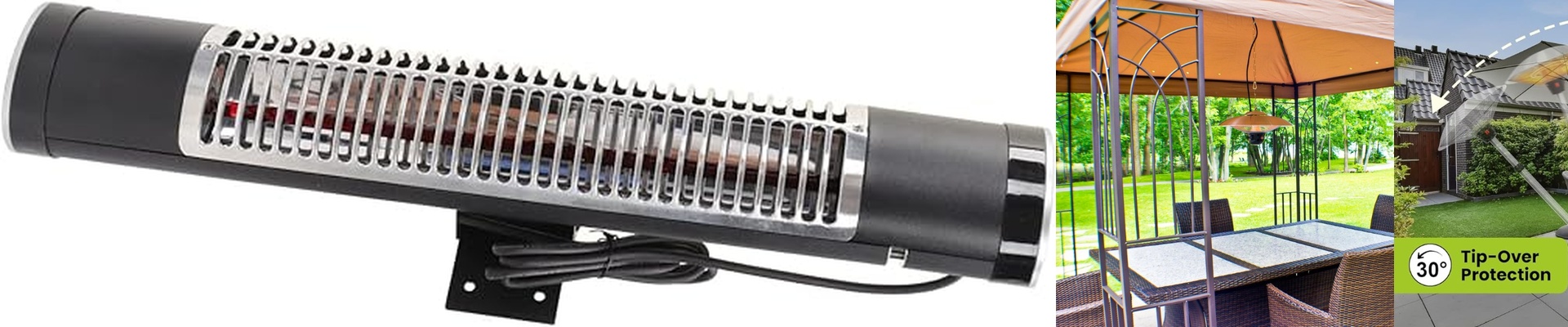
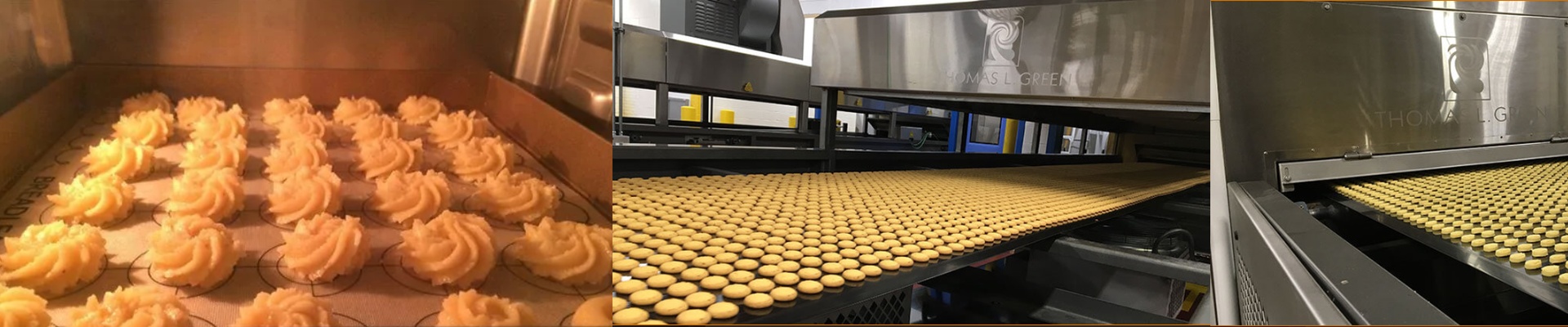
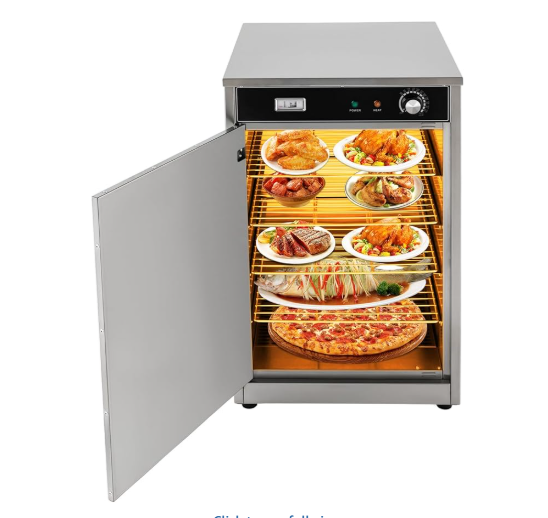
When the dinner rush hits, your deck oven can’t afford cold spots. One underperforming corner and you’re staring at uneven baking—bread pale on one side while the other side over-browns. The buffet lamp ceramic heater was built to fix that, adding localized auxiliary heat right where your oven needs it. What matters under the hood This auxiliary unit runs on a ceramic heating element, chosen because it responds fast and delivers even radiant output without overshooting the setpoint. It runs on standard line voltage, pulls modest current, and mounts compactly so it stays out of the way while throwing targeted warmth. The payoff is a more stable baking chamber temperature, so you get repeatable heat profiles across every pan and sheet. Why it earns its keep in a busy kitchen In the thick of service, consistency is the real performance test. With this heater in place, you get more uniform crust color—gold, not washed out—and texture that stays crisp outside while staying tender inside. It helps even out uneven oven loads, keeps you from chasing the main heat, and supports faster recovery after loading cold pans. Fewer throwaways, fewer re-worked plates, and a calmer line. Here are the practical details Auxiliary heat is a precision tool, not a replacement for your main oven system. It works best when matched to your oven’s size and airflow; oversizing can create localized hot zones, and undersizing won’t close the temperature gap. Installation means respecting clearances to combustibles and running a dedicated, correctly rated circuit. Plan the mounting location so the beam pattern hits the problem area without shining directly on delicate toppings or exposed proteins.