
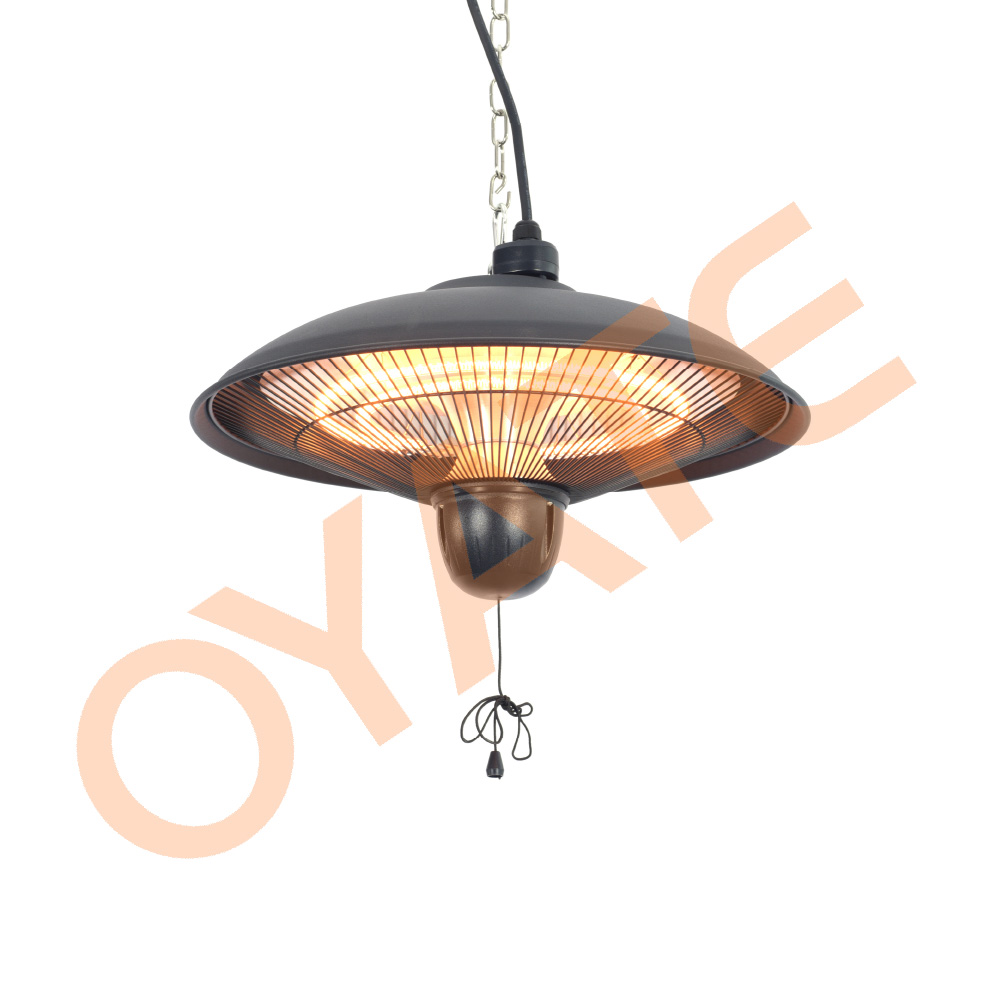
Why Your Bathroom Heater Shouldn’t Be a Gamble
Let’s be honest: bathrooms are a nightmare for electronics. You’ve got electricity and steaming water living in the same small room. It’s a recipe for disaster if you’re using cheap gear. That’s why we built our infrared heaters to be tough. We focused everything on the quartz tube—because that’s where the real battle happens.
The Secret to the Quartz
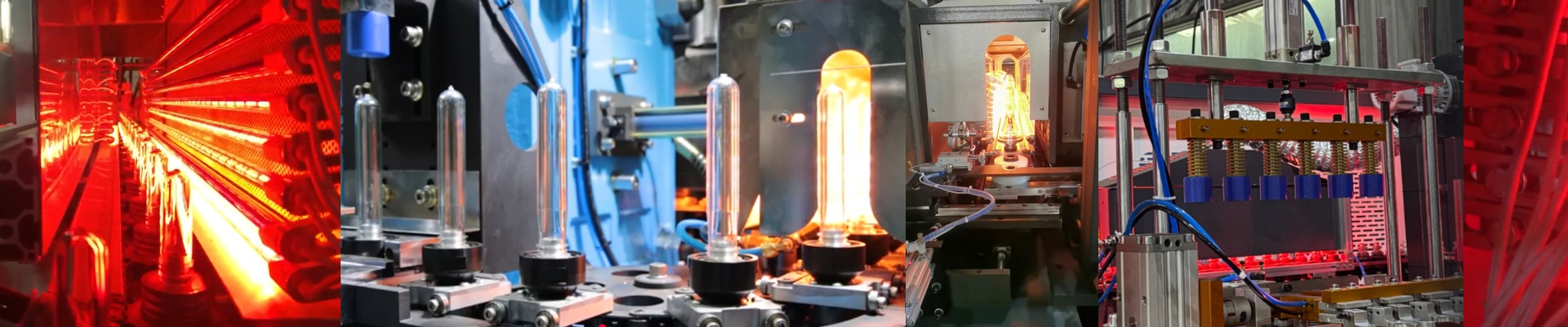
Most glass is temperamental. If it gets hot too fast, or if it’s cold and suddenly hits a peak temperature, it cracks. Simple as that. We use high-purity quartz because it doesn’t freak out when the temperature swings. When you flip the switch, the tube hits its peak heat in seconds. It just handles it. And when we say “explosion-proof,” we’re talking about real-life chaos. Imagine a tiny droplet of cold water landing on a tube that’s 600°C. Standard glass would shatter instantly. Our quartz just takes the hit and keeps on glowing.
Keeping the Water Out
Water getting into the wiring is usually how these things die. To stop that, we went with an IP65 rating. In plain English? The housing is tight enough to keep out dust and can handle water jets hitting it from any direction. We also use high-temperature silicone gaskets where the wires enter. It stops steam from sneaking into the terminal block and causing a short. One quick tip: we use heavy-gauge wiring to keep the power steady. Just make sure your circuit breaker can handle the initial surge when the lamps first kick in, otherwise, you’ll be walking back to the electrical panel more often than you’d like.
The Honest Trade-offs
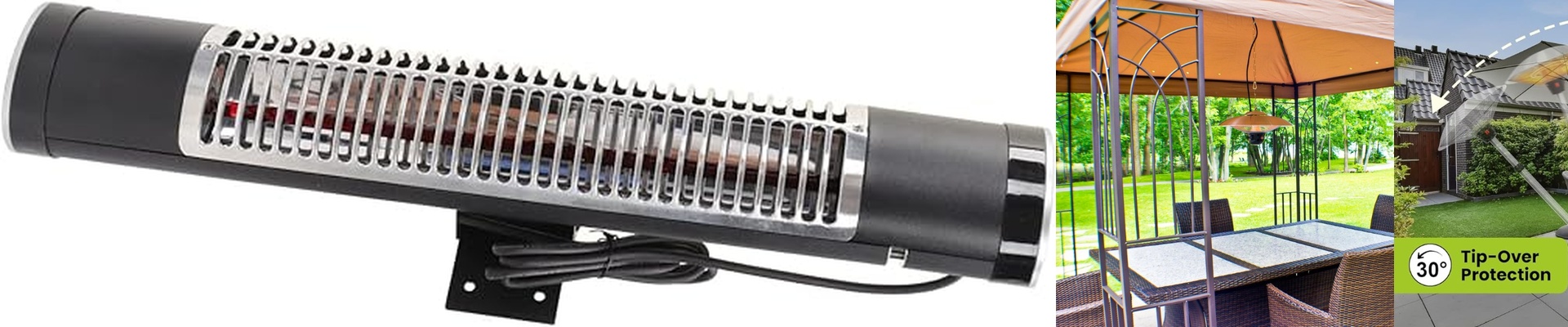
Here is the thing about quartz lamps: they give you that immediate, cozy radiant heat. It feels way better than just blowing hot air around the room. But that kind of heat is intense. Because of that, the rest of the fixture has to be made from ceramics or heat-resistant alloys. If you see a heater made of cheap plastic, run the other way—it’ll warp and melt over time. Just give your heater about 15cm of breathing room from anything flammable. It’s a small detail, but it’s the difference between a warm morning and a very bad day.