

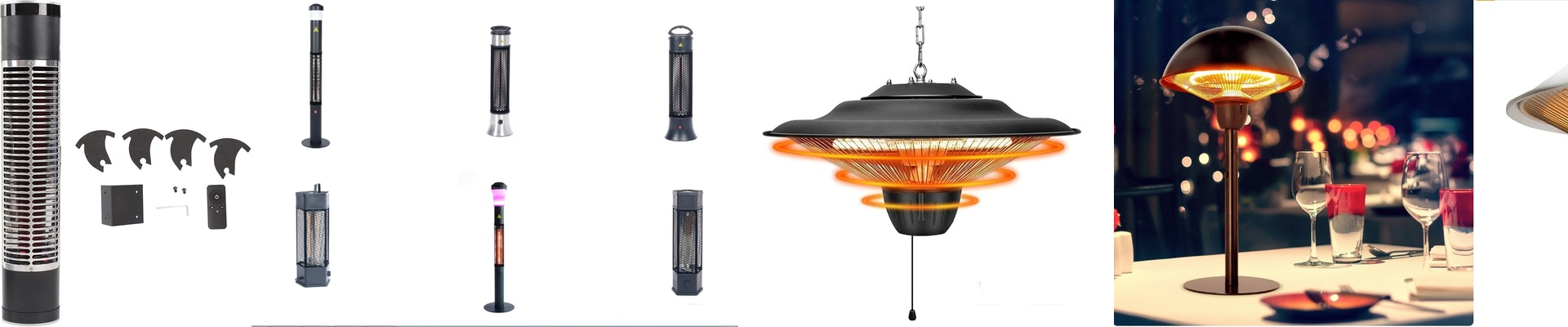
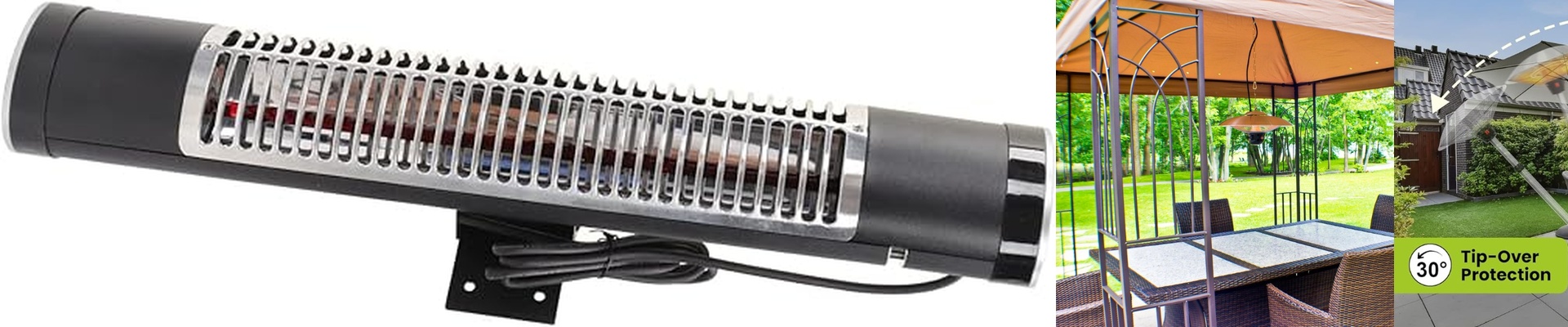
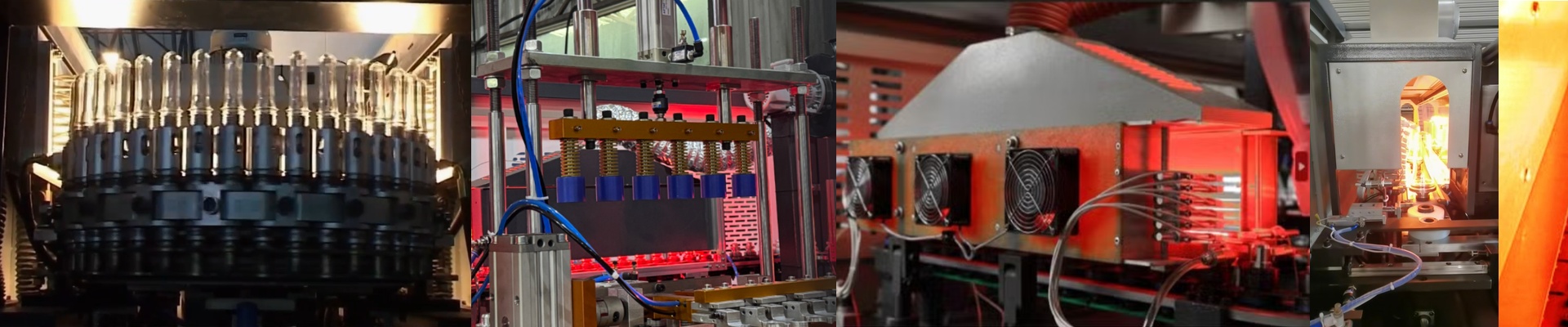
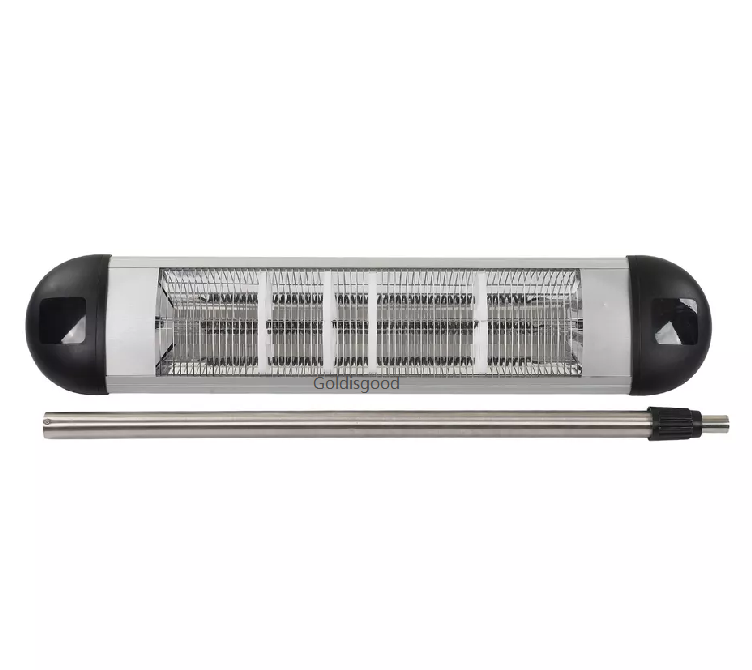
Outdoor heaters have a tough life. Between the rain, the humidity, and those wild temperature swings, most units just can’t keep up. When we built our best-selling heaters, we didn’t want to make something that only worked on a perfect spring day. We focused on the stuff that actually breaks: the heating element and the guts of the electronics. The battle against moisture Here’s the problem: when water droplets land on a scorching hot infrared tube, it creates these tiny, intense “hot spots.” The glass expands unevenly, and—snap—it cracks. To stop that, we use anti-fogging treatments and tight seals to keep the element bone-dry. It keeps the condensation from settling on the tube in the first place, so you don’t have to worry about the glass fracturing the second you flip the switch on a cold night. Built for the splash Most heaters die the moment a bit of rain or a stray cleaning spray hits the electrical terminals. It’s a quick way to fry a control board. We solved this with sealed gaskets and coatings that literally push water away. Instead of seeping into the wiring, the water just beads off the chassis. It means your heater can take a beating from the weather without turning into an expensive paperweight. The tricky part: Airflow Now, there’s a catch. If you seal everything too tightly to keep water out, the unit can’t breathe. It’s a balancing act. We use strategic venting that lets the heat escape but keeps the liquids out. Just a heads-up: if you’re installing these in a tiny, enclosed space, keep an eye on the temperature. You don’t want the internal sensors to get too toasted. What this means for you At the end of the day, we’ve pushed the “failure point” away from the expensive electronics. You aren’t going to be replacing the whole unit because of one fried circuit board or a cracked tube. It’s just reliable. You can mount them in a busy patio area where you don’t want to be climbing ladders for repairs every few months, and they’ll just… work.