

Keeping Things Warm Without Blinding Your Guests
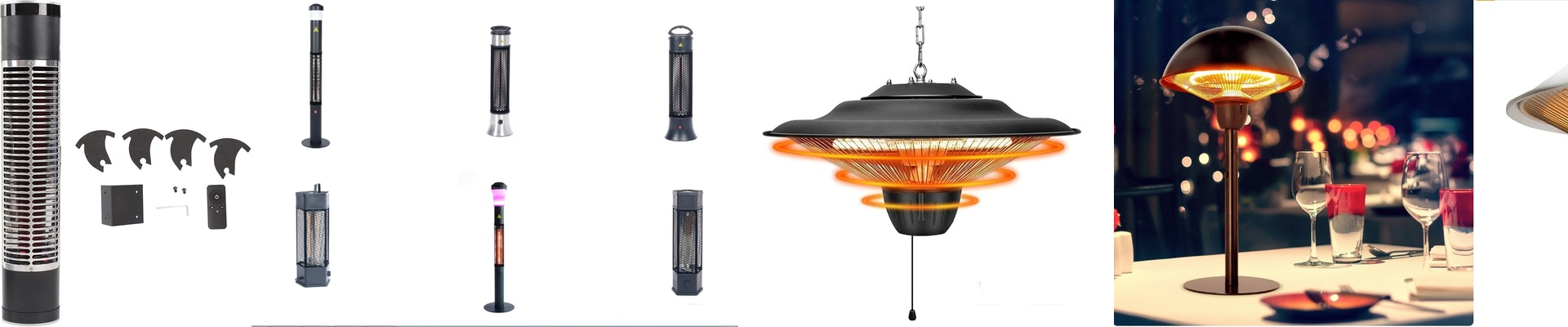
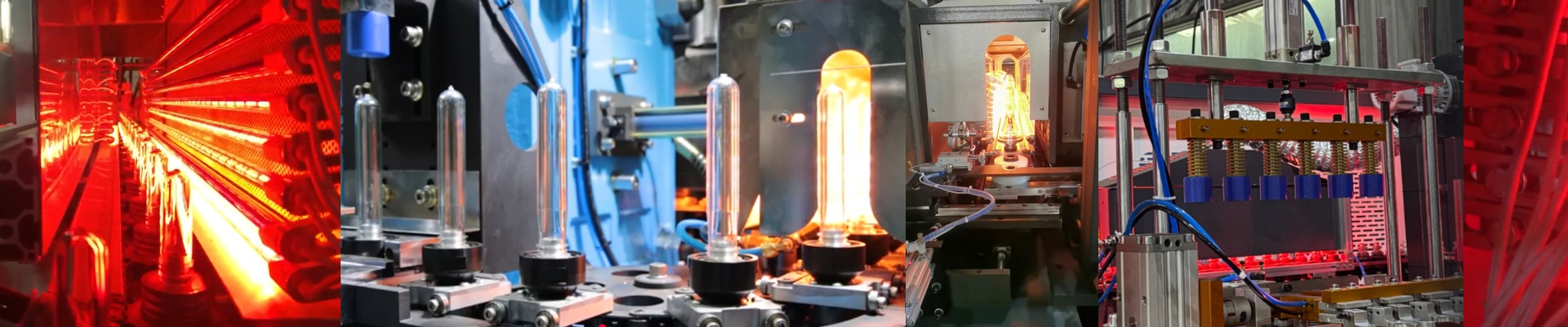
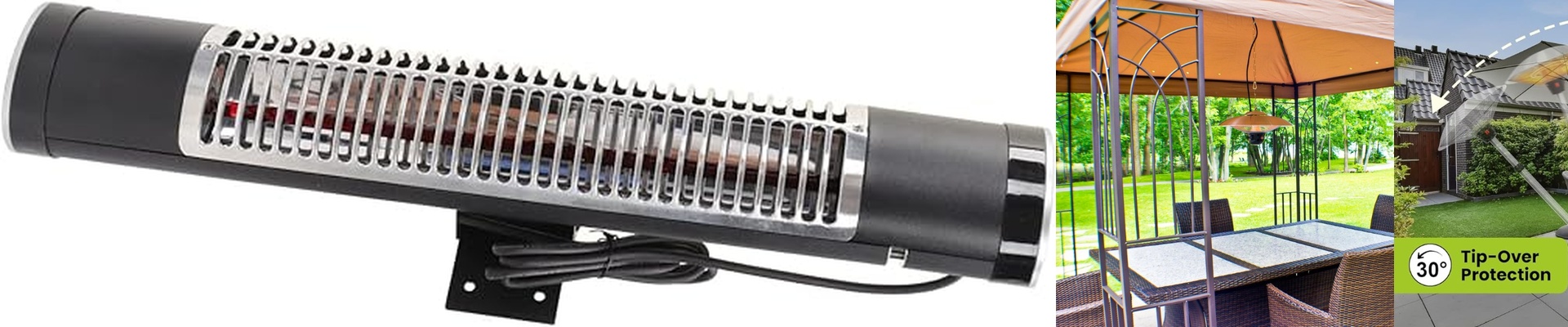
When you’re putting together infrared lamps for a bathroom or a backyard pergola, the goal isn’t just to crank up the wattage. It’s actually about the light. See, standard short-wave lamps can be brutal. They put out a harsh glare that strains your eyes. If you’re installing these in a nursery or a bathroom where there are babies around, that kind of light is a total non-starter. The secret to “eye-safe” heat We handle this by shifting where the energy peaks. Instead of just letting raw radiation fly, we use doped filaments or special quartz coatings. Think of it as a filter that kills off that annoying blue-light spike. You still get all the cozy warmth you need, but the light stays soft. You won’t get that “blinding” feeling you find with those cheap industrial heaters. Dealing with the damp If you’re putting these in a wet zone, you can’t cut corners on the seals. We wrap the elements in sealed quartz glass because if even a little bit of moisture hits that filament, the whole thing will pop in a matter of hours. We usually stick with R7s or heavy-duty connectors. They keep the electrical contact tight and stop the humidity from eating away at the metal. The trade-off Here’s the thing: you can’t have it all. When we filter out those frequencies to protect your eyes, you lose some of the brightness. These aren’t meant to be light bulbs. They’re heaters. If you need to light up a whole room, these aren’t your best bet. They’re built for comfort, not for illumination. One last tip: make sure your wiring is grounded and your breaker is sized correctly. These tubes pull a lot of current, and in a damp room, you really don’t want to be dealing with a tripped breaker every ten minutes.