
Why Your “Waterproof” Heaters Keep Dying
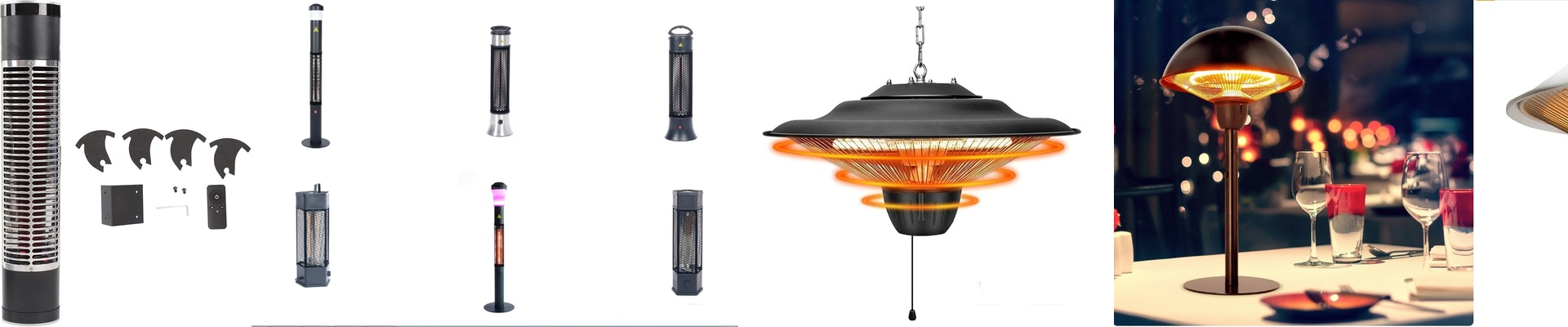
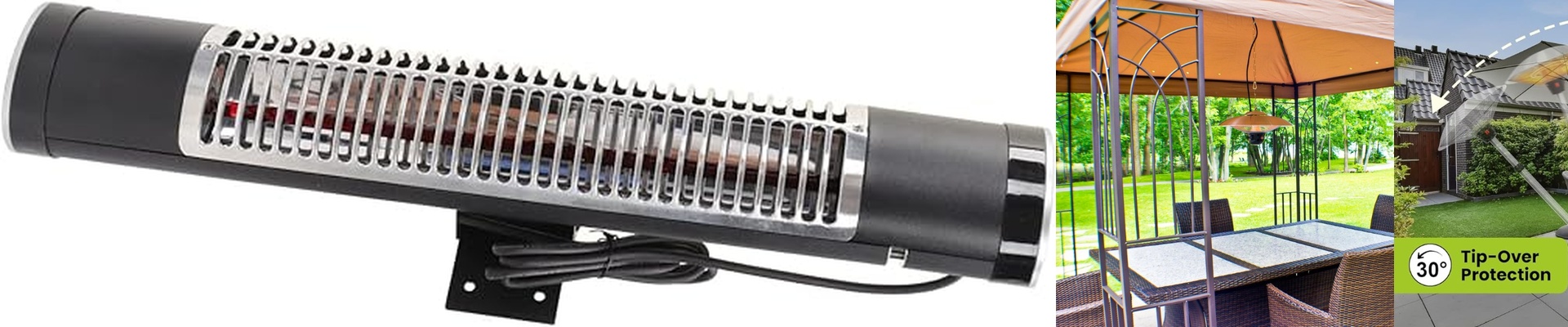
You’ve probably seen plenty of table heaters boasting an IP55 rating. On paper, they’re waterproof. In reality? They usually die at the lead-wire junction. Here is the problem: the spot where the power wire actually enters the heating element is a war zone. It’s constantly expanding and contracting as it heats up and cools down. That thermal cycling just beats the hell out of the connection. The trap of cheap sealing Most assembly lines just slap some basic silicone or glue around the wire entry and call it a day. But that stuff isn’t meant for this kind of heat. It shrinks. It cracks. Once that seal gives way, it’s game over. Steam and oils sneak inside, things start to carbonize, and then—pop—you’ve got a short circuit. We see this all the time with heaters that get hosed down with chemicals or live in steamy environments. How to actually fix it If you want a heater that doesn’t quit, you need a better approach. We use a high-temp fluorosilicone paired with a mechanical compression fit. It creates a gas-tight seal that doesn’t care when the element hits peak temperature. It just holds. Then there’s the wire itself. If you use standard PVC, the insulation will literally melt into the chassis in a few weeks. We use fiberglass-braided silicone wire instead. It stays flexible, handles the heat, and doesn’t turn into a puddle. A few things to keep in mind There is a trade-off here. An IP55 seal keeps the splashes out, but it also traps heat inside the housing. This means the internal temperature climbs faster than it would in an open-frame heater. Make sure your mounting brackets allow for plenty of airflow. If you choke the air, you’re just aging your internal wiring faster. And one last tip: check your cable glands. There is nothing worse than buying a perfectly sealed heater only to have the whole system fail because the junction box was the weak link. Match your ratings, or you’re just wasting your money.