
Ever notice how a display window fogs at the edges, or how a lab bench can’t tolerate the slightest stir of dust? Standard heaters that push air around are the problem. They kick up particles, create uneven temperature swings, and introduce drift that can throw off a critical cycle.
What we built—and why it matters
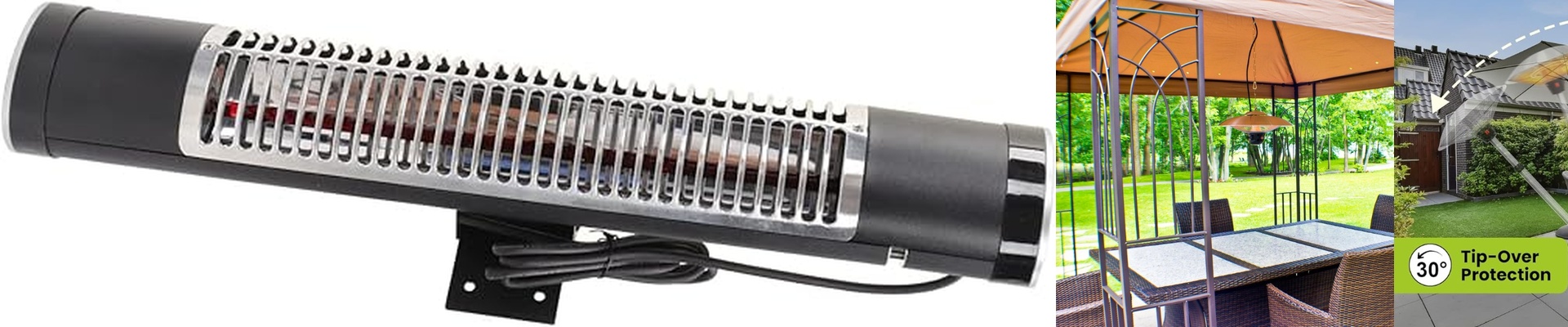
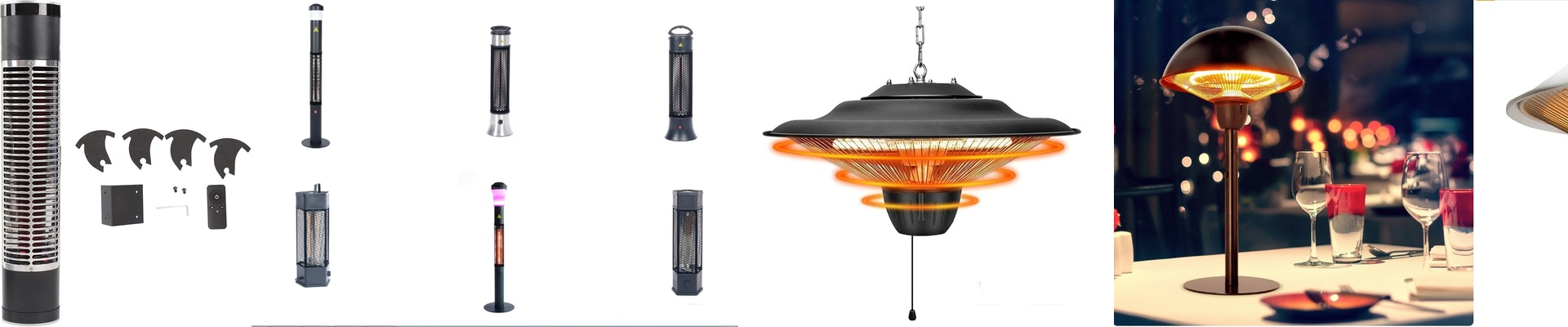
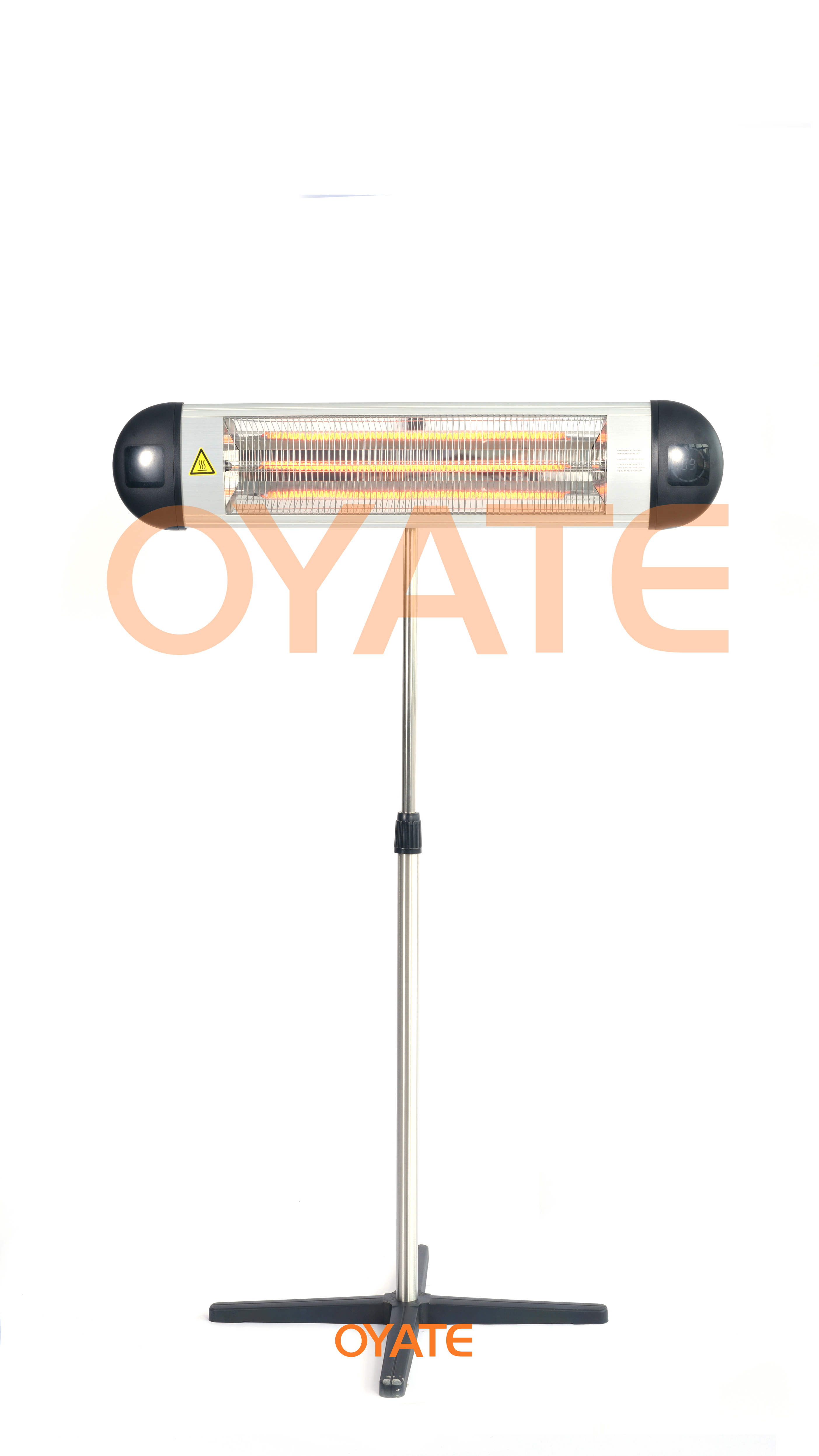
We built this custom-logo infrared heater around radiant heat, plain and simple. No forced air, no fans to spread debris or dry drafts over sensitive instruments. A quartz element delivers immediate, directional warmth exactly where you need it, when you need it. It runs on standard 220–240V, pulling 1.5–2.0 kW depending on the model, and the footprint is compact enough for tight spots—roughly 300–450 mm long. Short-wave gives you fast, high-intensity heating; medium-wave keeps things steadier and gentler. A built-in thermostat holds the setpoint, and during normal operation the exterior stays cool to the touch. The custom logo panel is finished so it wipes clean—branding stays crisp even in a busy environment.
Where this shines
In display windows, infrared warmth keeps glass clear and prevents that clammy feel on fabrics. Merchandise looks its best without condensation or glare. In high-precision labs, the no-fan design is the key. No air movement means dust stays settled and airborne contaminants don’t get recirculated. Components warm steadily, test cycles stay consistent, and people can work comfortably without chasing hot spots. Energy use stays focused, not scattered. You’re heating the surface and the people nearby, not the whole room, which helps keep operating costs predictable. And after door openings or power interruptions, the heater restarts quickly, so temperature drift stays minimal.
The practical details
Infrared warmth is directional, so placement matters. Mount the unit 1.5–2.5 meters above the target area and angle it to cover the zone evenly. If you need to cover a larger footprint, run two units and overlap them. You’ll see a warm glow from the element—this is normal and doesn’t interfere with most lab lighting or display visibility. Because it’s an electric radiant heater, wire it to a dedicated outlet or circuit with proper overcurrent protection. If you’re running it near sensitive optical equipment, verify that EMI and light levels are within your tolerance. This unit is designed for indoor use. If you need outdoor heating, step up to a dedicated outdoor electric heater rated for weather exposure.