Why Your Towel Rail Keeps Dying (and How We Fixed It)
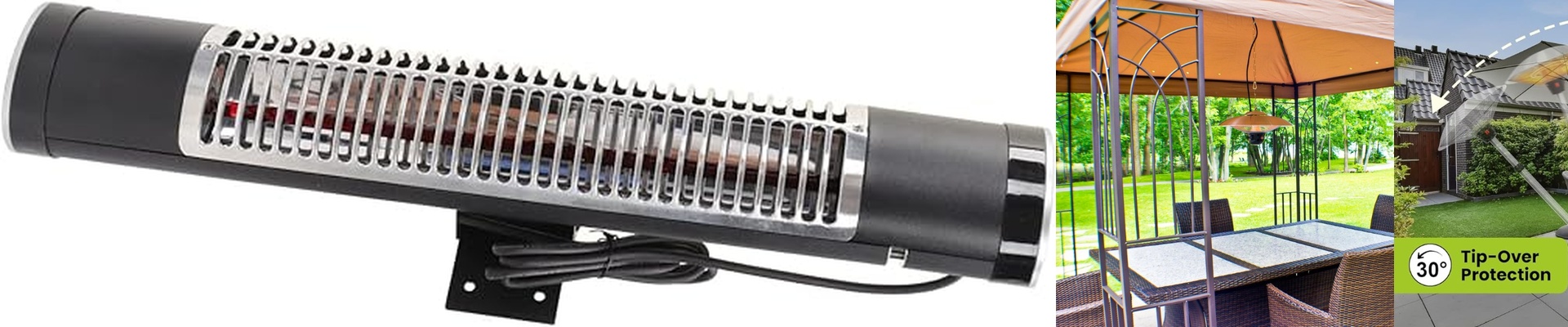
If you’ve ever had an infrared towel rail quit on you, it probably didn’t happen in the middle of the heating element. It happened at the connection. Here’s the deal: when these units get cranking, the lead wires take a serious beating. A lot of the cheap stuff on the market uses basic glue or loose crimps to hold everything together. It works for a while. But as the unit heats up and cools down, that cheap assembly starts to fail. The insulation gets brittle, cracks, and eventually, you get a short circuit. It’s a mess.
The real reason wires fail
Standard wiring just isn’t meant to live in the kind of heat an infrared element puts out. Over time, that heat creeps from the heater into the wires. Think of it like baking a piece of plastic in an oven. The insulation hardens. Then it cracks. Once that protective layer is gone, the wires can touch or arc. We see this all the time in those budget builds where the “seal” between the quartz tube and the wire is basically just a glob of glue.
Doing it the right way
We decided to do things differently. Instead of just hoping for the best, we use a multi-stage sealing process to keep the electrical connections away from the heat. It’s not about making it look pretty. It’s about moving the “heat zone” further away from the sensitive parts. We use high-temp silicone gaskets and precision-compressed ferrules to build a physical wall. This keeps oxygen and moisture out, which stops the wires from oxidizing and creating those dangerous, glowing hotspots. The result? A connection that doesn’t fall apart after a few hundred hours of use.It just lasts.
A couple of things to keep in mind
Now, there is a trade-off. Because our seals are so sturdy, the lead-out wires are a bit more rigid. If you’re installing these, please don’t bend the wires into a sharp angle. You’ll stress the seal and could potentially crack the potting compound. Just give them a gentle, natural curve and you’re golden. Also, remember that while our seals can handle a lot of heat, your housing still needs some breathing room. If you box the unit in too tightly and kill the airflow, even the best seals in the world can’t stop the ambient heat from eventually baking the wires. Give it some air, and it’ll take care of you.