Stop the Burn-Out: Better Heating for Your PET Lines
If you’re running SIG Blomax or Krones Contiform 3 lines, you know the frustration of lamps burning out. It’s a pain. It stops production, kills your rhythm, and usually happens right when you can’t afford the downtime. Most of the time, it’s not a fluke—it’s just that the quartz isn’t strong enough or the heat isn’t moving where it should. We built our replacement lamps to fix that. They’re simple drop-in swaps, but they’re toughened up to break that endless cycle of replacing bulbs.
Getting the Heat Right
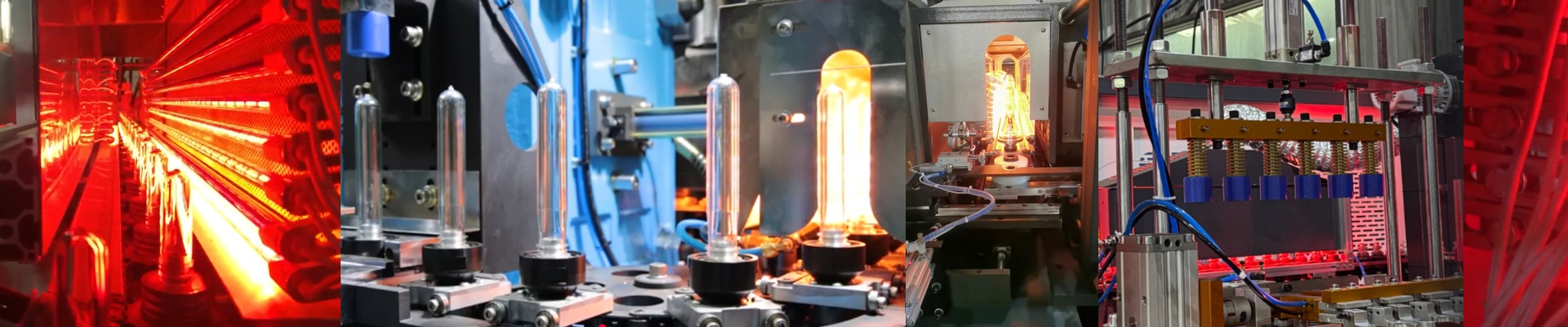
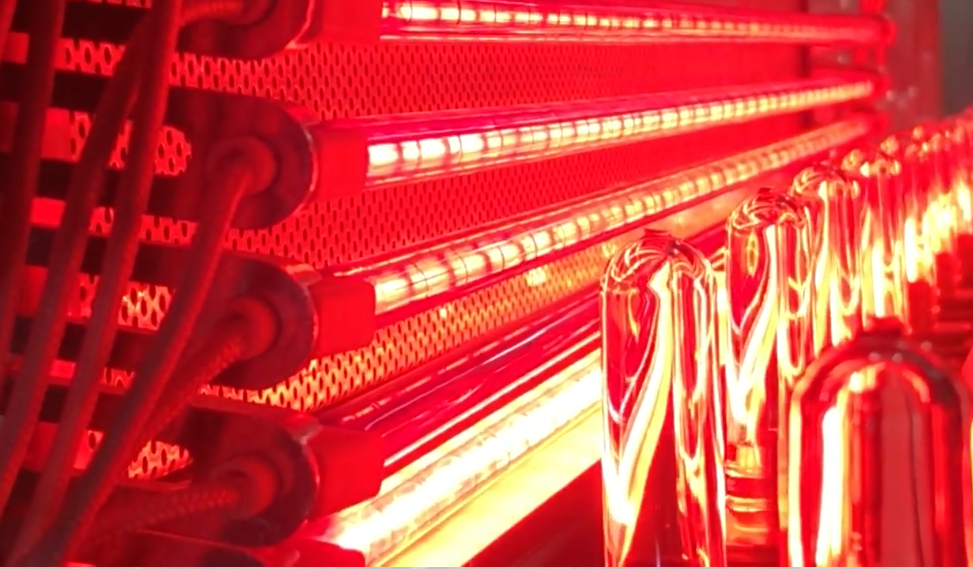
To get those PET preforms just right—with walls that are actually uniform—you need a lot of heat, and you need it fast. We make sure our lamps hit the exact wattage and voltage your OEM oven expects. These high-wattage shortwave lamps give you that concentrated punch of heat. But here’s the trick: you have to balance the filament tension with the thickness of the quartz. Too thin, and the lamp snaps the moment it hits a thermal shock. So, we thickened the envelope. It’s a small change that makes a huge difference in how long the lamp actually lasts.
Built for the Grind
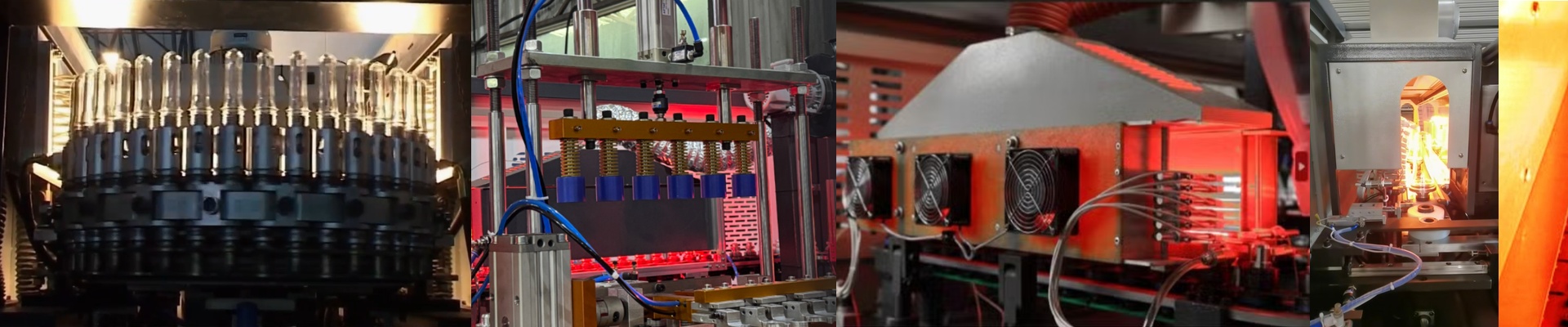
Production lines are brutal. The constant switching between intense heat and cooling puts a massive strain on the glass. That’s why we use reinforced quartz. It can take a beating. We also made sure the connectors match your OEM footprints perfectly. You just snap them into the existing sockets. No rewiring, no fuss, no headaches. We also spent a lot of time on the seal between the electrode and the glass. That’s the “weak spot” where cheap lamps usually leak or crack. A tighter seal means the lamp stays alive longer.
A Bit of Shop-Floor Truth
Now, look—these lamps are tough, but they aren’t magic. They put out an incredible amount of heat. If your cooling fans are clogged with dust, the lamp is going to overheat and pop, no matter how reinforced it is. And please, keep your reflectors clean. When a reflector gets dirty, it bounces the heat back into the lamp instead of into the preform. That basically cooks the filament from the inside out. Keep them shiny, and your lamps will thank you.