Getting Your Sidel Matrix Heat Exactly Right
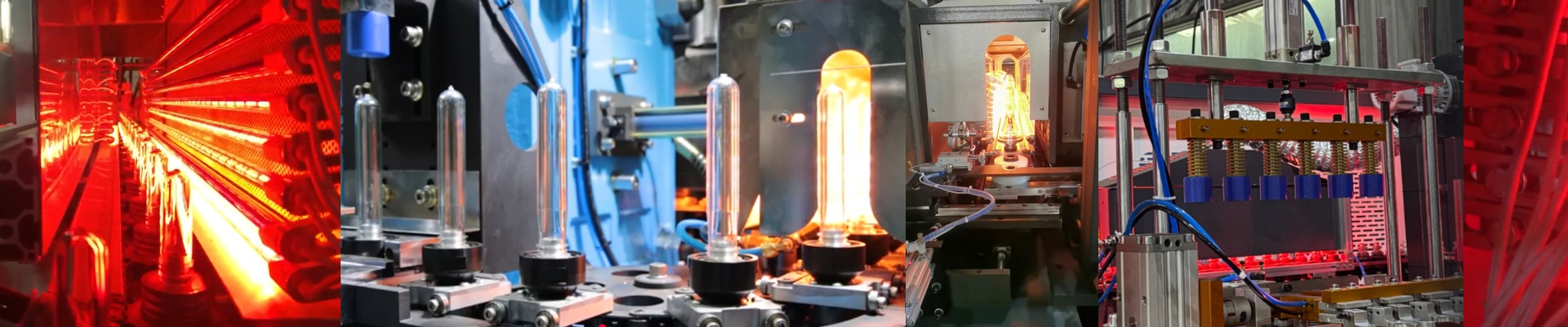
When you’re looking for a replacement lamp for a Sidel Matrix, “close enough” just doesn’t cut it. If the specs are off by even a hair, you’re asking for trouble. That’s why we built the SBO 2002406262 to be a mirror image of the original. We focused on the wattage, voltage, and spectral output so your PET preforms hit that sweet spot—the glass transition temperature—without accidentally overheating. The danger of “almost” Here’s the thing about voltage and wattage: they have to be spot on. If the voltage drifts, the infrared wavelength shifts with it. That sounds technical, but on the shop floor, it looks like a disaster. You get uneven heating, which means you end up with thin walls or that annoying pearlescence in your bottles. Plus, we kept the resistance values locked in tight. You don’t want your power controllers throwing a fit and triggering errors halfway through a run. What’s under the glass We use high-purity quartz because these lamps take a beating from rapid heating and cooling. Inside, there’s a halogen cycle that keeps the tungsten filament from evaporating too fast. In plain English? The lamp doesn’t dim as it ages. But the real secret is the coating. We added a specific infrared-reflective layer. Instead of letting the heat soak back into the oven housing, it pushes everything forward, right into the preform where it belongs. Swapping them out These are true drop-in replacements. You won’t need to mess with your wiring or dive into your PLC settings. Just pull the old tube, pop the new one in, and run your usual profile. One quick tip: these shortwave lamps put out an incredible amount of localized heat. Make sure your oven’s forced-air cooling is clean and nothing is blocking the airflow. If the air doesn’t move, the lamp ends can bake themselves out at the contact points, and nobody wants to deal with a premature burnout.