Stop Fighting Your SIPA Oven: How to Fix Those Pesky Heat Fluctuations
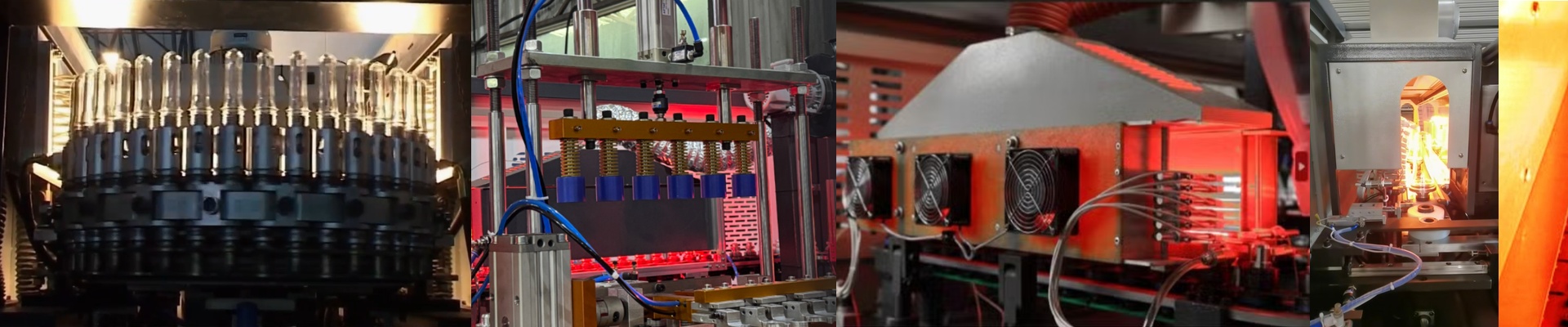
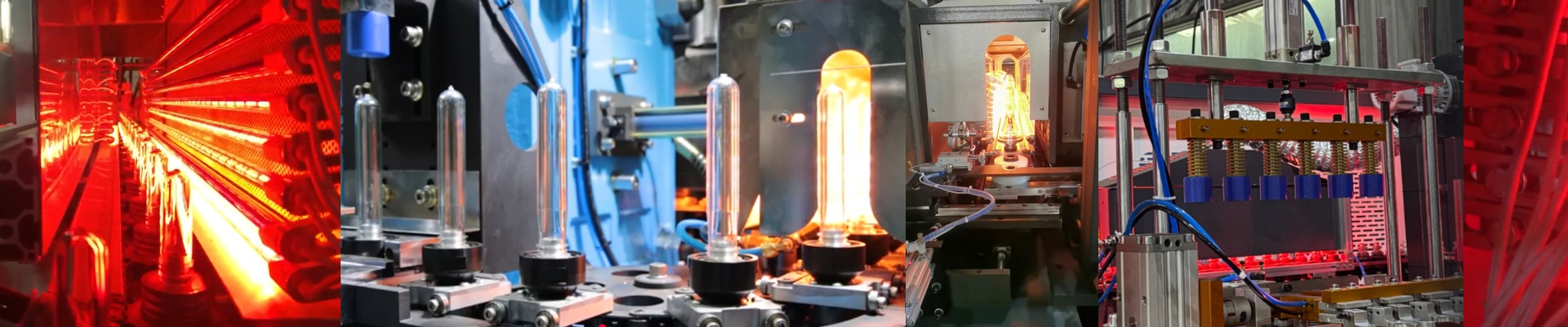
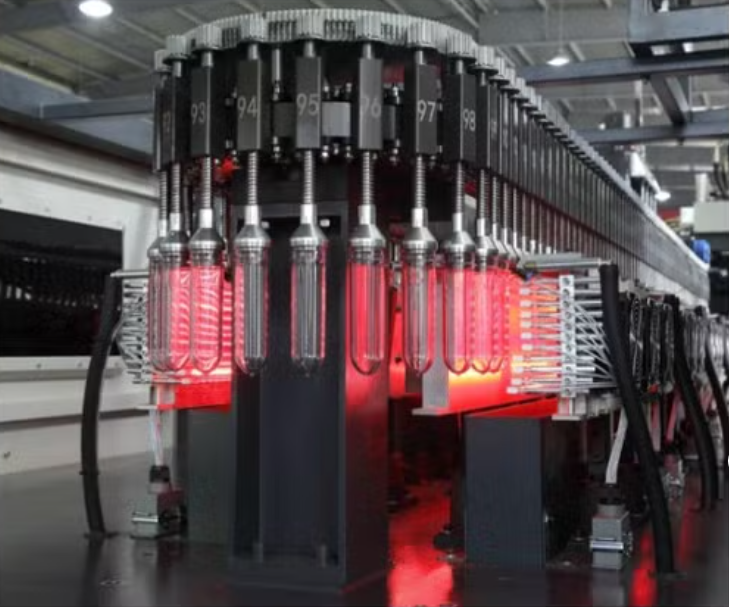
Ever feel like you’re playing a guessing game with your PET bottles? One minute they’re perfect, the next you’ve got thin walls and skewed shapes. It’s frustrating. If you’re running a SIPA rotary machine, the culprit is usually simpler than you think: your lamps aren’t talking to each other. Here is the thing. When you mix and match old lamps with new ones—especially ones that don’t hit those original Krones-style specs—you end up with “cold spots” in the oven. It’s like trying to bake a cake in an oven where one corner is freezing. It just doesn’t work. The secret is in the power. We make our infrared lamps to hit 100% of the original machine specs. Why? Because even a tiny 5% difference in voltage or wattage throws the whole thermal profile off. When every tube in the oven puts out the exact same amount of energy, life gets a lot easier. You can stop obsessing over your PLC settings and stop tweaking the machine every time a lamp ages. You just set it and forget it. Built to actually fit. We use high-purity quartz glass because these things take a beating with rapid heating and cooling. They’re shortwave halogen lamps that use R7s or Sk15 connectors. And a quick tip: make sure those connections are tight. A loose fit creates resistance, which makes the socket overheat and eventually burn out. It’s a pain to deal with. That’s why we build these as drop-in replacements. No rewiring, no modifying the holders—just slide them in and get back to work. One thing to keep in mind… High-wattage lamps are great because they ramp up fast, which is exactly what you need for high-speed lines. But there’s a catch. All that power in a small space creates a lot of ambient heat. If your blower motors are struggling or your cooling vents are clogged with dust, the oven will soak in that heat. Even the best quartz in the world can’t survive that. Keep your vents clear, and your lamps will last much longer.