Introduction
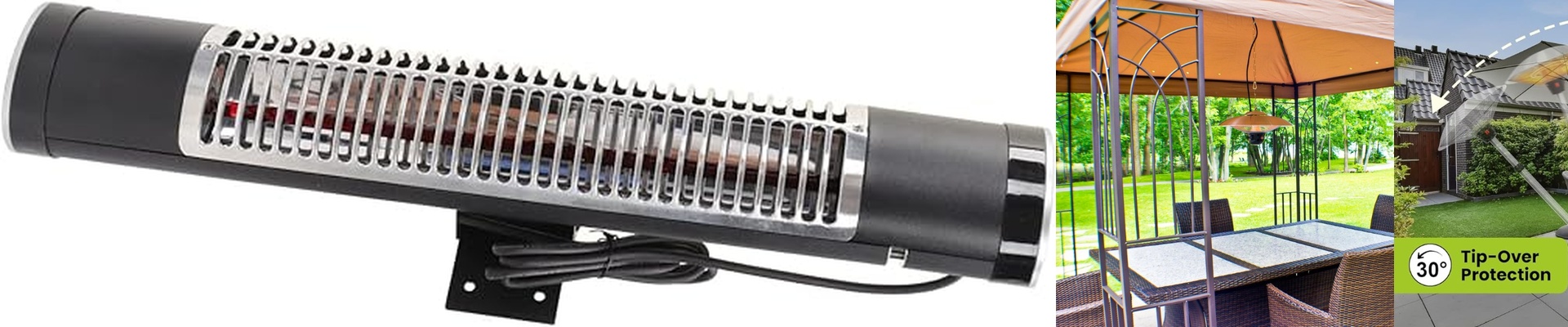
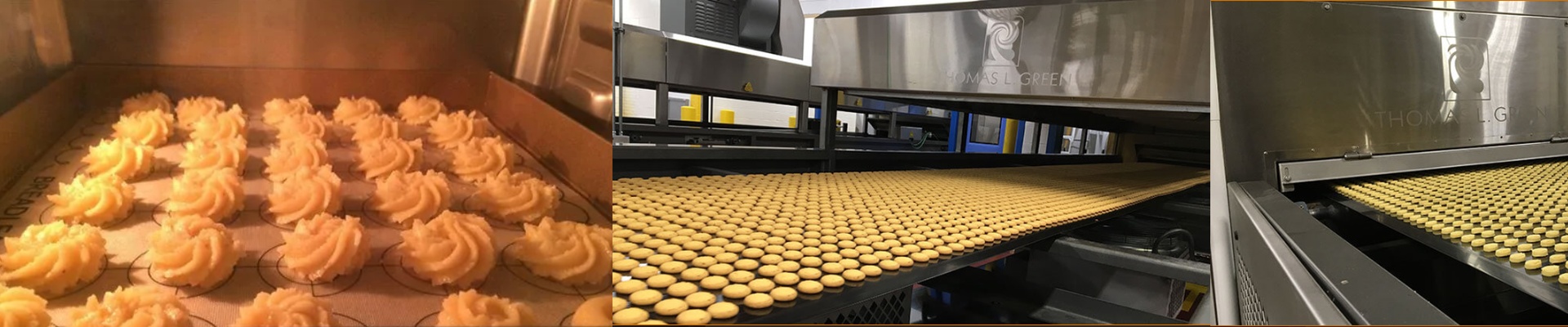
We built this 800W infrared heater for one reason: rotary ovens. If your oven is stuck waiting on warm-up, that’s where you fix it. This unit packs serious heat into a small footprint, so you can cut the idle time and keep things moving.
The Why Behind the Specs
That 800W rating isn’t random. It’s exactly enough power to heat the oven chamber without tripping over the control circuitry. It runs on standard industrial voltage, so the wiring is straightforward—no need to rework the electrical cabinet. And the length? It’s matched to the reflector assemblies already in your rotary oven. Swapping it in is a straight swap, no re-engineering.
Material & Design, Made Practical
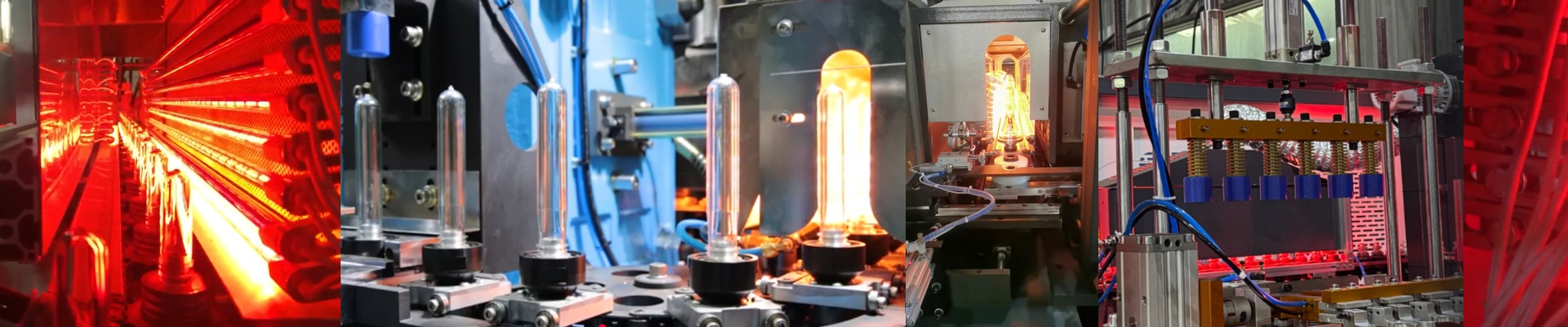
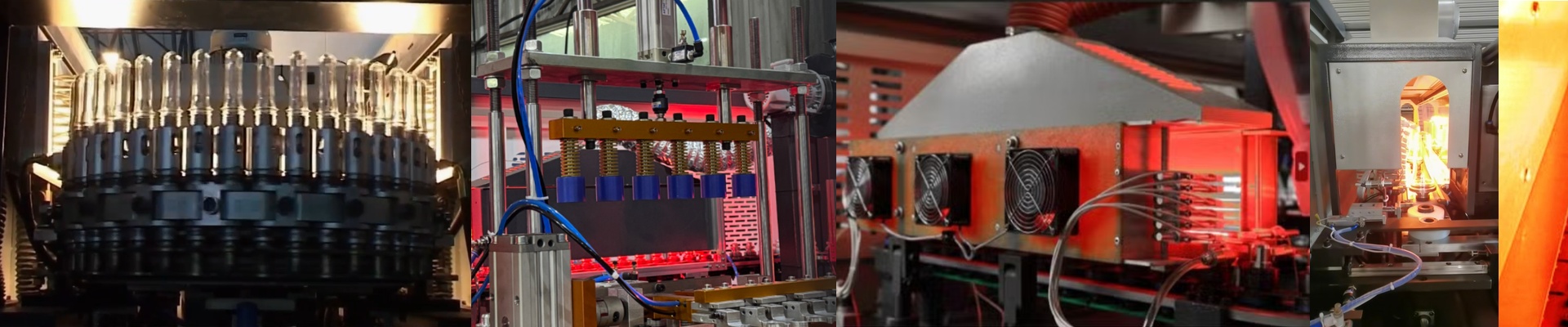
The core uses a quartz envelope with a halogen fill. That gives us two big wins: the filament responds fast, and the output stays steady even after repeated on/off cycles. The shortwave infrared targets the product or pan directly. It doesn’t waste time heating air that then has to transfer heat to the load. The R7s connector is a no-brainer. It’s proven, handles high temperature, locks in place, and handles the vibration from the rotating drum. Wire it once, and it stays put.
What It Feels Like on the Line
In a rotary oven, the element takes a beating—constant thermal cycling and mechanical shock as the drum turns. This design handles that environment and comes right back to full output after every bake. So you don’t have to bake your schedule around the heater. The payoff is clear: shorter warm-ups, more consistent temperature recovery, and fewer idle minutes. Now, the trade-off: that 800W density needs proper airflow and reflector alignment. If the chamber can’t shed heat, the control system will limit power. For engineers, this is a drop-in upgrade when the goal is faster ramp-up and repeatable temperature control.