Getting Your Heat Right: Sidel Matrix IR Lamps
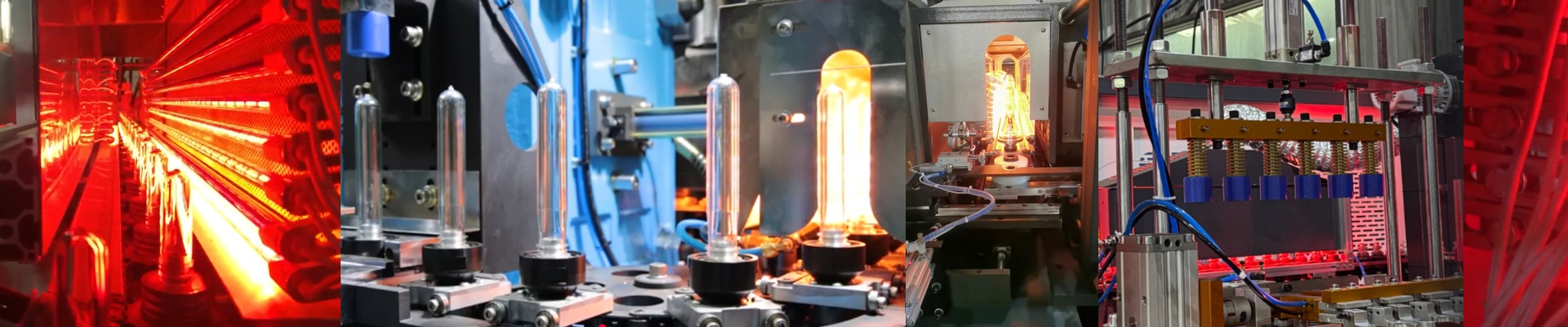
Here is the problem with swapping out your original Sidel Matrix lamps for third-party ones: the heat curve almost always shifts. It sounds like a small thing, but it’s not. If the wattage or spectral output is off by even a tiny bit, you’re in trouble. Your PET preforms will either stay too cold—leaving you with that annoying stress whitening—or they’ll overheat and turn pearlescent. Neither is a good look. The electrical side of things We don’t do “close enough” with our specs. We build these lamps to match the original benchmarks exactly. Why? Because a Sidel Matrix system is picky. If the ohms aren’t just right, you risk tripping the power supply or under-driving the filament. We also make sure the length and connectors are spot on. You just drop them in. No messing around with the oven racks or trying to make things fit. It’s all about the quartz The way a Sidel oven transfers heat relies on short-wave infrared radiation. To keep that same “feel” as the OEM, we use high-purity quartz glass and specific halogen gas fills. This means the heat actually sinks into the PET wall at the rate you expect. We also obsess over the filament’s surface density. If you cram too much wattage into a small space, the lamp burns out way too fast. Spread it out too much? You lose the ramp-up speed you need when you’re blowing bottles at high speeds. A quick reality check High-wattage IR lamps put out a massive amount of heat. Our lamps match the original thermal curve, but they can’t do the work alone. Keep your oven reflectors clean. Seriously. If you’ve got carbon buildup or dust on those reflectors, it kills the precision of the lamp. You’ll find yourself cranking up the power to compensate, and that’s the fastest way to kill your tubes. The goal here is simple. You wire them up, calibrate your zones, and your heating profile stays exactly where it was when the machine left the factory.