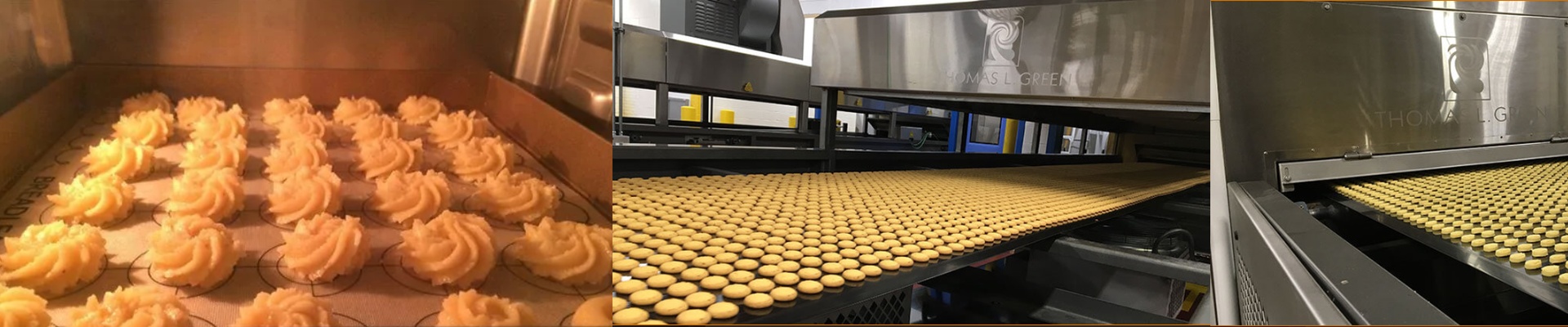
When the rush hits and ticket times tighten, uneven heat makes a simple bake feel like a roll of the dice. Hot spots burn the crust while cold zones leave dough doughy, and holding food turns into a tug-of-war between drying out and staying safe. In a busy shop, that inconsistency eats time, product, and margin.
What matters under the hood
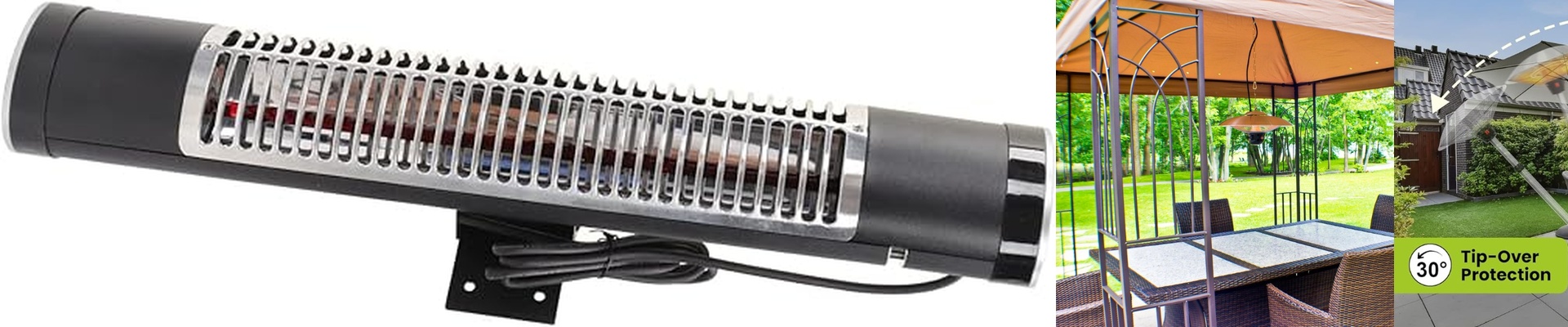
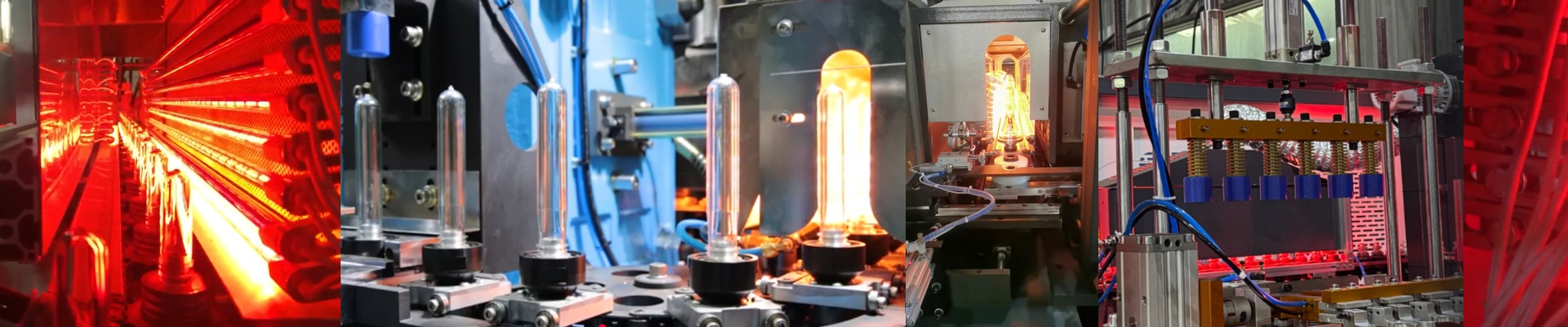
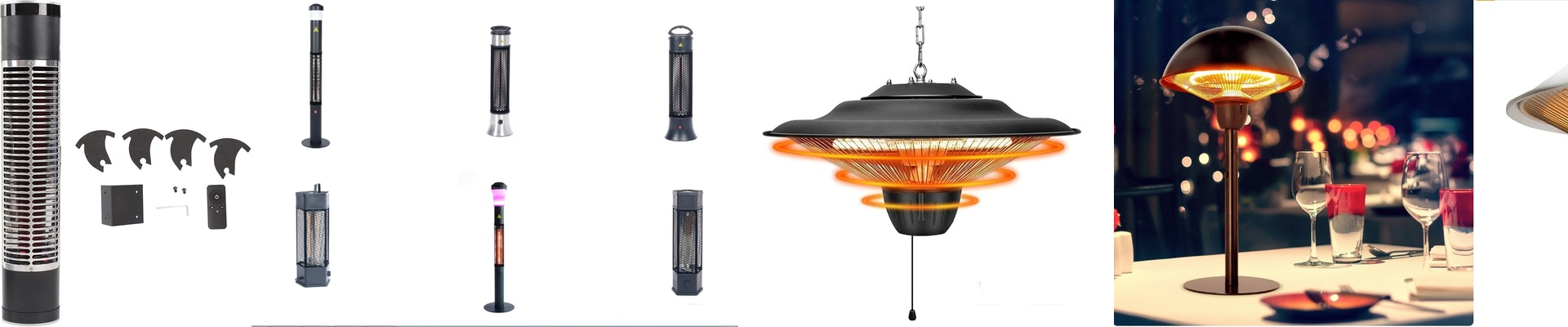
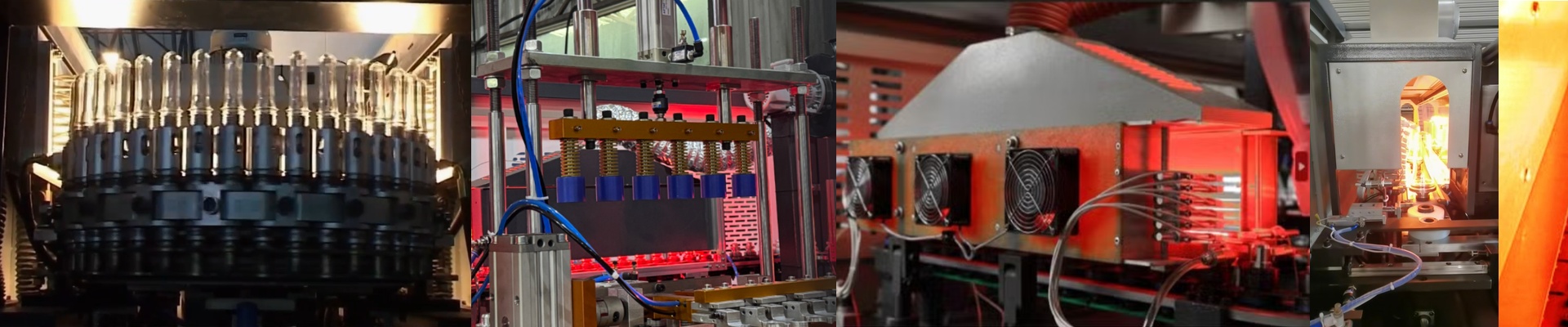
Circular radiant heaters use a high-output infrared element—usually quartz or short-wave—to deliver energy straight to the product surface, not the air. In a deck oven, that keeps the stone hearth stable while top heat penetrates evenly. You get a fast warm-up, often in minutes, and steady output even when the deck is loaded. Specs that matter in the real world include watt density matched to the baking chamber size, a focused radiant pattern that covers the full deck width, and terminal connections built to survive repeated thermal cycling. The response is quick, so you can hold a set point without a long overshoot.
Why this shines on the line
For pizza, the circular pattern helps the crust blister and char where you want it, while the center cooks through without scorching. In bread and pastry, the radiant top heat gives you clean caramelization and a controlled rise across full trays. For holding, the heater maintains temperature without drying surfaces, keeping fried items crisp and sauces at service temperature. The payoff is shorter bake windows, fewer reworked orders, and less wasted energy per cycle.
The practical details
Installation is straightforward, but clearance matters. Keep the element at the recommended distance from the product, and don’t let it contact pans or racks. These heaters perform best in ovens with reflective interior surfaces and adequate ventilation; otherwise, heat can bounce around unevenly. Match voltage and mounting to your oven model, and plan for easy access when you need to clean buildup off the housing and terminals.