Introduction
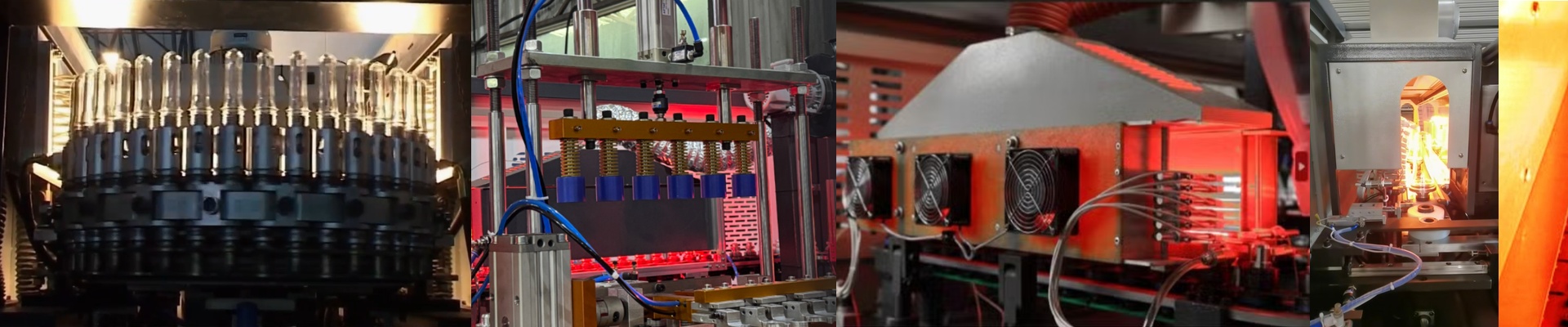
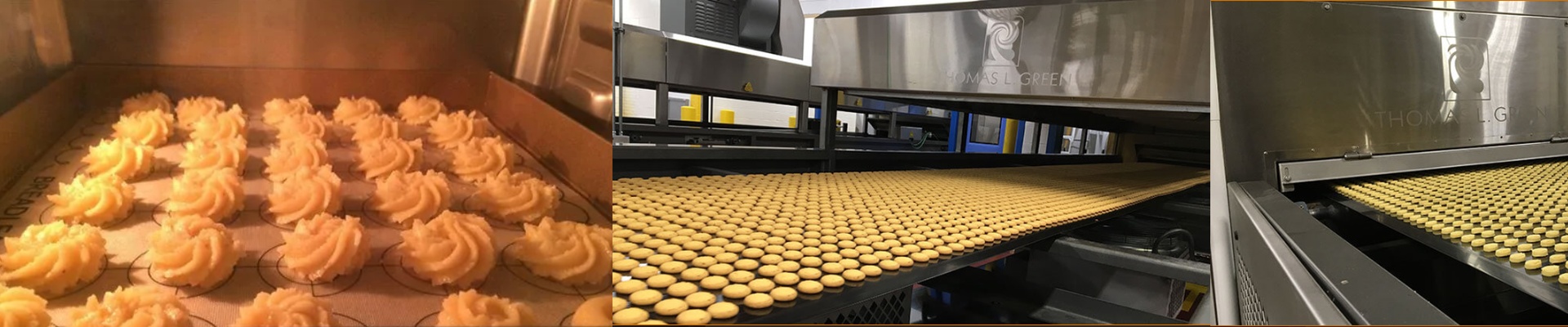
We built these radiant heaters for one reason: they have to keep up with the pace of a busy pizza oven. You need heat, and you need it instantly. No waiting around. No wasted energy. Just intense, controllable heat right when you need it.
The Secret Sauce: How They Get Hot So Fast
Here’s the thing—when we say “fast response,” we’re not just throwing around marketing words. It’s physics. Old-school heating elements have to warm up a bunch of metal first. That takes time. Our radiant heaters skip all that. They use direct infrared to hit the pizza stone or deck directly, not the air around it. That’s why your preheat time drops through the floor. It’s fast. Really fast. And to make that happen, we spec the units with serious power. High wattage, high voltage—it’s all about delivering the heat density needed to hit target temps in seconds. So when you open the oven door and the heat drops, you get it back immediately.
Built to Take the Heat
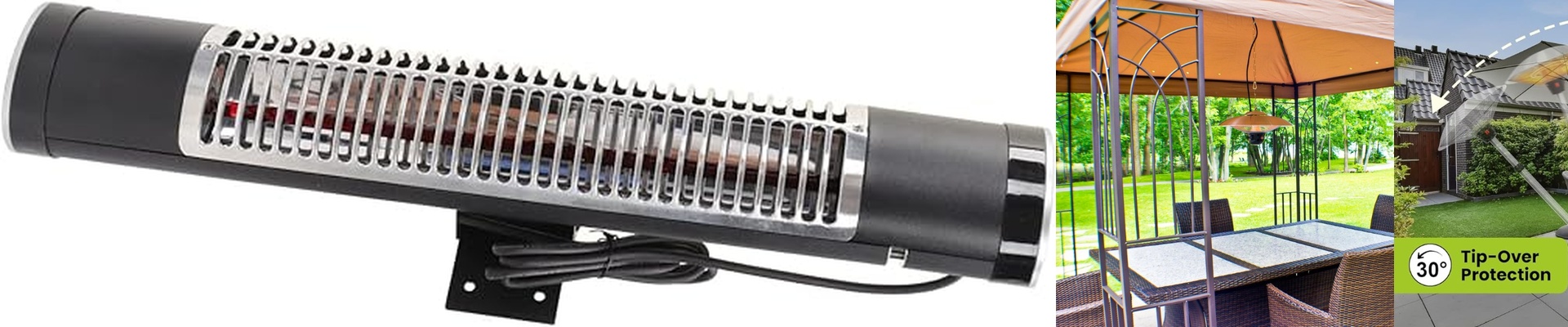
Inside, you’ve got a quartz envelope holding a halogen element. Quartz is tough—it can handle the kind of shock that would crack other materials, like going from room temperature to 500°C in a matter of minutes. And the halogen element? It stays consistent. No fading output over time like those cheaper coils that burn out. The R7s connector isn’t there by accident. It’s a heavy-duty, high-temp connection that handles the current draw without blinking. And it’s a straight swap for most commercial ovens. Wire it up, and it just keeps performing, shift after shift.
The Real Win: Control That Saves You Money
The energy savings don’t come from some fancy, mysterious part. They come from control. Because the heater hits temperature in seconds, your oven control can run shorter burn cycles. No need to keep a huge chunk of thermal mass screaming hot between pizzas. The system can idle at a lower temp and then jump to full power the moment you need it. That cuts down on standby losses big time. Now, there’s a trade-off. That kind of heat density means you need proper cooling and ventilation. But get that right, and what you end up with is an oven that’s responsive, efficient, and only uses power when it’s actually cooking.