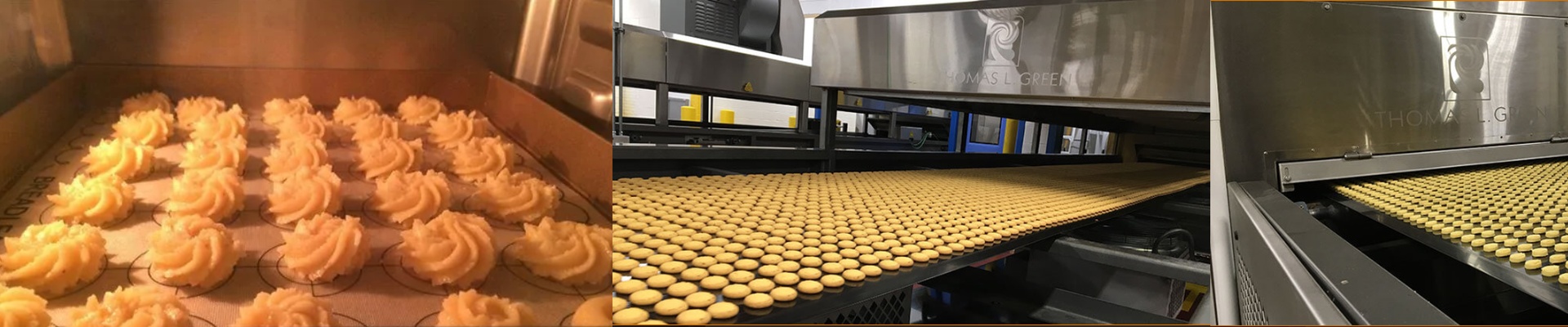
Getting Your Bakery Oven to React in Seconds
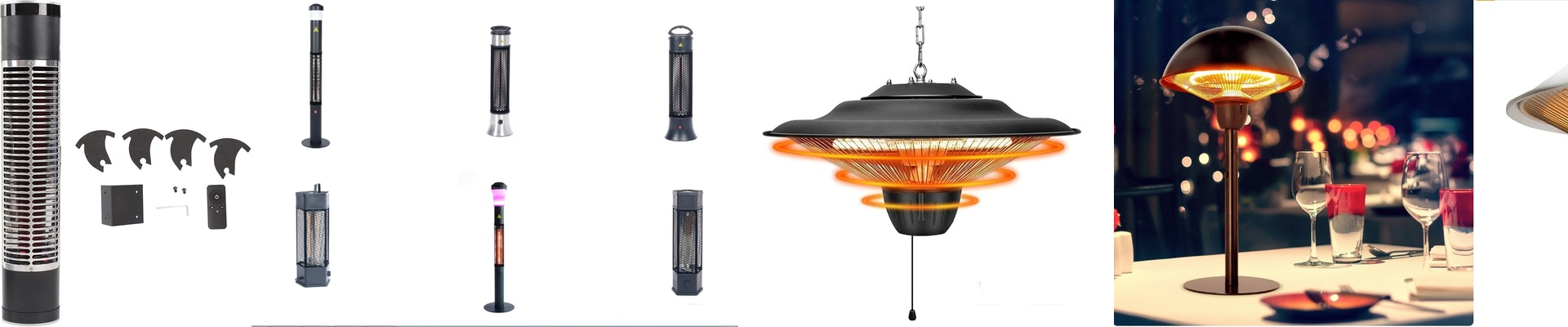
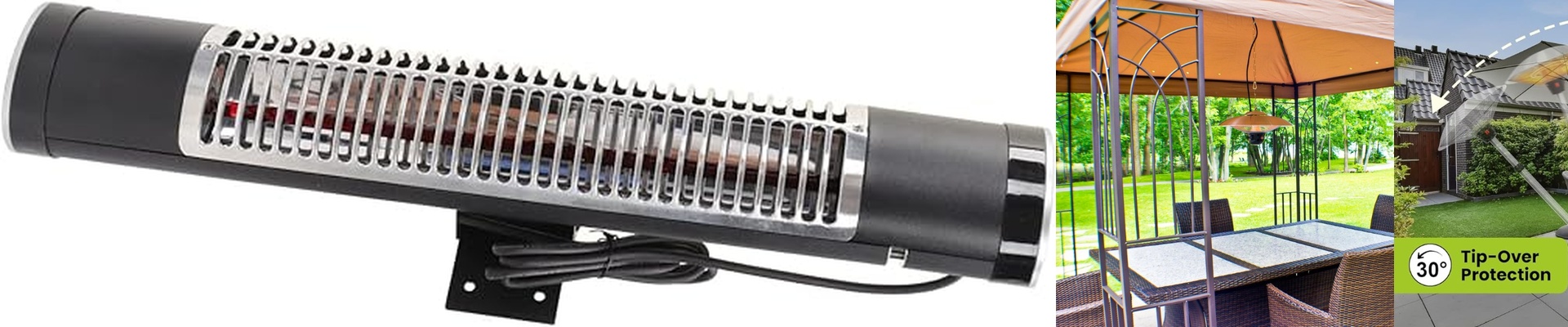
If you’ve ever run a commercial bakery, you know the struggle. You need that perfect crust or a quick blast of heat to fix a temperature dip, but most heaters are too slow. They lag. By the time the heat actually hits the bread, the window of perfection has already closed. We built our infrared lamps to fix that. They hit your target temperature in seconds, even if your PLC is flicking them on and off like a light switch. How it actually works Most heaters try to warm up the air first. That’s a waste of time. We use short-wave infrared technology, which means the heat ignores the air and goes straight for the product. The secret is in the materials—high-purity quartz and a tungsten filament. Because the filament has very little “weight” to it (low thermal mass), it doesn’t need time to warm up. It’s just on. When you wire these into a high-frequency circuit, the lamp never really has a chance to cool down between cycles. It stays primed. The result? A response time that’s tight and immediate. Built to take a beating Here’s the thing: constant cycling usually kills cheap lamps. The metal expands, shrinks, and eventually just snaps. It’s a nightmare when a lamp pops in the middle of a heavy shift. We stopped that from happening by tweaking the filament tension and the gas fill inside the tube. It keeps the filament from sagging or getting brittle, no matter how hard you push it. Plus, we use industrial-grade connectors. There’s nothing worse than a loose connection causing a spark or overheating at the terminal right when you’re at peak production. These stay tight. A few things to watch out for Now, this kind of heat is aggressive. It’s powerful stuff. Because the radiation is so intense, it can actually melt nearby plastic parts or fry your wiring insulation if you aren’t careful. You’ll want to be smart about your shielding. Distance is also a big deal. Mount them too close, and you’re going to scorch your product. Too far, and you lose that “instant hit” we’re talking about. One last tip: make sure your PID settings match the speed of the lamp. If you don’t, you’ll likely overshoot your temperature and end up with burnt edges.