Dealing with Heat Fluctuations in SIPA Rotary Machines
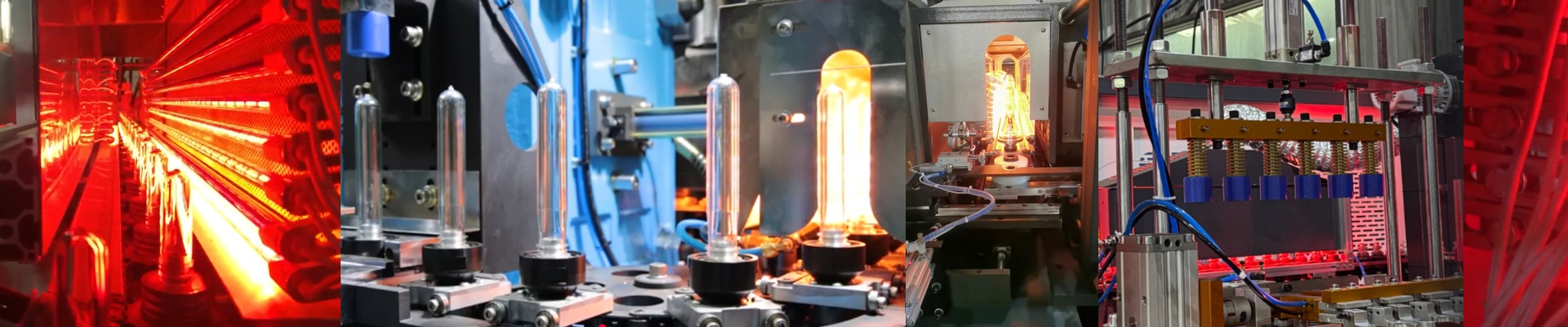
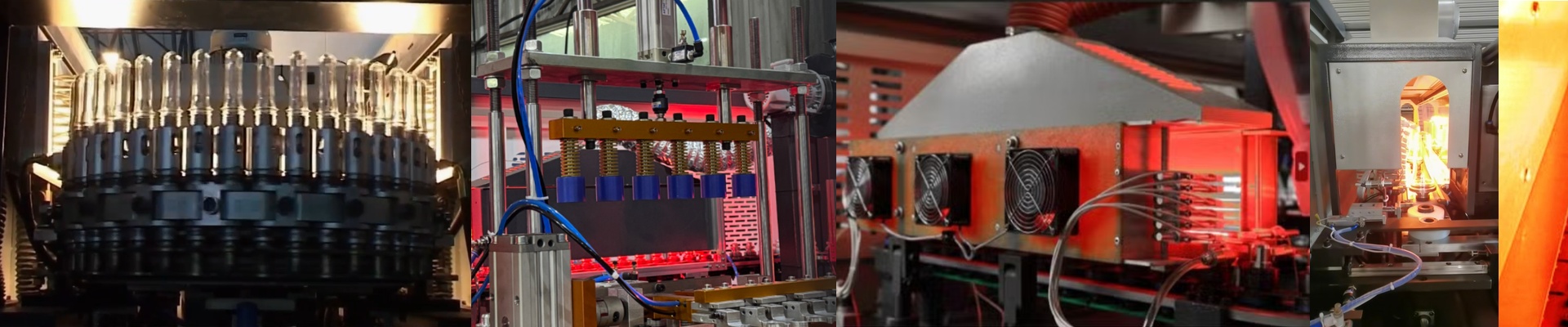
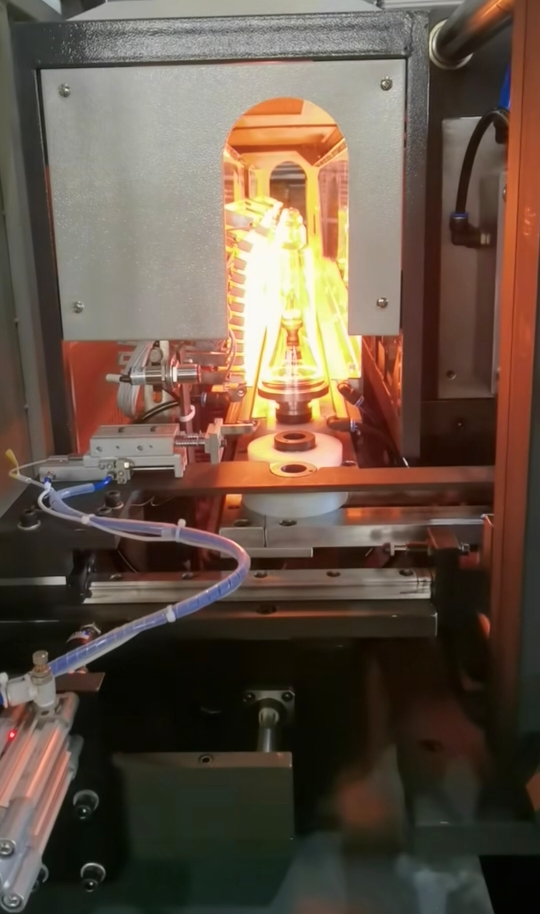
Ever deal with those annoying wall thickness variations or bottles that just burst for no apparent reason? Usually, it comes down to inconsistent heat. Here’s where most people trip up: they swap out their OEM lamps for generic replacements and assume they’re all the same. They aren’t. Even a tiny 5% difference in wattage across your heating oven creates “cold spots.” That’s all it takes to ruin your preform profile and waste a whole batch of plastic. Getting the power right We build our replacement lamps to hit the exact voltage and wattage specs of the SIPA originals. It’s a balancing act. If your machine needs 2500W and you drop in a lamp that draws less, your PET stays under-heated. But if you go too high? You’ll burn through the filament way too fast. We keep the tolerances tight so the IR output stays steady across every single lamp in the bank. No surprises. The nuts and bolts We use high-purity quartz glass because these things take a beating with rapid thermal cycling. They need to be tough. We also stick with shortwave infrared technology. This means the heat actually sinks into the PET wall quickly instead of just scorching the surface. As for the installation, they use standard R7s or Sk15 connectors. You just pop them in. No rewiring, no messing with the sockets, no headaches. Real talk from the shop floor Now, getting the power matched is only half the battle. You’ve got to keep your reflectors clean. I’ve seen plenty of people buy high-end lamps only to realize their oxidized reflectors are absorbing 20% of the energy before it even hits the bottle. A great lamp can’t fix a dirty mirror. And one last thing: high-wattage tubes get hot. Really hot. If you’re pushing your cycle times to the limit, double-check your oven cooling fans. If they’re clogged with dust and debris, the housing will overheat and your filaments will die early. Keep them clear, and your lamps will last a lot longer.