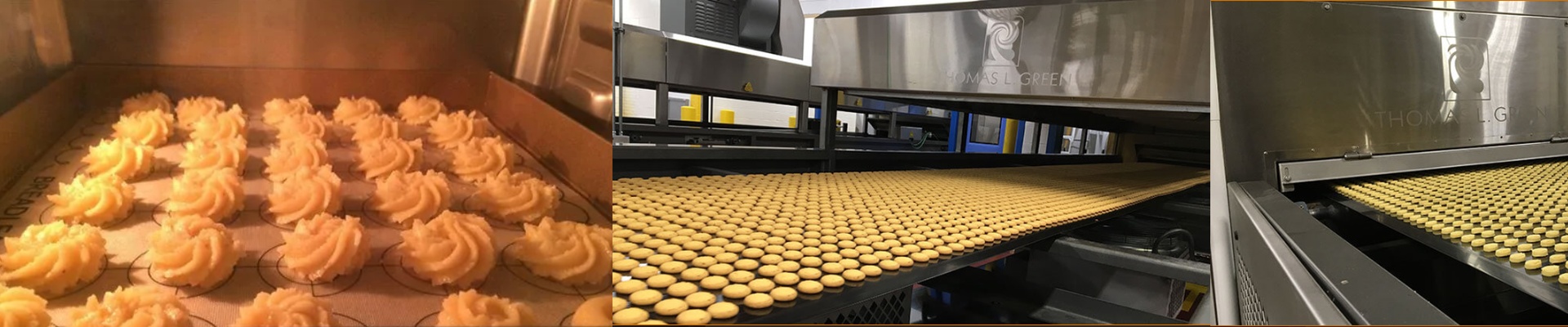
Getting Your Deck Oven Heat Just Right
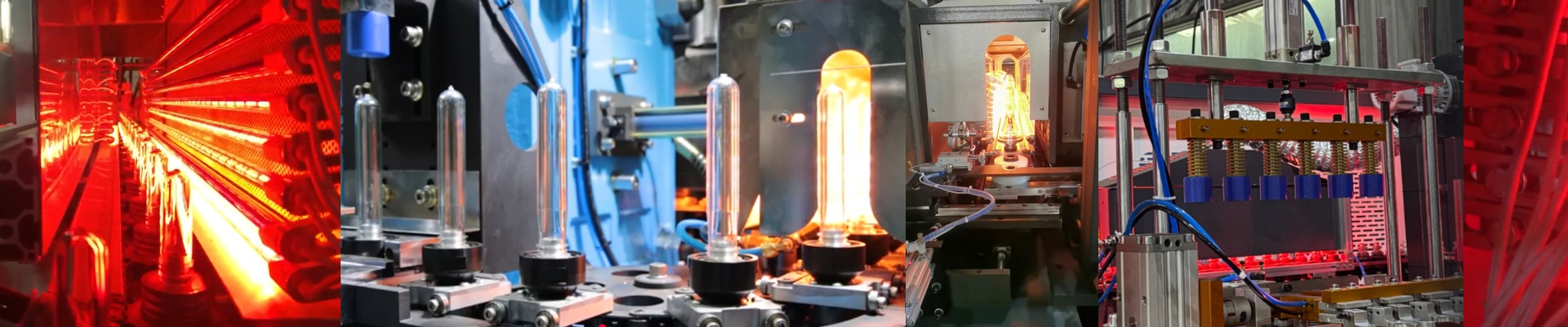
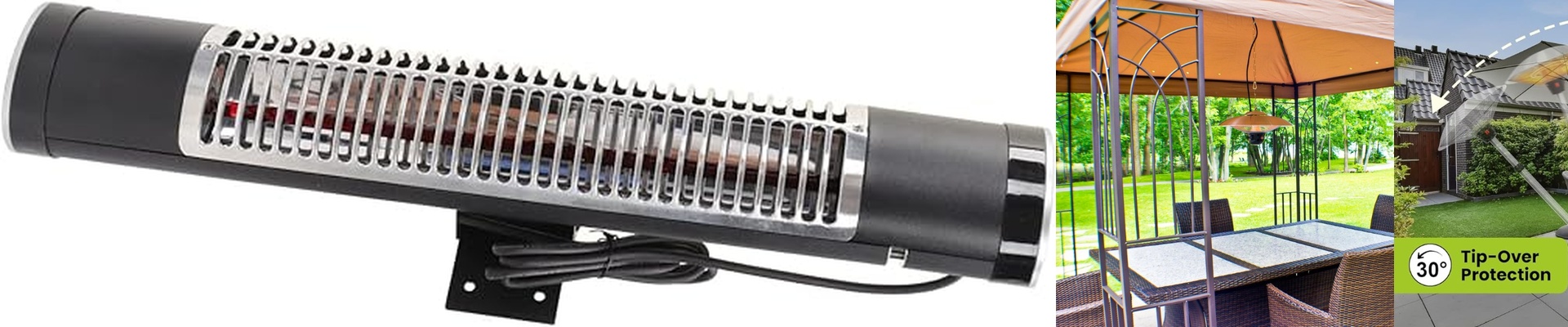
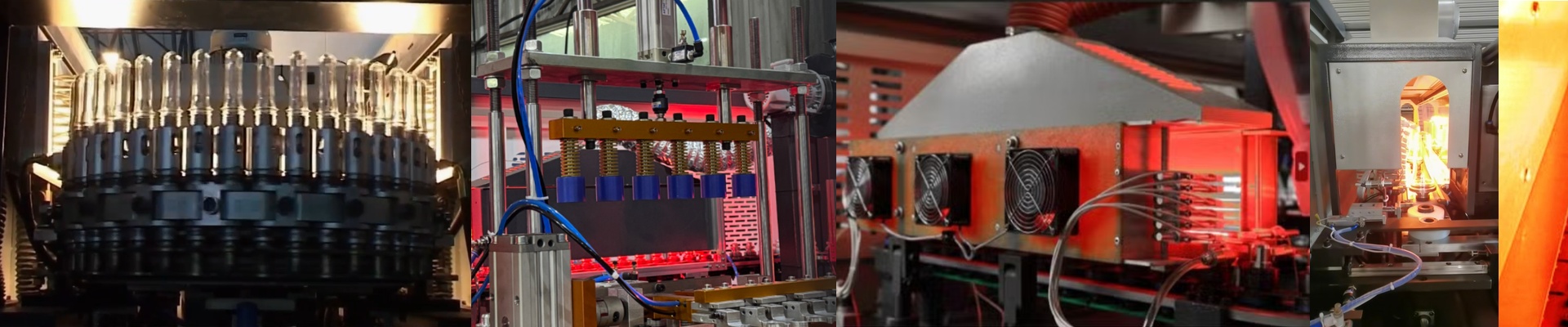
If you’re building a smart kitchen, you know the struggle. You’ve got all these fancy sensors telling you exactly what the temperature is, but your heating elements? They’re slow. By the time a standard coil catches up to the data, you’ve already missed your window. That’s why we use quartz infrared tubes. Instead of waiting around for the air to warm up, these tubes blast direct radiant heat. It’s instant. You hit your target temp and stay there. No lagging, no guessing.
Why Quartz?
We use high-purity fused quartz because it can take a beating—thermally speaking. It handles those wild temperature swings without cracking and lets the heat pass right through without wasting energy. Now, here is the trick: we can tweak the wattage and voltage to get the exact heat density you’re looking for. If you want a heavy, aggressive sear, go for high wattage. Just a heads-up, though—make sure your power supply can handle it. You don’t want to be tripping breakers right in the middle of a rush.
Making It Fit
Every oven is different. We aren’t into “one size fits all” here. We’ll customize the length and the connectors so the tubes just drop right in. Whether you need an R7s base or a specific lead wire, we make sure the connection is tight. Why? Because a loose fit creates hotspots, and hotspots burn out your terminals. It’s a headache you just don’t need. Depending on what you’re cooking—maybe you’re focused on a crispy crust or perfectly melted cheese—we can even add special coatings to shift how the heat hits the food.
The Honest Truth
Look, precision isn’t free. Quartz is brittle. It’s not like a steel element that you can just knock around. If your oven frame shifts or a tech bumps a tube while cleaning, it’s going to snap. You’ve got to be careful. Give them plenty of breathing room and use vibration dampening during install. But if you do it right? Pair these with a PID controller and the right sensor placement (just make sure the sensor isn’t staring directly at the tube), and you’ll get stability within ±1°C. That’s the kind of consistency that makes a kitchen actually run smoothly.