
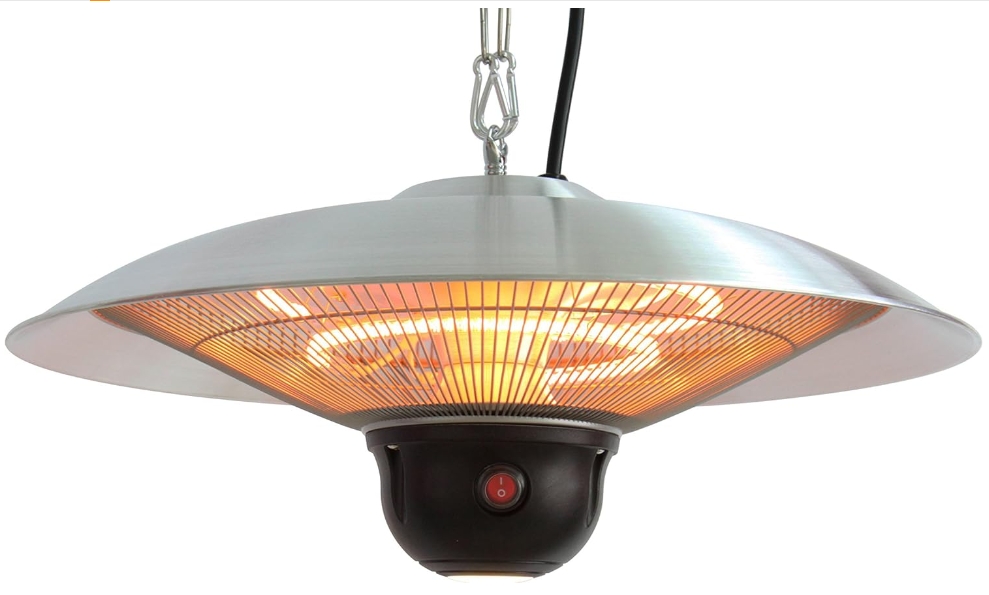
Making High-Ceiling Infrared Heaters Actually Smart
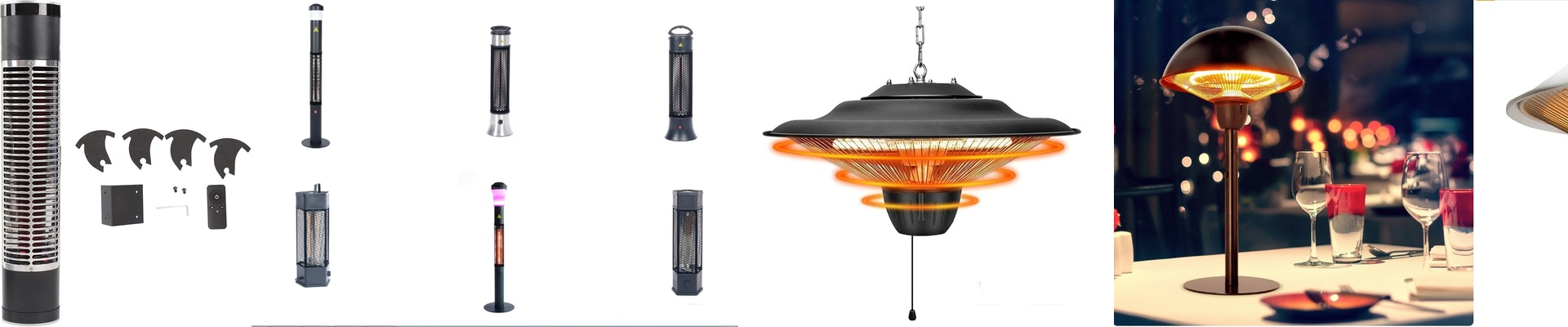
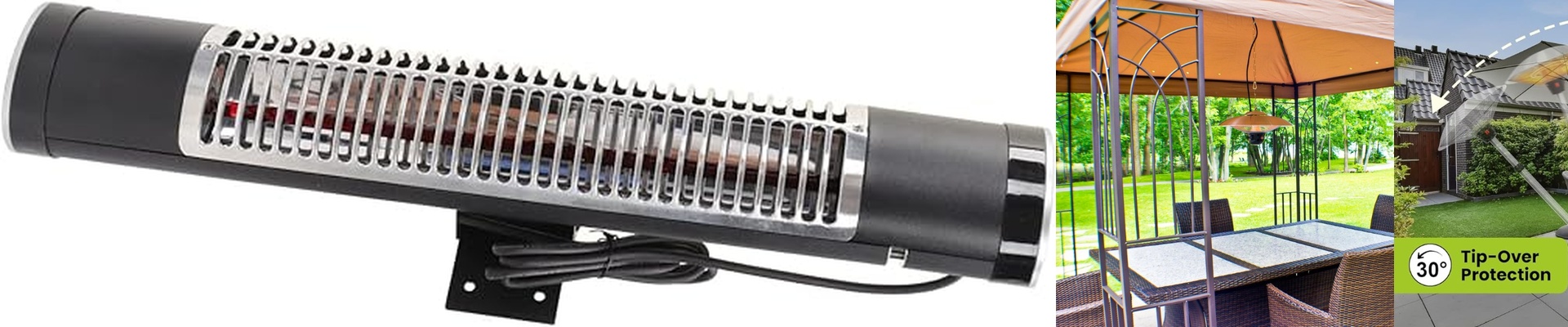
If you’ve ever tried to heat a room with massive ceilings, you know the struggle. You crank up the heat, but all that warmth just floats up to the ceiling where it does absolutely nothing for you. It’s a waste of money and you’re still shivering. That’s where infrared heaters come in. Instead of trying to warm up every cubic inch of air, these things beam heat straight down to you. It feels like stepping into a patch of sunlight on a cold day. Fast and direct.
Getting the “Smart” Part Right
The goal is to get that “instant spring” feeling the second you walk into the room. To do that, we hook the heaters up to a smart hub using things like Zigbee, Matter, or simple Wi-Fi relays. But here is the trick: don’t put your temperature sensor on the ceiling. That’s useless. Put it where you actually stand. When the sensor feels a chill, it tells the relay to kick the heater on. Since infrared lamps heat up in seconds, there’s basically no waiting around. You tap an app or tell your voice assistant to turn it on, and you feel the warmth almost immediately.
The Boring (but Important) Electrical Stuff
Before you start buying gear, take a look at your electrical panel. These heaters pull a lot of power. Please, don’t just plug these into a cheap smart plug. You’ll likely fry the relay. Instead, use a heavy-duty contactor. Think of it as a middleman: the smart switch tells the contactor to flip, and the contactor handles the heavy lifting of the electricity. It’s much safer. You also have to think about height. A heater hanging 6 meters up needs a lot more punch than one at 3 meters to feel the same on the floor. Just be careful not to overdo the wattage, or you’ll end up baking whoever is standing directly underneath it.
Real-World Tips
One thing people always miss is the “dead zone.” If you just put one lamp in the middle of the room, you’ll have cold spots everywhere. You want those heat cones to overlap a bit so the warmth is even. Once you’ve got your smart logic dialed in, the system can manage how often the heaters click on and off. This stops them from flickering constantly and helps the lamps last a lot longer.