
Stop the Glare: Making Ceiling Heaters Actually Comfortable
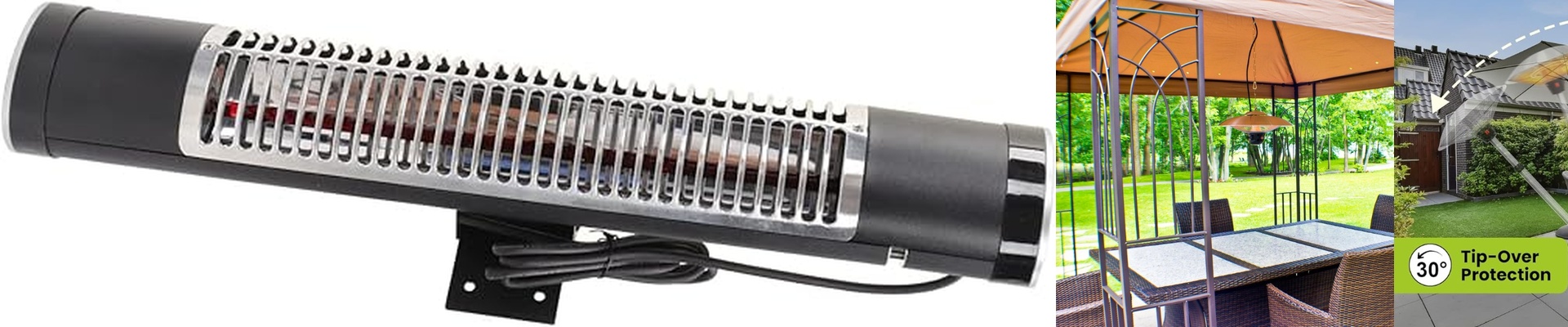
We all love that instant hit of warmth from an infrared heater. But there’s a catch. If you’ve ever stood under one in a bathroom or a nursery, you know that harsh, blinding light. It’s a bit much, right? Especially for a baby who’s just lying there looking up. It’s not just annoying—it’s a strain on the eyes. So, we decided to stop chasing raw power and start focusing on the light itself.
Keeping it easy on the eyes
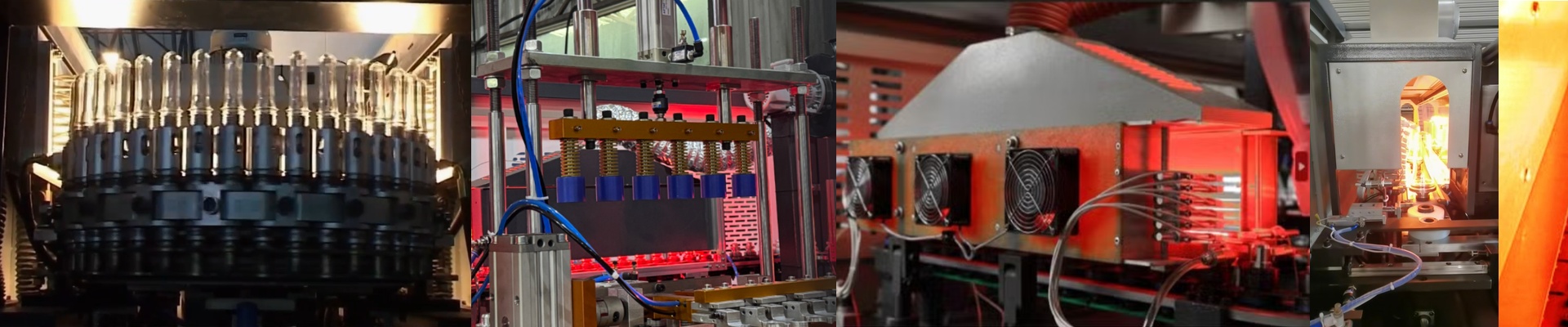
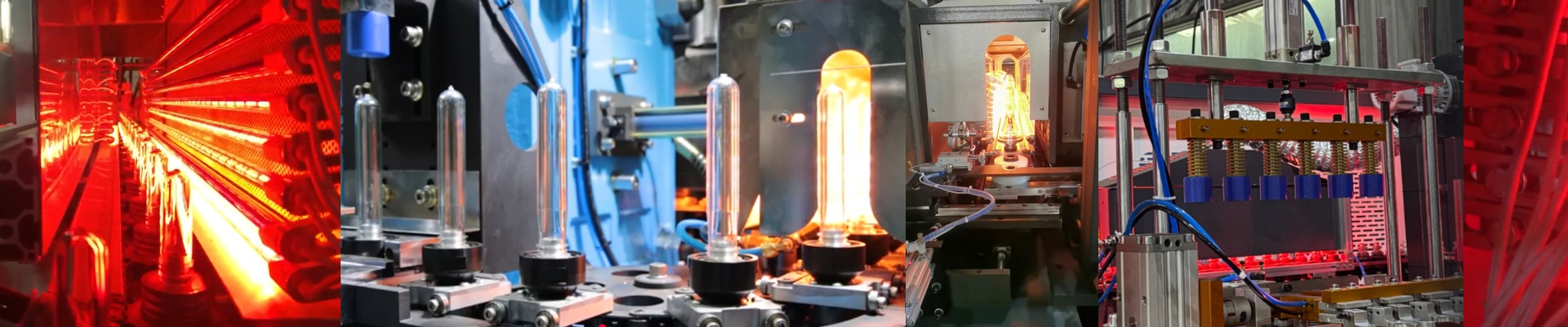
Most industrial lamps use these high-wattage tungsten filaments. They’re great for heat, but they throw off a ton of visible light and UV rays. Not exactly what you want in a bedroom. To fix this, we use quartz envelopes with special coatings. Think of them as a filter. They catch the high-energy blue light and UV rays before they leave the lamp, but they let the cozy, long-wave infrared heat slide right through. The result? A soft, subtle glow. You get all the warmth without feeling like you’re standing under a stadium spotlight.
The trade-off
Here is the tricky part. To get that softer light, we tune the filament temperature. By lowering the color temperature, we push the energy away from the visible range and deeper into the infrared spectrum. But physics has a price. When you filter out that light, you lose a little bit of thermal efficiency. It’s a trade-off. To keep the room just as warm, we might need to bump up the wattage or add a couple more tubes. It’s a small price to pay for not blinding your customers.
A few tips for the install
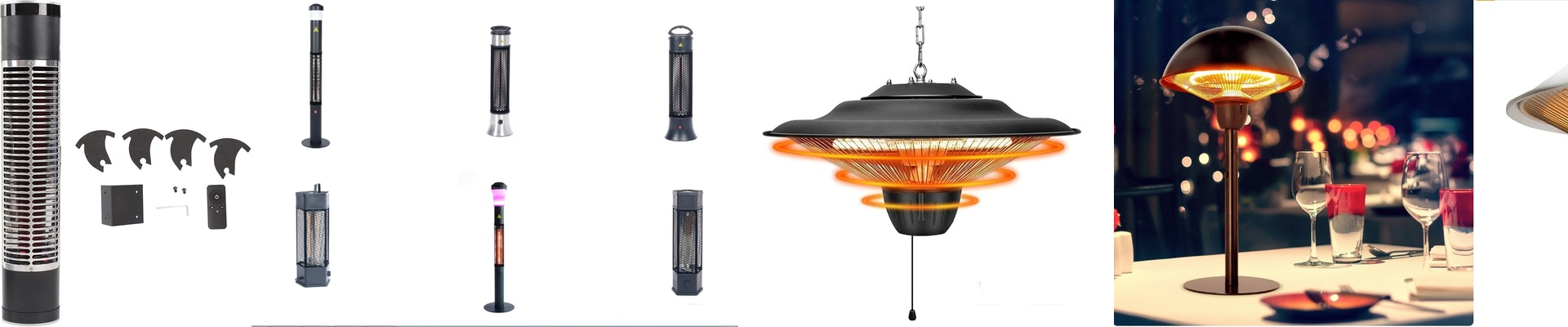
If you’re putting these into a ceiling grid, pay attention to the reflectors. Avoid polished chrome. It looks fancy, but it creates these concentrated “hot spots” of light that basically defeat the purpose of the filter. Go with a matte finish instead. It spreads the light and heat much more evenly. And please, give the user a dimmer. Every room is different, and some people are more sensitive to light than others. Letting them dial in the intensity makes the whole experience feel way more premium.