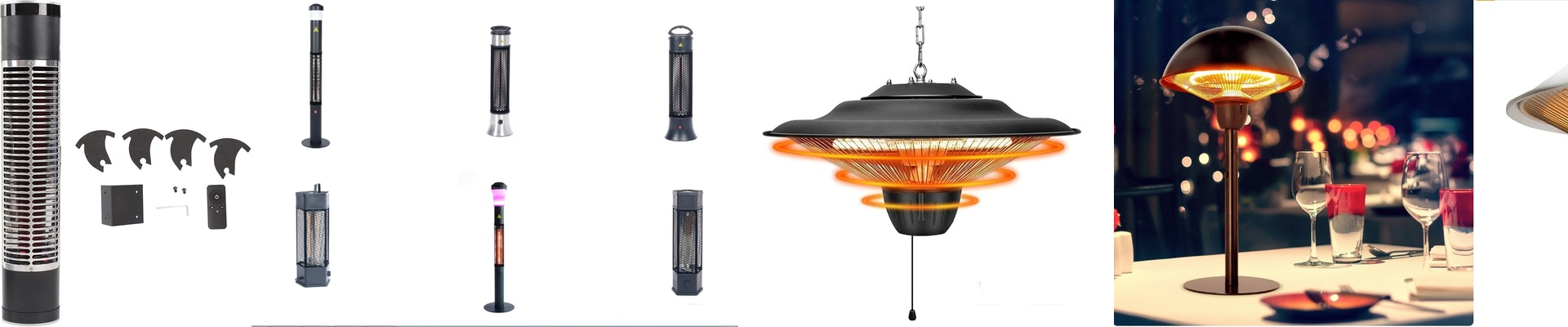

Why Ceiling-Mounted Infrared Heaters Actually Work
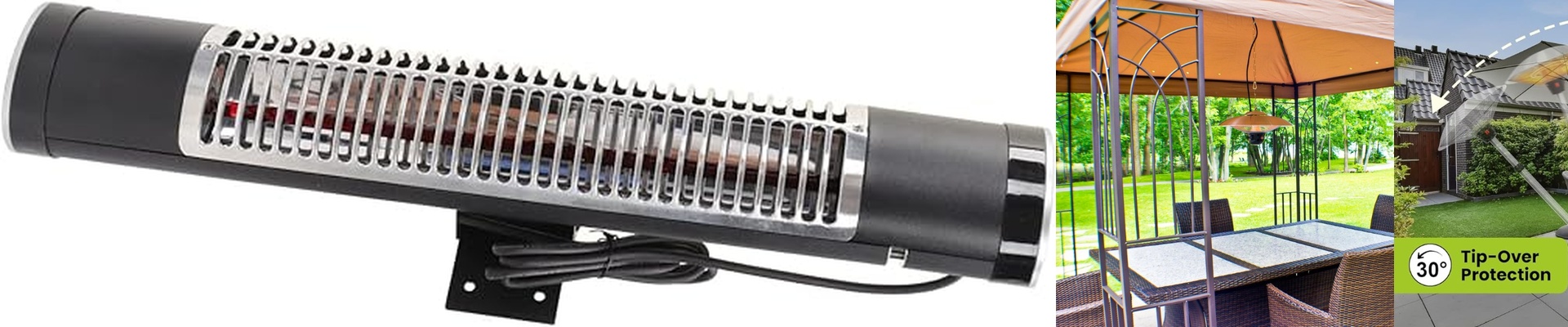
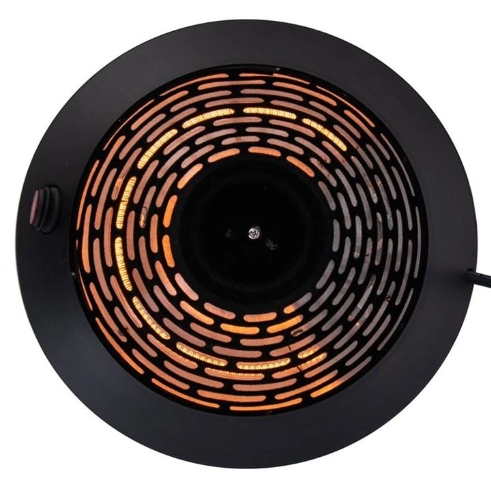
Let’s be honest: heating a massive workshop changing area with standard heaters is a waste of money. You spend all that energy warming up the air, only for it to float straight up to the ceiling where it does absolutely nothing for the people on the floor. We do things differently. Our infrared heaters don’t bother with the air. Instead, they send heat directly to the people and the surfaces they’re touching. It’s why you feel that cozy warmth the second you step under one, even if the rest of the room still feels a bit chilly. The secret is in the “beam” Think of it like sunlight. When you step into a patch of sun on a cold day, you feel the heat instantly. That’s exactly how these units work. They send out waves that turn into heat the moment they hit something—like a worker or a workbench. Because we design these for high ceilings, we make sure the heat spreads out wide. No one likes those annoying “cold spots” where you’re shivering just because you moved two feet to the left. And the best part? Drafts don’t matter. If a door opens and a gust of wind hits the room, the heat keeps traveling in a straight line right to you. Getting them set up We usually mount these flush against the ceiling or hang them down to cover as much ground as possible. We use powder-coated steel for the housing because, let’s face it, changing areas can get humid, and nobody wants their heaters rusting out. One quick heads-up on the electrics: these things pack a punch. Because they move so much heat per square meter, they need their own dedicated circuits. You’ll want to make sure your breakers can handle that initial surge when you flip the switch. The trade-offs Here is the catch: radiant heat is directional. If a worker ducks behind a locker or a tall partition, they’re suddenly in the shade, so to speak, and the warmth disappears. To fix that, we overlap the heating zones. It does mean you’ll be drawing more power, but it kills those thermal gaps. It’s all about finding that sweet spot between having a perfectly warm room and not tripping your main electrical panel.