Why Your Steam Oven Needs Ceramic Heating Elements
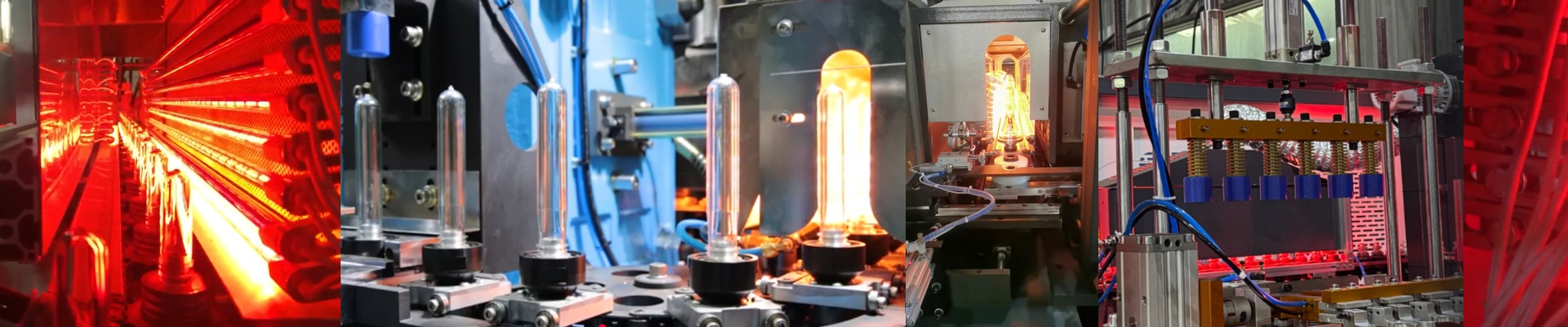
Ever pulled a tray out of the oven only to find one side burnt and the other side barely warm? It’s frustrating. Most of the time, it comes down to how the oven handles heat. In our steam ovens, we use nichrome wire tucked inside ceramic housings. It’s a simple setup, but it’s what keeps your temperature steady instead of jumping all over the place like cheap heating elements do.
The secret sauce: Nichrome and Ceramic
We go with nichrome (a nickel-chromium alloy) because it’s a workhorse. When it gets hot, it forms a stable oxide layer that keeps the wire from just burning out after a few uses. But the real magic happens when you wrap that wire in ceramic. Think of the ceramic as a thermal battery. It doesn’t just sit there; it grabs the heat and spreads it out evenly across the surface. No more “hot spots” scorching your food or messing up your steam.
Why you should care about precision
If you’re new to this, you might notice your bakes failing because the oven temperature is swinging 10 or 20 degrees. That’s a killer. When you pair a ceramic heater with a PID controller, that swing basically disappears. The ceramic slows the heat response down just a bit, which stops the system from “hunting” for the right temperature. You get a smooth, flat line. It just works.
The trade-off
Now, there is a catch. These heaters take longer to warm up than a quartz lamp or a halogen bulb. You aren’t getting “instant-on” heat here. If you need a rapid flash of heat, this isn’t your tool. You’re trading raw speed for rock-solid stability.
A few tips for the setup
When you’re wiring things up, be careful where you put your sensors. Put them in the center of the oven cavity. If you put the probe too close to the ceramic block, the controller will think the oven is hot enough and shut off the heat way too early. You’ll end up with edges that are totally undercooked. Also, make sure your wattage matches the size of your oven. You don’t want to push your power supply to the breaking point.