Why Infrared Lamps are a Lifesaver for Bread Baking
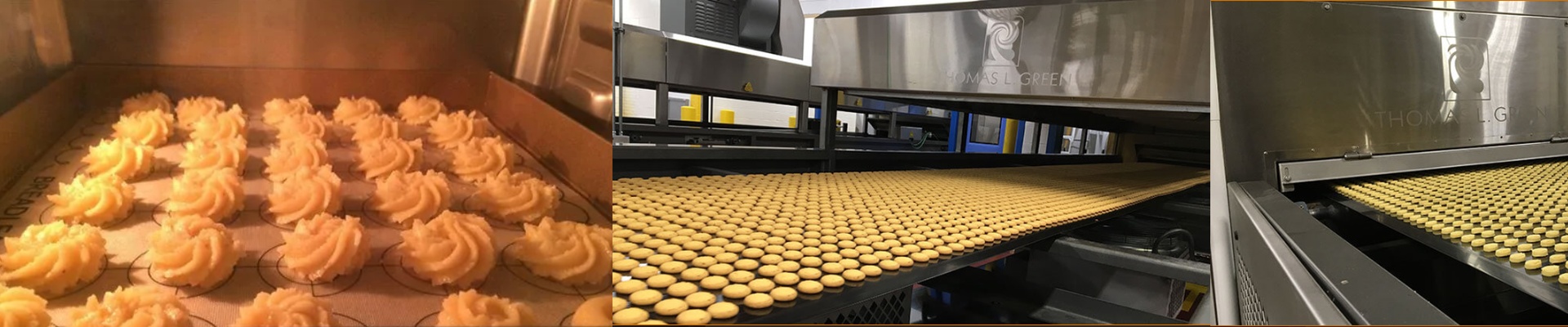
In a commercial bakery, the gap between a golden-brown crust and a charcoal brick is tiny. We’re talking about a few seconds. The problem with old-school heating elements is that they’re stubborn. Even after you flip the switch off, they stay hot for a long time. It’s like trying to stop a freight train—it just keeps rolling. That’s where short-wave infrared bulbs come in. They don’t linger. The second you cut the power, the heat stops. Period.
Stopping the “Overshoot”
Most heaters just warm up the air, and then the air warms the bread. It’s slow. Infrared is different because it beams energy straight into the loaf. Since the bulbs are made of lightweight quartz, they don’t store heat. This is huge. It means you don’t get that annoying 5-10 degree swing where the oven keeps getting hotter even after the controller tells it to stop. You hit your target temperature, and you stay there.
The Hardware Side of Things
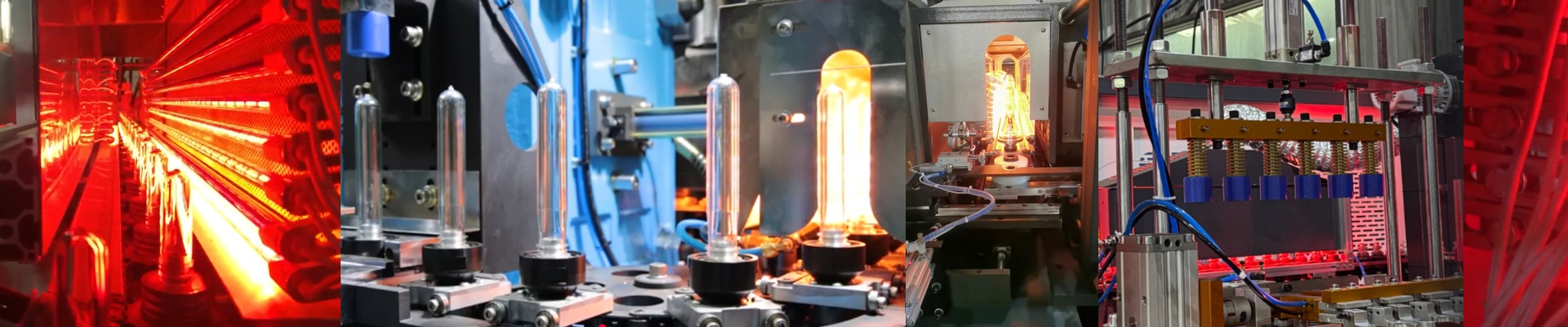
We usually go with high-purity quartz. It just lets more of that IR energy through. Depending on how big your oven is, you’ll play around with wattage and voltage to get the heat density just right. But here’s a heads-up: high-wattage bulbs are great for fast browning, but they’re demanding. If you’re pushing 2000W or more through a single tube,**check your sockets.**If they aren’t rated for that kind of heat, the plastic housings will warp or even melt. Not a great look.
Making it Work on the Floor
The best part? You can actually zone your oven. You can blast the top of the bread to get that perfect color while keeping the bottom steady. It’s a pretty easy swap for slower systems, but you do need to tweak your PID controllers. Because these bulbs react so fast, a slow controller will cause the temperature to bounce up and down. Just tighten up those loops, and you’re golden.